

How to Finance a Bathroom Remodel for Your Dream Space involves exploring options like a home equity line of credit, which can provide access to up to 85% of your home’s equity. This approach not only allows for greater flexibility in budgeting your renovation but also ensures increased comfort, functionality, and a significant boost to your property's value.
In this comprehensive guide, we’ll break down strategic and effective methods to finance a bathroom remodel, providing you with the tools and knowledge to take the next step with confidence.
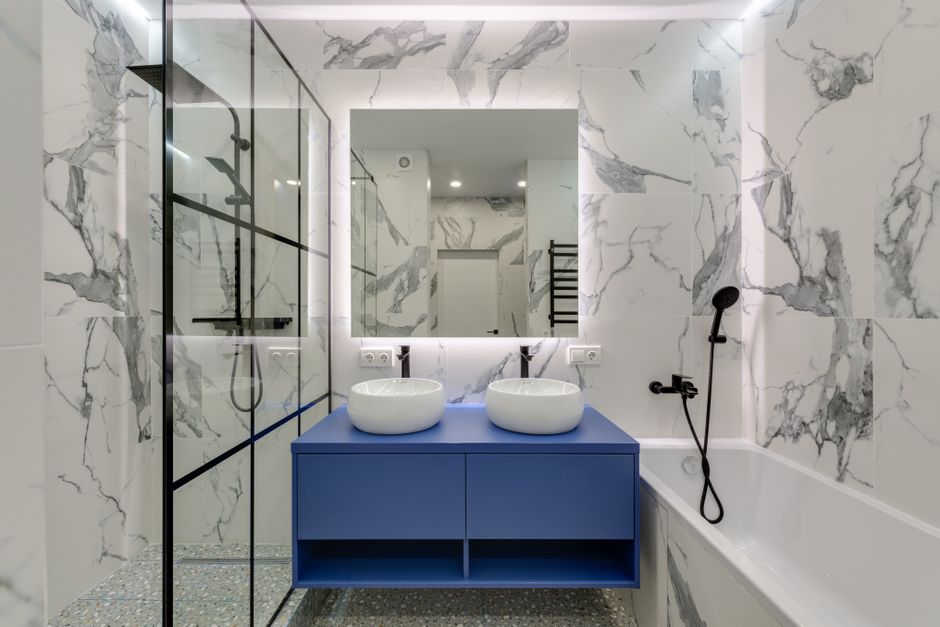
Assess the Total Cost of Your Bathroom Remodel
Before exploring financing options, it is essential to estimate the complete cost of your remodel. A minor update may cost around $3,000 to $7,000, while a full renovation with luxury finishes can exceed $25,000. Key cost elements include:
Plumbing and Electrical Upgrades
Fixtures (bathtub, toilet, sink, faucets)
Vanity and Cabinetry
Tile Work and Flooring
Paint and Lighting
Labor Costs
Getting multiple contractor quotes and itemizing each expense helps determine the budget and the financing amount required.
Explore Your Financing Options
1. Home Equity Loans
A home equity loan allows you to borrow a lump sum against the equity in your home. It typically offers:
Fixed interest rates
Predictable monthly payments
Longer repayment terms (5 to 30 years)
This is ideal for large-scale remodels where a clear budget has already been established.
2. Home Equity Line of Credit (HELOC)
Unlike a home equity loan, a HELOC is a revolving line of credit that works similarly to a credit card. You can borrow what you need when you need it during the draw period, then repay over time. Advantages include:
Lower interest rates
Flexible access to funds
Interest-only payments during the draw period
HELOCs are best for ongoing renovations where costs may change.
3. Personal Loans
Unsecured personal loans do not require home equity and are suitable for those who prefer not to use their property as collateral. They typically offer:
Quick approval times
Fixed rates and terms
Loan amounts ranging from $1,000 to $50,000
However, interest rates may be higher compared to secured loans, depending on your credit score.
4. Credit Cards with 0% APR Promotions
For smaller remodeling projects, credit cards with introductory 0% APR can be a savvy option. Benefits include:
No interest for 6–18 months
Flexible monthly payments
No collateral required
Be sure to repay the balance before the promotional period ends to avoid high interest charges.
5. Government Loans and Grants
Explore government-sponsored programs such as:
FHA Title 1 Property Improvement Loans
HUD’s 203(k) Rehab Mortgage Insurance Program
Local or state-level home improvement grants
These programs are designed to support homeowners making necessary upgrades and are especially helpful for those with limited financial resources.
6. Cash-Out Refinance
A cash-out refinance replaces your existing mortgage with a new one for more than you owe and gives you the difference in cash. It is best suited for:
Large remodels
Homeowners with significant equity
Those who can secure lower mortgage interest rates
Keep in mind that this method resets your mortgage term and may incur closing costs.
7. Savings and Emergency Funds
If you’ve saved up enough, using your own funds avoids debt and interest payments. Tapping into:
Emergency savings
Home improvement savings
Tax refunds or bonuses
Determine Which Financing Method Is Right for You
Choosing the right financing strategy depends on several personal factors:
Credit score and history
Available home equity
Debt-to-income ratio
Project size and scope
Repayment preferences
Creating a detailed financial plan ensures the chosen option aligns with your long-term goals and won’t negatively affect your financial health.
Tips to Save Money on Your Bathroom Remodel
Prioritize Essential Upgrades
Focus on what truly needs updating—plumbing issues, ventilation, or outdated fixtures—before investing in luxury add-ons.
Reuse and Refurbish
Consider refinishing the bathtub, painting cabinets, or reusing hardware to cut costs without compromising aesthetics.
Shop Smart
Buy materials during sales, use rebates and coupons, and explore discount home improvement stores to maximize your budget.
Do It Yourself (DIY) When Possible
Basic tasks such as painting, demo work, or installing fixtures can be tackled on your own, saving significantly on labor.
Common Mistakes to Avoid When Financing a Bathroom Remodel
Borrowing more than you can afford: Overextending financially can lead to stress and default.
Ignoring your credit score: Lower scores result in higher interest rates and stricter loan terms.
Not comparing loan offers: Shop around to ensure you get the best rates and terms.
Underestimating total project costs: Always account for unexpected expenses and add a 10–20% buffer to your budget.
Long-Term Maintenance Costs
Your bathroom remodel will require upkeep to maintain its charm and functionality. Higher-end materials might look appealing but can come with costly maintenance. For instance, natural stone countertops may need sealing every year, while laminate surfaces generally only require a damp cloth.
Evaluate the long-term care for every fixture you choose. Ask suppliers about maintenance needs for each material. Creating a maintenance schedule will help prolong the life of your bathroom remodel.
Who Each Financing Option Suits
Not every financing option fits all situations. Home equity loans are ideal if you have substantial equity and prefer lower interest rates. HELOCs work well for projects spread out over time, as they offer flexibility to draw funds as needed.
In contrast, personal loans might suit those with minimal equity or poor credit. Always consider your financial situation before selecting a method. Analyze your monthly budget to determine what payment you can comfortably manage.
Worth reading alongside this: matte black bathroom faucets under.
Conclusion
Financing a bathroom remodel doesn’t have to be overwhelming. By carefully evaluating your budget, exploring all funding avenues, and choosing the right method for your financial situation, you can transform your bathroom into a modern, comfortable, and valuable space without unnecessary stress. Learn more about how to finance a bathroom remodel and explore your options.