
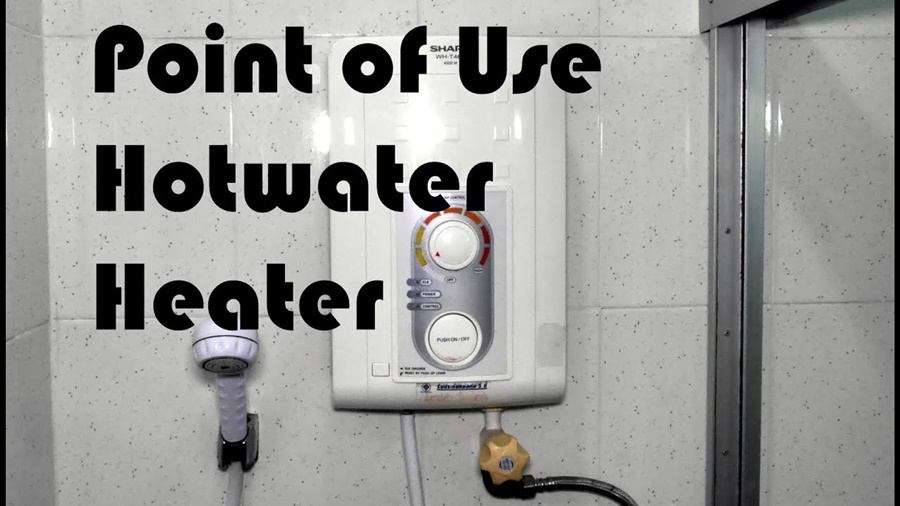
Two popular options available today are Point-of-Use (POU) Water Heaters and Whole-House Water Heaters. Hot water is an essential part of everyday life, whether for showering, washing dishes, doing laundry, or cleaning. Choosing the right water heating system can significantly impact energy efficiency, convenience, installation costs, and long-term operating expenses.
While both systems provide hot water, they operate differently and are designed to meet different household needs. Understanding their advantages, disadvantages, and ideal applications can help homeowners make an informed decision.
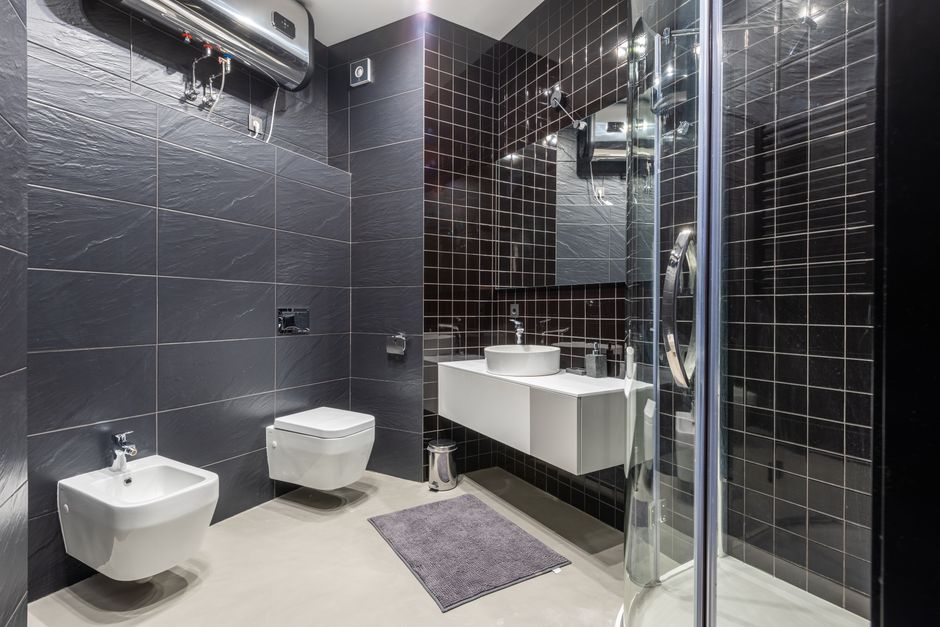
What Is a Point-of-Use Water Heater?
A Point-of-Use water heater is a compact unit installed close to the specific fixture or appliance that requires hot water. These heaters are typically located under sinks, near showers, or close to washing machines.
The primary purpose of a point-of-use system is to provide hot water instantly at the location where it is needed, reducing the wait time and minimizing heat loss through long pipe runs.
Common Types of Point-of-Use Water Heaters
- Mini-tank water heaters
- Tankless electric water heaters
- Small gas-powered units
- Under-sink water heaters
What Is a Whole-House Water Heater?
A Whole-House water heater is a centralized system that supplies hot water to every fixture and appliance in the home. The heater is usually installed in a utility room, basement, garage, or dedicated mechanical area.
This system heats water in one location and distributes it throughout the house through a network of pipes.
Common Types of Whole-House Water Heaters
- Conventional storage tank heaters
- Tankless water heaters
- Heat pump water heaters
- Solar water heating systems
- Gas-powered water heaters
Key Differences Between Point-of-Use and Whole-House Water Heaters
1. Installation Location
- Installed near the fixture it serves
- Requires minimal piping
- Suitable for isolated areas
- Installed in a central location
- Connected to the entire plumbing system
- Serves multiple fixtures simultaneously
2. Hot Water Delivery Speed
One of the biggest advantages of point-of-use systems is fast hot water delivery.
Because the heater is located close to the faucet or appliance, users experience little to no waiting time. This reduces water waste and improves convenience.
Whole-house systems may require users to wait for hot water to travel through long pipe runs, especially in larger homes.
3. Energy Efficiency
Point-of-use water heaters are often more energy-efficient for specific applications because they eliminate standby heat loss associated with long pipes and large storage tanks.
Whole-house systems can also be efficient, particularly modern tankless or heat pump models. However, energy losses may occur during water distribution.
4. Initial Cost
Point-of-use heaters generally have lower purchase and installation costs when serving a single location.
However, installing multiple point-of-use units throughout a home can become expensive.
Whole-house systems usually require a higher initial investment but can be more cost-effective when serving an entire household.
5. Maintenance Requirements
Point-of-use heaters are relatively easy to maintain due to their smaller size.
Whole-house systems require regular maintenance of the main unit and may involve more complex servicing, especially in larger systems.
Advantages of Point-of-Use Water Heaters
Instant Hot Water
Since the heater is located near the point of demand, hot water is available almost immediately.
Reduced Water Waste
Users do not need to let water run while waiting for it to heat up, which can save thousands of gallons annually.
Energy Savings
By heating only the water needed at a specific location, energy consumption can be reduced.
Easy Installation
Many compact models are easy to install under sinks or near appliances.
Ideal for Remote Areas
Perfect for garages, guest houses, workshops, home additions, and detached buildings where extending hot water lines would be costly.
Disadvantages of Point-of-Use Water Heaters
Limited Capacity
Most units are designed to serve one fixture or a small area.
Multiple Units May Be Required
Larger homes often need several units to provide complete coverage.
Higher Total Cost for Large Homes
Purchasing and maintaining multiple heaters can become more expensive than a single centralized system.
Advantages of Whole-House Water Heaters
Supplies Entire Home
A single unit can provide hot water to multiple bathrooms, kitchens, and laundry rooms.
Centralized Maintenance
Homeowners only need to maintain one primary system.
Greater Capacity
Designed to meet the hot water demands of larger families and households.
More Technology Options
Homeowners can choose from gas, electric, solar, heat pump, or tankless systems.
Disadvantages of Whole-House Water Heaters
Hot Water Delay
Fixtures located far from the heater may experience longer wait times.
Heat Loss Through Pipes
Water can cool while traveling through extensive plumbing systems.
Higher Installation Costs
Initial purchase and installation expenses can be substantial.
Potential for Higher Energy Usage
Large storage tanks continuously maintain water temperature, consuming energy even when hot water is not being used.
Which Option Is Best for Small Homes?
For apartments, studios, tiny homes, and small residences with limited hot water demand, a point-of-use water heater may be the most practical and economical solution.
It offers quick access to hot water while reducing both energy consumption and water waste.
Which Option Is Best for Large Homes?
Large homes with multiple bathrooms and family members generally benefit from a whole-house water heater.
A centralized system can handle simultaneous hot water demands more effectively than multiple small units.
Ideal Applications for Point-of-Use Water Heaters
Point-of-use systems work particularly well in:
- Guest bathrooms
- Kitchen sinks
- Garages
- Workshops
- Outdoor kitchens
- Home offices
- Basement apartments
- Detached structures
Ideal Applications for Whole-House Water Heaters
Whole-house systems are ideal for:
- Family homes
- Multi-bathroom residences
- Large households
- Properties with high daily hot water consumption
- Homes requiring simultaneous hot water use
Cost Comparison
Point-of-Use Water Heater
Typical costs include:
- Lower unit price
- Lower installation expense
- Reduced plumbing requirements
- Potentially higher costs if multiple units are installed
Whole-House Water Heater
Typical costs include:
- Higher equipment cost
- More extensive installation
- Greater plumbing integration
- Lower per-fixture cost in larger homes

Environmental Impact
Point-of-use heaters can reduce water waste and energy consumption by eliminating long delivery times.
Modern whole-house systems, especially heat pump and tankless models, can also provide excellent environmental performance when properly installed and maintained. Furthermore, homeowners can explore the benefits of Point-of-Use vs Whole-House Water Heater systems to better understand energy-saving options.
The most environmentally friendly choice depends on household size, usage patterns, and local energy sources.
Conclusion
Both point-of-use and whole-house water heaters offer unique benefits. Point