
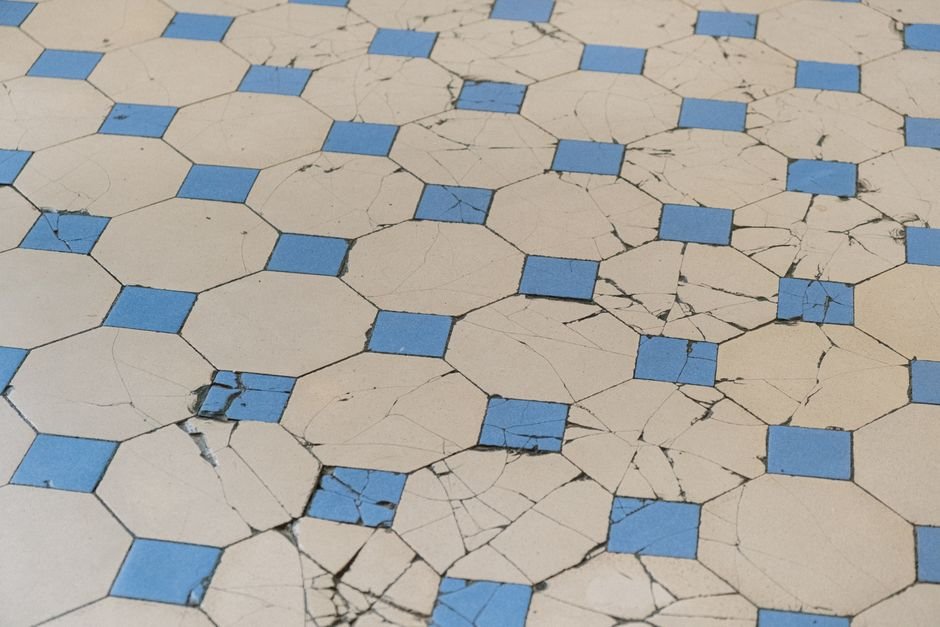
Cracked bathroom tiles can lead to repair costs of up to $1,500 if not addressed promptly. Typically, tile cracking is caused by issues such as improper installation, moisture damage, or temperature fluctuations. Understanding the reasons behind these cracks can help you prevent future problems.
From water damage to installation errors, understanding these issues is key to maintaining the integrity of your bathroom floor. Let’s explore why your bathroom tiles are cracking and how to prevent it from happening in the future.

Common Reasons for Cracked Tiles
Cracks in bathroom tiles can arise from a variety of reasons, but several are more prevalent than others. One major factor is water damage. Ceramic tiles are often porous, which means if water seeps through the cracks in the grout, it can weaken the adhesive and cause tiles to crack or even pop off.
That’s unsettling because it’s often not just a cosmetic issue, if water seeps beneath, it might damage the subfloor as well.
Another common issue is improper installation. This can involve not allowing the appropriate time for adhesives to set or using insufficient grout. Tiles should be installed with care, ensuring all gaps are filled properly, to avoid movement that leads to cracking. The climate in the bathroom can also contribute, excessive humidity can cause materials to expand and contract, adding stress that leads to cracking.
The Role of Grout Maintenance
Grout is frequently overlooked, yet it acts as a protective barrier for your tiles. If the grout deteriorates due to moisture or wear and tear, it opens the door for water to infiltrate and weaken the tile’s bond to the substrate. This can be especially problematic in spaces like bathrooms, which experience high moisture levels.
Regularly checking and maintaining grout can be the difference between cracked tiles and a stable floor.
Additionally, be mindful of using the right type of grout. For bathrooms, especially around sinks and showers, a waterproof or flexible grout is essential. This small upgrade can save you from larger repair bills down the road, as it increases the longevity of both the grout itself and the tiles they protect.

Common Installation Mistakes to Avoid
When I think about cracking tiles, the installation process often comes to mind as a critical phase where mistakes can lead to long-term issues. One frequent misstep is skipping the underlayment, which provides additional cushioning and helps absorb movement. Without it, tile is directly applied to the subfloor, which may shift and crack the tiles above.
Another error is improper alignment. Tiles should be spaced evenly and installed without too much pressure that might cause undue stress. If there’s too much weight or strain on a small area, you may notice cracks forming over time.
I can’t stress enough the importance of meticulous planning during installation; verify that each tile is evenly placed, and that the adhesive is applied correctly as advised.
Addressing and Repairing Cracked Tiles
If you’ve already noticed cracks, it’s crucial to address them promptly to prevent further damage. In most cases, you can either replace individual cracked tiles or repair them using specialized epoxy or tile adhesive products. However, if you find that the underlying problem is a broader water leak or installation issue, you will need to tackle that first.
For quick fixes, a DIY repair kit can help fill in cracks and may blend quite well with your existing tiles. If you’re uncertain about the cause of damage, consult with a professional who can provide guidance. This is especially important if you suspect water damage or subfloor issues.
Preventing Future Damage
To effectively maintain your bathroom tiles, apply a high-quality, water-resistant sealant suited for both tiles and grout. This option is ideal for homeowners looking to protect against moisture damage, while regular inspections are best for those who want to catch potential issues early. For managing humidity, a dehumidifier is the best solution, especially in damp climates.
If that matters to you, our piece on why are my bathroom tiles cracking goes further.
We cover cons of brushed in more depth separately.