
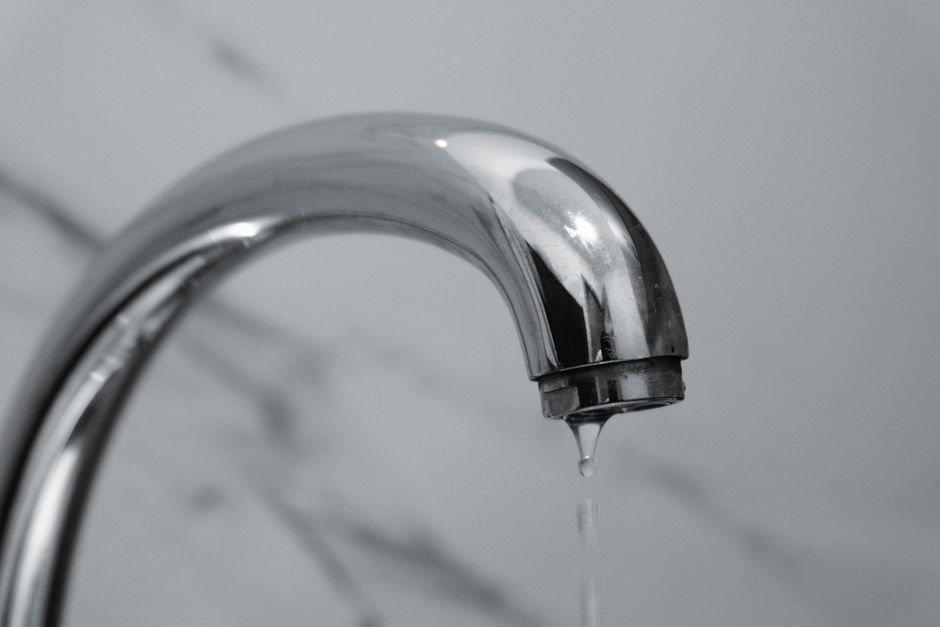
A leaky faucet can waste over 3,000 gallons of water each year, which adds significant costs to your water bill. Spotting that persistent drip means it’s time to investigate the underlying problem and prevent further issues.
If you’re wondering, “Why is my faucet leaking?” you’re not alone. This common household issue has a few main culprits that can be addressed with some basic troubleshooting and repairs.

Common Causes of a Leaky Faucet
First, let’s look at the typical reasons your faucet might be leaking. Most often, the problem can be traced back to worn-out faucet parts, which can happen over time even with regular use.
One of the most frequent offenders is the O-ring, a rubber or plastic ring that provides a seal to prevent leaks around the faucet handle. If this gets worn or damaged, it can lead to a leak from the faucet’s base. Similarly, the washer, which is another common component, can fray or degrade, allowing water to escape.
Another cause could be a corroded valve seat, particularly for compression-style faucets. This component connects the faucet and the spout, and corrosion can create an uneven surface, leading to leaks. Lastly, issues might arise from loose parts. If you’ve recently installed or replaced your faucet, it’s worth checking the fittings to ensure they are secure.

How to Diagnose Faucet Leaks
Once you suspect a leak, diagnosing the issue is your first step in fixing it. Start by isolating the faucet type you have, whether it’s a compression, cartridge, ball, or ceramic disk. Each of these types has unique components that may require different attention.
Begin by tightening any loose nuts at the base or beneath the sink where the faucet connects to the plumbing. If that doesn’t solve the issue, it might be time to disassemble the faucet and inspect the parts. Look for any visible wear or damage in the O-ring, washers, and the valve seat.
You can find replacements for these parts at most hardware stores, and they are generally affordable.
If you suspect it’s a deeper issue within the plumbing system, or you’ve replaced parts but the leak persists, consider consulting with a plumber. They can provide insight into more complex plumbing basics that might be affecting your faucet.
Simple Fixes You Can Try
Many faucet leaks can be resolved with simple DIY fixes. If the problem lies with the O-ring or washer, you’ll first want to turn off the water supply to the faucet. Remove the faucet handle using a screwdriver to access the internal components. Replacing these small parts is usually straightforward, requiring only basic tools.
For a worn valve seat, you’ll need to clean it properly. If cleaning doesn’t work to restore a good seal, you might have to replace it entirely. Reassembling the faucet is the final step; when putting it all back together, ensure that everything is securely tightened. This attention to detail can save you from future leaks.
Preventing Future Leaks
Once you’ve resolved your leaky faucet, consider some preventative measures. Regular maintenance can help extend the life of your faucet and its parts. Periodically check the faucet components for wear, especially if you experience a temperature fluctuation that may affect the materials.
You can also limit water pressure to avoid strain on your faucet. High water pressure can exacerbate wear on faucet components, leading to premature leaks. If your area has particularly high water pressure, installing a pressure-reducing valve can save your plumbing system over time.
Moreover, if you’re shopping for a new faucet, consider water-efficient models that may have better seals or components designed to resist leaks. If you’re also dealing with a leaky bathtub faucet, I have a detailed guide on that here: Why is My Bathtub Faucet Leaking and Effective Fixes Available?.
When to Call a Professional
Sometimes, despite your best efforts, a leak signals a more intricate issue. If you’ve gone through basic troubleshooting steps without success, it’s time to call in a professional. This is especially true if your faucet is linked to a more complex plumbing system problem.
Additionally, if you hear unusual noises from the faucet or if the leak worsens after you’ve made repairs, these signs indicate that more serious attention is needed. A qualified plumber can diagnose the problem more thoroughly than a novice, potentially saving you money and time in the long run.
There is more on eva 84102 bathroom faucet elsewhere on the site.
The Bottom Line: Swift Action Saves Water
To fix a leaky faucet, start with simple solutions like replacing worn washers or O-rings if you’re comfortable with DIY repairs. If the problem persists or you’re unsure, hiring a professional plumber is the best option to ensure your system is properly maintained. If you’re questioning why is my faucet leaking, you can explore more details at this resource.