
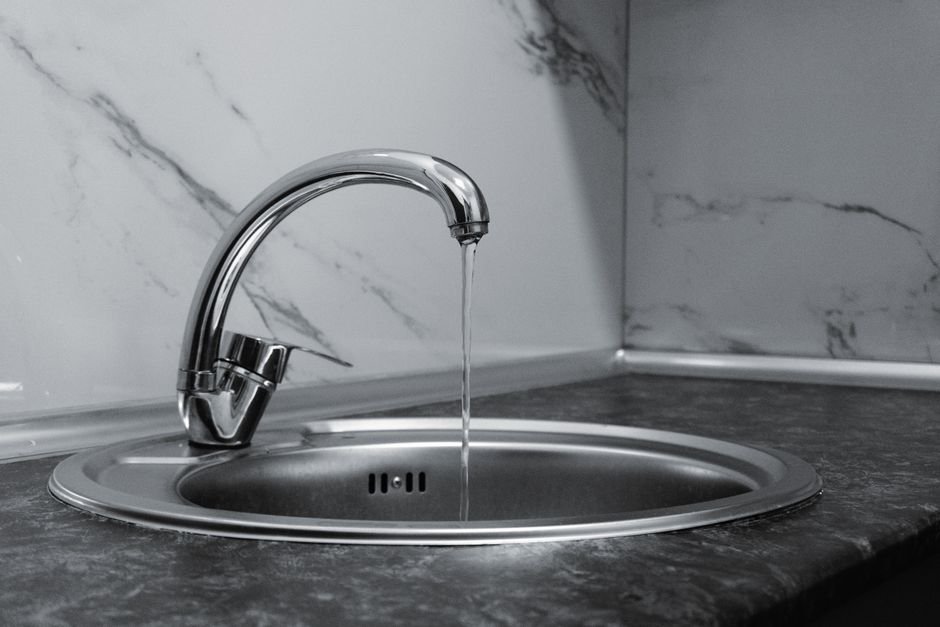
About 80% of homeowners face sink drain issues that range from simple clogs to significant leaks. These problems can often be resolved by following a systematic approach and applying some fundamental plumbing techniques. Here are five actionable strategies to help you identify and fix your sink drain problems efficiently.
1. Identify the Source of the Clog
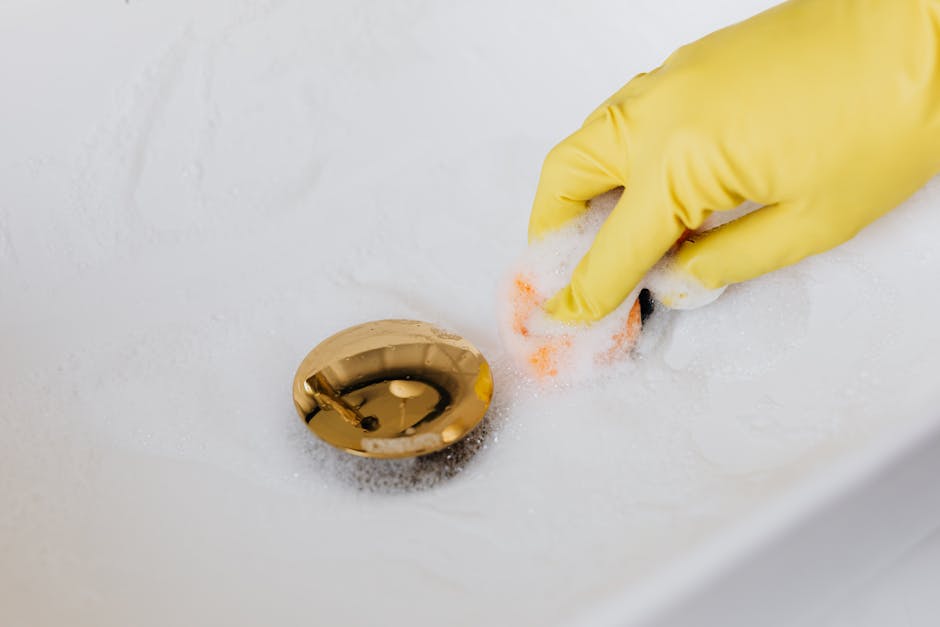
The first step in troubleshooting sink drain problems is pinpointing where the clog is located. You’ll usually find that kitchen sinks get clogged from grease, food particles, and soap scum, while bathroom sinks often suffer due to hair build-up. To tackle this effectively, remove the sink’s stopper and inspect it visually. If it’s just a hairball, you can often remove it by hand.
If debris is further down, you may need to use a drain snake or a plunger for deeper clogs.
Pro tip: Avoid using harsh drain cleaners; they can damage your pipes over time. Instead, a combination of baking soda and vinegar can be a safe and effective alternative.
2. Check the P-Trap
The P-trap is the curved section of pipe under your sink that can often hold stains or clogs. It’s crucial to check this part if your sink is draining slowly. To do this, place a bucket underneath to catch any spills, then unscrew the P-trap and visually inspect it. Sometimes, you’ll find obvious blockages that can easily be removed by hand.
If the P-trap looks good but water still isn’t draining, the issue may be further along in the pipe.
Remember: If the P-trap is corroded, consider replacing it entirely instead of trying to clean it out. New ones are inexpensive and usually come with rubber gaskets to ensure a good seal.
3. Assess for Drain Vent Blockage
Drain vents allow air into your plumbing system and help keep water flowing smoothly. If your sink is making gurgling noises or draining slowly, you might have a blockage in the vent stack. The vent is often located on the roof, so if you’re feeling adventurous, check for debris or bird nests that could be obstructing airflow.
Clearing this may solve your draining issues effectively, allowing proper flow.
Be cautious while climbing up to check the vent; it’s better to have someone assist you than to risk falling. If it looks obstructed but you can’t reach it easily, it’s best to call a professional.
4. Investigate Pipe Maintenance Issues
Old or damaged pipes can create numerous sink drain problems. If you’ve tried clearing the clog and checked the P-trap and vent with no success, it’s time to consider the condition of your pipes. Corrosion or build-up inside the pipes can restrict flow and eventually cause leaks.
If your home’s plumbing is really old (over 50 years), it may be time to assess the situation and consider a pipe replacement to prevent future headaches.
Tip: Be pro-active about pipe maintenance. Schedule regular inspections with a plumber every few years to catch potential issues before they become bigger problems.
5. Replace Your Sink Drain Components
If you’ve diagnosed and cleared clogs but the sink is still not performing as expected, it may be time to replace parts like the stopper or the drain assembly. Over time, these components can accumulate wear and tear, which leads to leaks or inefficient draining.
While this can be a simple task for seasoned DIY enthusiasts, don’t hesitate to call in a plumber if you’re uncertain.
Trying to fix a leaky sink drain? Ensure you have the correct size of replacement components beforehand, as this will save you extra trips to the hardware store.
How to Choose the Best Solution
Start by using a plunger or baking soda for minor clogs, as these methods are typically effective for quick fixes. If the problem persists, it's best to hire a plumber to avoid further damage, especially if you suspect a more serious underlying issue with your plumbing.
For more, read about troubleshooting bathroom.
For more, read about troubleshooting bathroom.
Frequently Asked Questions
Why is my sink not draining properly?
Your sink may not be draining properly due to a buildup of food particles, grease, or soap scum in the pipes, which can create a blockage. Additionally, issues with the sink's P-trap or venting system can also contribute to drainage problems.
How can I prevent sink blockages?
To prevent sink blockages, avoid putting food scraps, grease, and non-biodegradable items down the drain. Regularly flushing the sink with hot water and using a strainer can also help catch debris before it enters the plumbing.
What tools are needed for sink repair?
Common tools needed for sink repair include a plunger, a pipe wrencha drain snake, and a bucket to catch any water. Having disposable gloves and a cleaning brush handy can also be useful during the process.
Can baking soda unclog a sink?
Yes, baking soda can help unclog a sink when used with vinegar. Pouring baking soda followed by vinegar down the drain can create a fizzing reaction that helps break down minor clogs and clear the pipes.
Is it safe to use chemical drain cleaners?
While chemical drain cleaners can be effective, they can also be harsh on your plumbing and potentially harmful if not used correctly. It's best to follow the instructions carefully and consider using alternative methods, such as plunging or snaking, which are often safer for your pipes.