
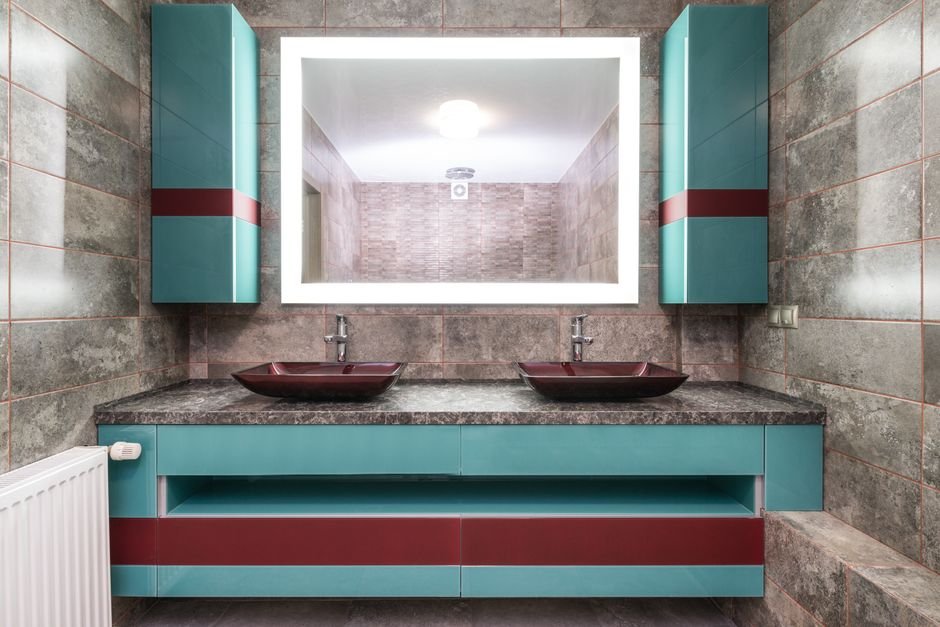
Choosing a bathroom sink can be overwhelming, especially considering the variety of materials, styles, and dimensions available. Many homeowners overlook practical aspects such as installation type and daily usability, which directly impact both aesthetics and functionality. Failing to assess these elements can lead to a mismatched look and inefficient use of space.
In my experience, starting with measurements is crucial. Knowing the vanity size and layout gives you constraints within which to work, ensuring that your sink complements the overall design and fits comfortably in the available space.
When I set out to choose my last bathroom sinkI learned that the right sink merges well with faucets and counter surfaces while also providing adequate space for daily tasks.

How Sink Materials Affect Your Choice
When selecting a sink, the material plays a significant role in both durability and aesthetics. Common materials include ceramic, glass, stainless steel, and cast iron. For instance, ceramic is not only easy to clean but also highly resistant to stains and scratches. That’s why I tend to lean toward it for a classic, timeless look.
On the other hand, stainless steel sinks have a contemporary appeal and are incredibly durable. However, they can be prone to scratches and dents, which is something to consider, especially in a busy family bathroom. The key is to choose a material that aligns with your lifestyle and style preferences. If you’re prone to changing your decor, opt for a versatile material.
But if you prefer a specific aesthetic, cement or stone can offer a unique touch and can be a fantastic choice, although they often require more maintenance.
Exploring Different Sink Styles
Bathroom sinks come in numerous styles, each sending a different design message. I find that vessel sinks, which sit above the counter, provide a chic, modern touch, while undermount sinks, which sit flush with the counter surface, offer a sleek and minimalist look. Furthermore, pedestal sinks can provide space-saving solutions in small bathrooms.
Wall-mounted sinks, another surprisingly stylish option, are perfect for a clean look with easy-to-clean floors. Each style has its own aesthetic charm and practicality; however, what works best often depends on the existing bathroom layout and your personal taste. If you’re aiming for a vintage vibe, a pedestal sink might be what you’ll want.
Conversely, if you’re updating a contemporary space, a vessel sink could become the focal point of the room.

Measuring Sink Dimensions
Before finalizing a sink choice, measuring the dimensions of the area where it will be installed is imperative. Standard sinks vary significantly in size, usually ranging from 19 to 30 inches in width. You must also consider the depth and height of the sink to ensure it meets your needs without sacrificing comfort.
Additionally, pay attention to the height of the faucet and the height of the sink rim to avoid awkward splashes or difficulty reaching the faucet. One mistake I often see is selecting a beautiful sink without adequately checking its dimensions, leading to an installation that either looks awkward or causes usability issues.
Measure twice to avoid the headache of finding the perfect sink that doesn’t fit.
Installation Types
Next, installation type will directly affect how much effort and cost you incur for fitting the sink. Top-mount sinks are generally easier to install since they sit on top of the countertop, while undermount sinks require more complex work and might involve hiring a professional for installation.
If you’re opting for a DIY renovation, a top-mount sink could save you both time and money. However, if you prefer a seamless look, then investing in an undermount sink may be worth it, as the sink’s edge is hidden, creating a unified flow from counter to sink. Each option has benefits, but select one that aligns with your ability, budget, and desired aesthetic.
Putting It All Together: Style and Functionality
In the end, the choice of the bathroom sink is about blending style and functionality seamlessly. Whatever style and material you choose, ensure it meets your daily needs while fitting the overall design scheme of your bathroom. I always encourage thinking practically; this ensures the sink not only enhances the space visually but also works efficiently.
Remember to contemplate how much space you’ll need when using the sink, especially around the faucet area. A well-chosen sink can enhance the entire bathroom’s personality while also providing ease of use for daily activities.
Final Verdict: What to Choose?
Based on everything we’ve discussed, I would recommend ceramic sinks for durability and easy maintenance. For style, if you enjoy modern flair, go for a vessel sink; however, if practicality and space-saving are paramount, a pedestal or wall-mounted sink may be the way to go.
If that matters to you, our piece on rv kitchen sink goes further.
Ultimately, every choice needs to be about your personal taste and the needs of your bathroom, but don’t shy away from bold options that can really set your space apart.
Got a faucet dilemma as well? You can check out my guide on how to replace a bathroom faucet for tips.
For additional insights on how to choose a bathroom sink, consider checking out more resources.