
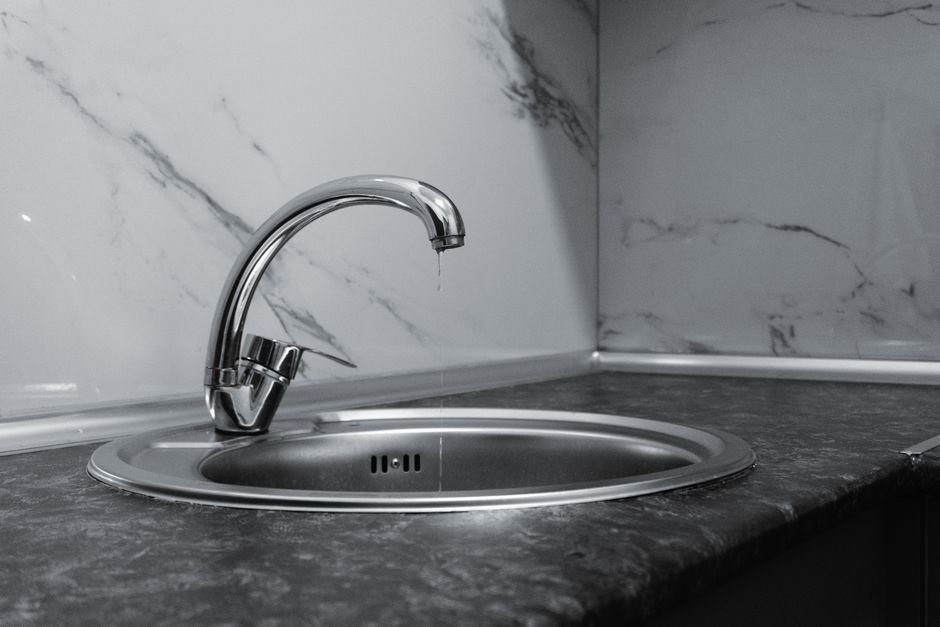
Low water pressure in your kitchen faucet can measure as little as 1-3 gallons per minute, significantly impacting your ability to wash dishes or prepare meals. This persistent issue often stems from a few common culprits that, once identified, can lead to an effective solution.
To get to the root of low kitchen faucet pressure, you need to consider common causes and solutions. Diagnosing the problem correctly can help guide you towards a permanent fix, rather than a temporary band-aid. Here’s what I’ve learned along the way to help you navigate this issue effectively.

Identifying Common Causes of Low Faucet Pressure
The first step is to pinpoint what’s causing the low pressure. One of the most frequent culprits is a clogged aerator. This small attachment at the end of your faucet collects debris over time. If you notice a trickle instead of a steady stream, this could be your problem.
Clogged aerators are often easy to clean: simply unscrew the aerator, rinse out the screen, and reassemble it.
Another factor to evaluate is your water line. If you live in an older home, it’s possible that the pipes themselves are corroded or have some blockages. Older plumbing made of galvanised steel is particularly prone to this issue, leading to diminished flow rates.
You can test this by checking the pressure of other faucets in your home; if they have similar issues, the problem likely lies in the water lines leading to your kitchen.
What to Look for in Pressure Regulator and Pipe Blockage Issues
Your pressure regulator, if you have one, can also contribute to low water pressure. This device controls the amount of water flowing into your home from the main supply line. If it’s malfunctioning, it may restrict flow to all your faucets, not just the kitchen sink. To test this, you might need a plumber, as adjusting the regulator requires some expertise.
Pipe blockages can also stem from accumulating sediment or mineral buildup. If your home has hard water, this is especially likely. You might need to have your plumbing inspected and possibly flushed out if you start to notice serious pressure issues that can’t be corrected easily. For DIY enthusiasts, a simple plumbing snake can sometimes help remove minor blockages without calling in the professionals.
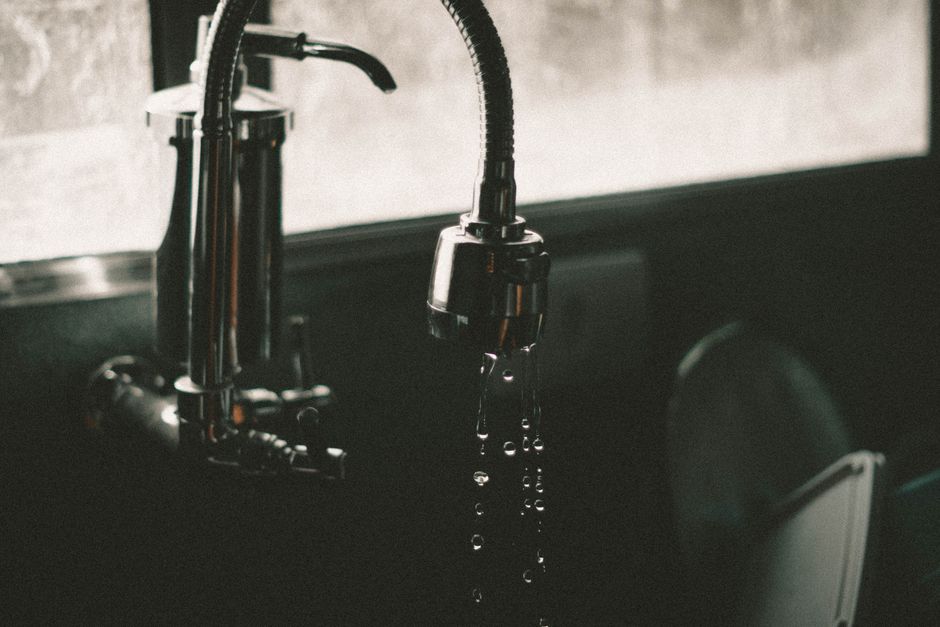
Step-by-Step Solutions for Low Pressure
Once you’ve identified potential causes, it’s time to tackle the problem directly. Start with the aerator, as it’s the simplest fix. Unscrew it and soak it in a vinegar solution to dissolve any hard water deposits. Rinse thoroughly before replacing it.
If it’s not the aerator, check your supply valves under the sink. They should be fully open to ensure maximum water flow. Sometimes they get partially closed during cleaning or other maintenance. If everything looks good below the sink but you still have low pressure, consider calling a plumber to inspect your pressure regulator or check for pipe blockages.
As for ongoing issues with hard water, installing a whole-house water softener could prevent future buildup in both your faucets and pipes. This investment can go a long way in extending the life of your plumbing and improving water flow.
When to Call a Professional
If you’ve tried all the DIY solutions and still face low pressure, it may be time to consult a professional. Persistent problems often signify more significant plumbing issues, like hidden leaks or extensive pipe corrosion, which should be addressed immediately. Delaying can lead to costly repairs later on.
Always remember that regular maintenance can prevent many of these problems from occurring. Periodically checking and cleaning your aerator and inspecting your plumbing can keep things running smoothly.
Your Next Steps
Check your aerator and supply valves first, as these are typically easy fixes for most homeowners. If problems persist, hiring a plumber is the best option, especially if you suspect issues with the pressure regulator or water lines. If you’re still wondering about why is my kitchen faucet low pressure, it may be time to explore further solutions.