
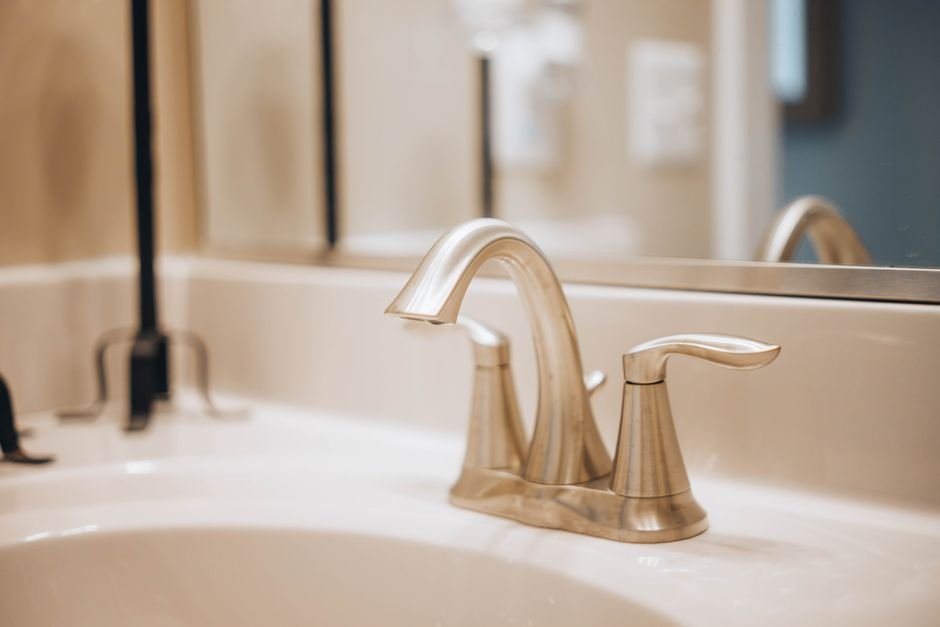
A clogged bathroom sink faucet affects nearly 15% of households every year, leaving many frustrated as the water refuses to drain. Thankfully, you can resolve this issue yourself in just a few simple steps without the need for a plumber.
Understanding how to unclog a bathroom sink faucet involves knowing the common causes and the specific methods that work. I’ve tackled numerous sink blockages over the years, and I’ll break down the most efficient DIY methods that have worked for me. You don’t need fancy plumbing tools or intricate procedures, just a little elbow grease and patience will go a long way.

Common Causes of Clogged Bathroom Sinks
Before jumping into solutions, it’s crucial to understand what causes these sink blockages. Hair, soap scum, toothpaste residue, and mineral buildup are the usual suspects. I find that hair is often the main culprit, especially in bathrooms where hair styling occurs frequently. The strands can combine with soap and form a thick, sticky mass that clogs the drain.
Mineral buildup can also occur over time, particularly in areas with hard water. This sediment coats the insides of pipes, restricting water flow. If you’ve noticed a slow trickle from your faucet, it’s likely time to check for one of these common problems.
First Steps: Gather Your Plumbing Tools
Before you begin, make sure you have a few basic plumbing tools at your disposal. I suggest acquiring the following:
- Pliers
- Bucket or large bowl
- Plumber's snake or a coat hanger
- Old toothbrush or a small scrub brush
- Vinegar and baking soda (if applicable)
Having everything on hand makes the process smoother and minimizes your chances of getting frustrated mid-fix. I’ve learned that unplanned trips to the hardware store can derail the momentum you build when tackling a DIY project.
DIY Methods to Unclog Your Sink
Once you’ve diagnosed the issue and gathered your tools, it’s time to get to work. I usually recommend starting with the simplest solutions first:
1. Remove the Sink Stopper
The first thing I do is remove the sink stopper. Most are easy to take out, simply twist or pull to detach. This allows you to access the drain better. It’s amazing how much debris gets caught around the stopper mechanism. Clear any visible buildup you can see.
2. Use a Plumber’s Snake
If hair or other material is blocking the pipe deeper down, a plumber’s snake is your best friend. Simply insert it into the drain until you feel resistance, then spin it to grab the blockage. Just be careful not to scratch the pipe.
If you don’t have a plumber’s snake, you can use a coat hanger, bending it into a hook shape to fish out debris.
3. Baking Soda and Vinegar Method
If the blockage persists, I like to try the baking soda and vinegar method. Start by pouring about half a cup of baking soda down the drain, followed by half a cup of vinegar. You’ll see it fizz. Let it sit for about 30 minutes before rinsing it down with hot water.
This combination works wonders for breaking down buildup and can often clear stubborn clogs. If you’re curious about more detailed approaches, I cover that topic in depth here: How To Unclog Bathroom Sink With Baking Soda.
4. Rinse with Hot Water
After using one of the methods above, a thorough rinse with hot water is essential. I run the faucet on hot for several minutes to ensure anything that might still be lingering is cleared out. It’s a simple step, but don’t skip it!

When to Call a Professional
Despite your best efforts, sometimes the clog won’t budge. If you’ve tried multiple methods and still encounter water flow issues, it might be time to call a plumber. They have specialized equipment to handle more severe blockages that are beyond basic home maintenance.
It’s important not to wait, though, as prolonged clogs can lead to more significant plumbing issues that will cost more to fix. If you’re unsure whether to tackle the problem yourself, a quick consultation with a plumbing expert can offer peace of mind.
Maintenance Tips to Prevent Future Blockages
Once you’ve successfully unclogged the sink, consider implementing some maintenance habits to prevent recurrences. Regularly remove hair from sink stoppers and flush the drain with hot water once a week. Moreover, I suggest avoiding pouring grease or food particles down the sink. It may seem harmless, but over time, these substances can accumulate and lead to bigger issues.
Lastly, consider using a drain strainer to catch hair and debris before they reach your pipes. It’s a simple piece of equipment that can save you headaches in the long run.
Your Clean Sink Awaits!
Now that you have the information you need, you’re equipped to tackle any bathroom sink faucet clogs that come your way. With a bit of effort and some basic tools, you can save money and time while ensuring your plumbing is functioning correctly.
If you’re also dealing with longer-term clog solutions, check out my article on How To Unclog A Bathroom Sink With Standing Water.
Trust me, unclogging your bathroom sink faucet is a manageable task that pays off in the end. Happy unclogging!
Related reading: bathroom lighting fixtures.
If you want to learn more about how to unclog a bathroom sink faucet, consider looking at additional resources.