
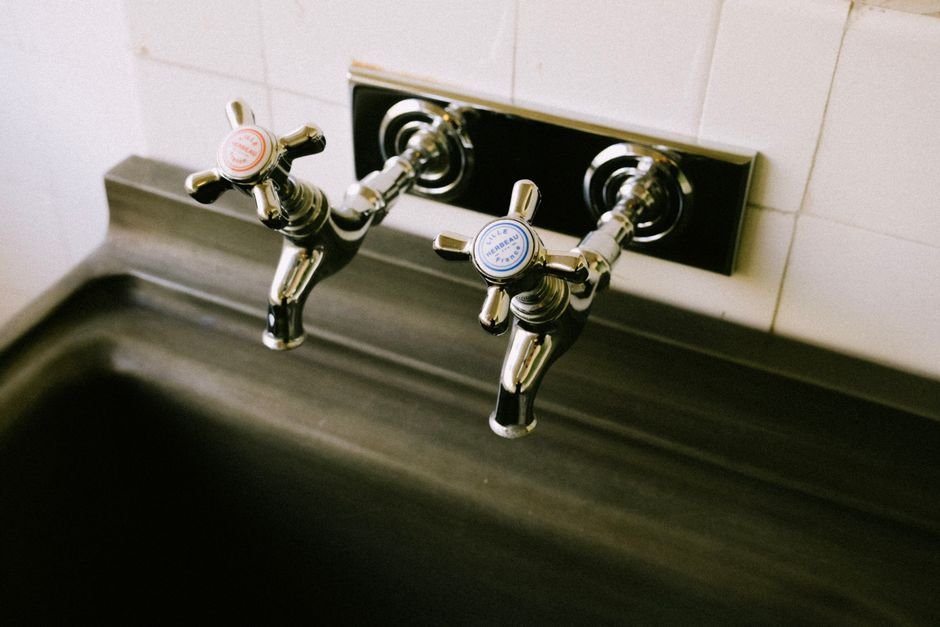
Compression faucets make up about 25% of residential fixtures and operate using a washer to regulate water flow. This straightforward mechanism means any leaks often stem from worn washers, making repairs uncomplicated.
Compression faucets have been around for decades. Despite being one of the oldest designs available, they are still a common choice for homeowners due to their straightforward functionality. Instead of using cartridges or ball mechanisms, these faucets use rubber washers, which makes them unique. The washer compresses against a valve seat to shut off water flow, providing precise control over the output.
Let me delve into how they work and essential points you should consider.

How Compression Faucets Operate
What makes compression faucets distinct is their working mechanism. When you turn the handle, it lifts the stem, which pushes the washer away from the valve seat, allowing water to flow through. The further you turn the handle, the more water flows out. This simple design can offer a reliable experience when maintained properly, leading to fewer plumbing issues.
One of the most significant advantages of compression faucets is that they are easy to repair. If you notice a leak, it often just means the washer has worn out. Replacing the washer is straightforward and can usually be done with basic tools. However, it’s crucial to replace it with the same size and material to maintain proper sealing.
A leaky faucet can waste gallons of water, so addressing these repairs early is essential.
Common Issues with Compression Faucets
Despite their reliability, compression faucets can face a few common issues. The most frequent problem is leaking, typically caused by a worn-out washer or a failed valve seat. While the washer is easy to replace, the valve seat may require more attention. If water continues to leak after replacing the washer, it may be time to replace the entire faucet.
This could be an ideal opportunity to consider a more modern faucet if frequent leaks occur.
Another common complaint among users is an uneven flow of water. This can be attributed to sediment buildup in the faucet or strainers, which can restrict water flow. Regularly cleaning these components can ensure your faucet supplies a steady stream of water. If you ever experience a sudden stop in flow, this is usually an indication that the system needs a thorough inspection.

Cost of Compression Faucet Maintenance and Installation
The cost of installing a compression faucet can vary significantly, typically ranging from $100 to $400, depending on the brand and additional plumbing requirements. Additionally, if you’re tackling leaky faucet repairs, you might only need a few dollars worth of parts, like washers and O-rings, to restore functionality. This low-cost maintenance makes them a solid choice if you’re particularly budget-conscious.
Moreover, if you’re someone who enjoys DIY projects, handling compression faucet repairs is very doable. Most homeowners can manage these installs and repairs with minimal training and experience. Online tutorials can act as excellent guides, simplifying what could initially seem like a complex task.
Choosing the Right Compression Faucet
When selecting a compression faucet, you want to consider several factors including material, design, and finish. Brass and stainless steel are popular for their durability, yet those materials come at a different price point. You should also examine the design that best fits your space, whether it’s classic or modern.
Researching user reviews can help you gauge which models are the most reliable and easiest to maintain.
It’s worth paying attention to the faucet’s handle and how it operates. Some individuals prefer a single handle for simplicity, while others may like the control of dual handles for hot and cold water. Your choice should relate to how comfortable you feel with the mechanisms involved in adjusting water flow.
Final Verdict: Are Compression Faucets Right for You?
Compression faucets can still perform nicely in today’s plumbing landscape, especially if you prefer an old-school feel with reliable performance. However, if you anticipate frequent use and desire less maintenance, consider investing in a more modern faucet type such as cartridge or ball faucets. For those interested in DIY repairs and lower initial costs, compression faucets can be a great option.
The reliability of a compression faucet lies in its simplicity, making it easy and inexpensive to maintain. If you are also dealing with other issues like general plumbing problems, I have a detailed guide on that here: Why is My Faucet Leaking? Common Causes and Easy Fixes Explained?.
If you are refreshing your sink area altogether, you might find useful information in this corner bathroom sink review that I have put together here.
See also our take on faucet without.
For more on what is a compression faucet, this resource provides detailed insights.