
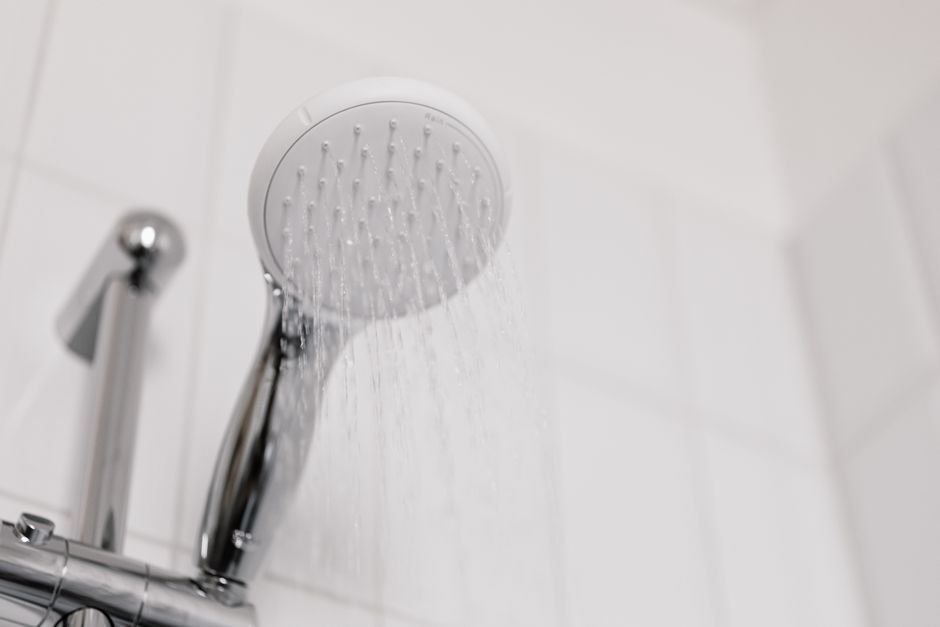
A dripping shower head can waste more than 500 gallons of water a year, leading to higher utility costs. Identifying the source of the leak, whether it’s mineral buildup or damaged parts, is crucial for a quick fix and to maintain your plumbing system.
First, let’s look at some of the primary reasons why your shower head might be dripping. While there are several factors at play, many stem from wear and tear or improper installation. By identifying the root cause early, you can avoid hefty repair costs and enjoy a more functional shower.
Common Reasons for Shower Head Leaks
In my experience, the most frequent culprits of shower head leaks center around a few key issues. First up is the accumulation of mineral deposits. If you have hard water, as many do, over time those deposits can build up inside your shower head, leading to blockages and leaks.
This is something I’ve noticed in my own home, where the pressure builds behind the obstruction and forces water out in unexpected places.
Another primary reason involves the seals and gaskets that keep the shower head securely attached. Over time, these components can degrade due to the constant exposure to moisture and heat. When that happens, you may notice water trickling down the neck of the shower head. I always recommend checking these seals first, as they are often the easiest to replace.
Lastly, water pressure plays a significant role in shower head functionality. If the pressure is too high, it can cause leaks and excess wear on the fittings. I learned this the hard way when adjusting the pressure for a stronger shower; it ended up causing leaks that required me to replace multiple components. Knowing your plumbing system is crucial.
Ignoring the Problem: Costs and Consequences
Many people tend to delay fixing a leaking shower head, thinking it’s just a minor inconvenience. This mindset can lead to bigger plumbing problems down the line, including mold growth and structural damage. A small drip may turn into a steady stream, wasting gallons of water daily and costing you massively on your water bill.
In my case, ignoring a small leak led to a costly water bill spike that really made me pay attention.
Water damage can also result in costly repairs. If the leak seeps into surrounding walls or ceilings, it can weaken the structure, necessitating extensive renovation work. I’ve witnessed firsthand how quickly minor leaks can escalate into larger disasters, making prompt repairs essential to avoid catastrophic outcomes.
Quick DIY Fixes for a Leaking Shower Head
Taking action to resolve a leaking shower head isn’t as daunting as it seems. I often suggest starting with some straightforward troubleshooting tasks. Begin by examining the shower head and its connection to the pipe. Tightening the fittings using a wrench can sometimes solve the issue. If that doesn’t work, check the rubber O-ring or gasket.
If it looks worn or damaged, replacing it is a quick fix that can restore your shower head to its former glory.
In some instances, cleaning the shower head may resolve the issue. To do this, remove the shower head and soak it in a vinegar solution for a few hours. This treatment dissolves mineral deposits that could be causing leaks. In my experience, even a good scrub with a brush can make a difference, leaving the shower head functioning much better.

When to Call a Professional
While many issues can be resolved on a DIY basis, there are times when the expertise of a professional is necessary. If you’ve tightened the fittings and replaced the gasket but are still dealing with leaks, it might be time to call in a plumber. Persistent leaks might indicate deeper problems with your plumbing system that require specialized attention.
I’ve learned that sometimes, it pays to get an expert opinion before the problem worsens.
Additionally, if you suspect that high water pressure is causing the leak, a plumber can assess and adjust that for you. They often have the tools and knowledge to measure pressure levels accurately and make necessary adjustments, ensuring the system runs efficiently. If you experience frequent plumbing problems in your home, consulting with a professional may be invaluable for comprehensive bathroom fixture assessments.
Maintaining Your Shower Head
To prevent future leaks, regular shower maintenance is crucial. This includes cleaning your shower head and checking for any signs of wear in the gaskets and seals. I recommend doing a thorough check twice a year to catch any minor issues before they escalate. Investing a little time upfront can save you a considerable amount of hassle and expense later on.
Keeping your water pressure in check is also essential. If you’re unsure about the pressure levels in your home, consider installing a pressure-regulating valve to keep everything balanced. This not only helps with your shower head but can also prolong the life of your entire plumbing system.
If you also want to tackle plumbing problems, I have a detailed guide on that here: 7 Troubleshooting Bathroom Fixture Problems. This resource has helped me navigate common issues, making home maintenance much simpler.
Final Thoughts on Shower Leaks
Addressing a leaking shower head promptly saves an average homeowner about $100 annually on water bills. If you’re curious about why is my shower head leaking, hiring a plumber is a worthwhile investment to prevent further damage and ensure lasting results.