
Blocked drains account for nearly 80% of plumbing problems, which can lead to significant disruptions during your travels. Knowing how to handle a blocked drain can prevent costly repairs and help ensure your trip remains enjoyable without unexpected setbacks.
Fixing a blocked drain doesn’t require a plumbing degree. With a few basic tools and methods, you can tackle most clogs yourself. The key is to act swiftly when you notice slow drainage, as waiting can lead to more significant issues. Here’s a detailed guide on the most effective plumbing solutions for unblocking drains on the go.
Common Causes of Blocked Drains
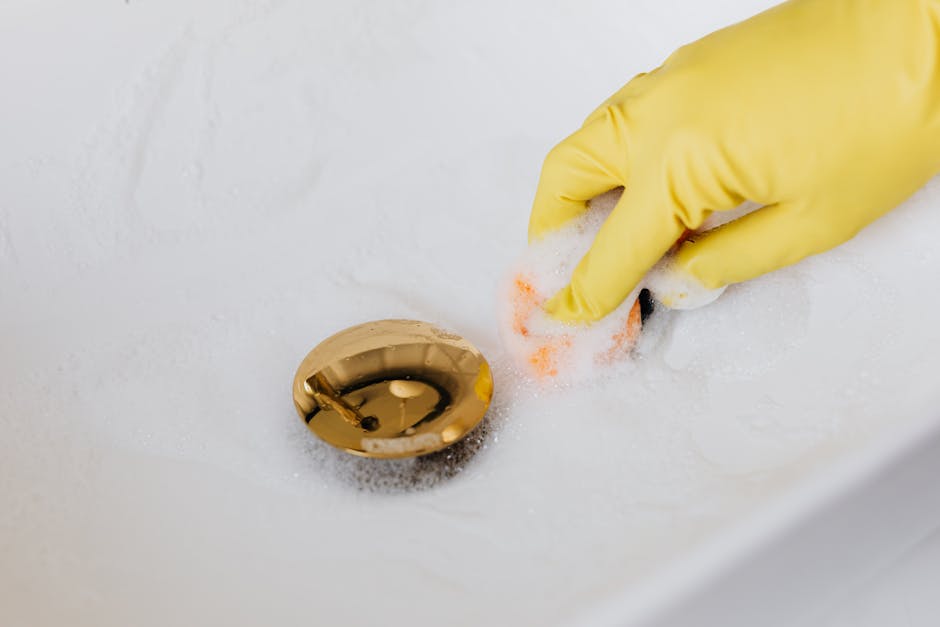
Understanding what causes a blocked drain can help you prevent them as well as fix them. The most common culprits include:
- Hair: This is particularly an issue in bathrooms. Hair strands can clump together, creating a trap for other debris.
- Food Waste: In kitchens, leftover food, grease, and oil can easily accumulate and solidify inside pipes, blocking flow.
- Soap Scum: Soap residue can collect and harden, especially in shower drains, causing slow drainage over time.
- Foreign Objects: Any small item that accidentally gets washed down, from toys to cotton swabs, can build up and lead to significant blockage.
Recognizing these causes can help you take preventative measures, like using drain covers in showers or being mindful of what goes down your kitchen sink.
DIY Solutions for Unblocking Drains
When you notice a blocked drain, the first step is assessing if it’s a minor issue that you can tackle yourself before calling professionals. Here are some effective drain cleaning methods:
- Boiling Water: Pouring boiling water down the drain can often loosen and dissolve minor clogs caused by grease or soap scum. Do this carefully, especially with plastic pipes.
- Plunger: A good old-fashioned plunger can work wonders for clogs in sinks and toilets. Make sure to use a flanged plunger for the best seal.
- Baking Soda and Vinegar: This mix can help break down build-up in drains. Pour half a cup of baking soda followed by half a cup of vinegar, let it fizz for 15-20 minutes, then flush with boiling water.
- Drain Snake: For tougher clogs, a drain snake can reach deep into the pipes to physically remove debris. This tool is essential for any serious DIY plumber’s kit.
While these DIY solutions are straightforward, they can sometimes require some elbow grease. If your first attempt doesn’t succeed, don’t hesitate to repeat the process or combine methods for better results.

When to Call a Professional
While many blockages can be fixed with simple DIY methods, there are times when it’s better to call in a professional. If multiple drains are clogged simultaneously, there might be a deeper issue in your plumbing system. Constant clogs that recur are another sign that a professional inspection is necessary.
Additionally, if you smell foul odors that suggest sewage or persistent slow drainage despite your efforts, these are indicators that something more severe is at play. A plumber can provide a thorough drain cleaning, using specialized tools that might be beyond the DIY scope.
Essential Tools for Pipe Unclogging
To successfully manage common drain issues, owning a few essential pipe unclogging tools can make your life easier:
- Plunger: A must-have tool in any household, effective for various clogs.
- Drain Snake or Auger: Available in various lengths and thicknesses, these tools effectively reach deeper clogs.
- Baking Soda and Vinegar: Keep these on hand for a quick and effective solution to minor clogs.
- Bucket: Ideal for catching excess water when you’re working on a clog.
- Gloves: Protect your hands, especially when dealing with unclean areas.
Having these tools readily available can save you a lot of frustration during your travels, enabling you to address minor plumbing woes before they escalate.
Preventative Home Maintenance Tips
Prevention is often the best course of action. Simple changes in habits can drastically reduce the likelihood of blocked drains:
- Install Drain Screens: Especially in sinks and showers, this can prevent hair and larger debris from entering your pipes.
- Regular Cleaning: Monthly cleaning of your drains with baking soda and vinegar can keep buildup to a minimum.
- Mindful Disposal: Dispose of grease in a container instead of pouring it down the sink, and be diligent about not flushing items that belong in the trash.
By taking these straightforward actions, you’ll ensure your plumbing system runs smoothly, making your home away from home during travels a more pleasant experience.
Your Final Call to Action
Coping with a blocked drain while traveling can feel like a nightmare, but it needn’t be. With knowledge of common issues, DIY methods, the right tools, and a bit of preventive care, you can keep your drains clear and your stress low. When the simpler methods don’t work, don’t hesitate to reach out for professional help.
If you’re also dealing with slow drainage issues, I have a detailed guide on that here: Why Does My Bathtub Drain Slow? Common Causes Explained?.
Don’t allow a blocked drain to ruin your travels. Equip yourself with the right strategies and keep your adventures enjoyable. If you’re unsure about how to fix a blocked drain, remember that taking preventive measures can save you a lot of trouble.
For more, read about fix it easily.