
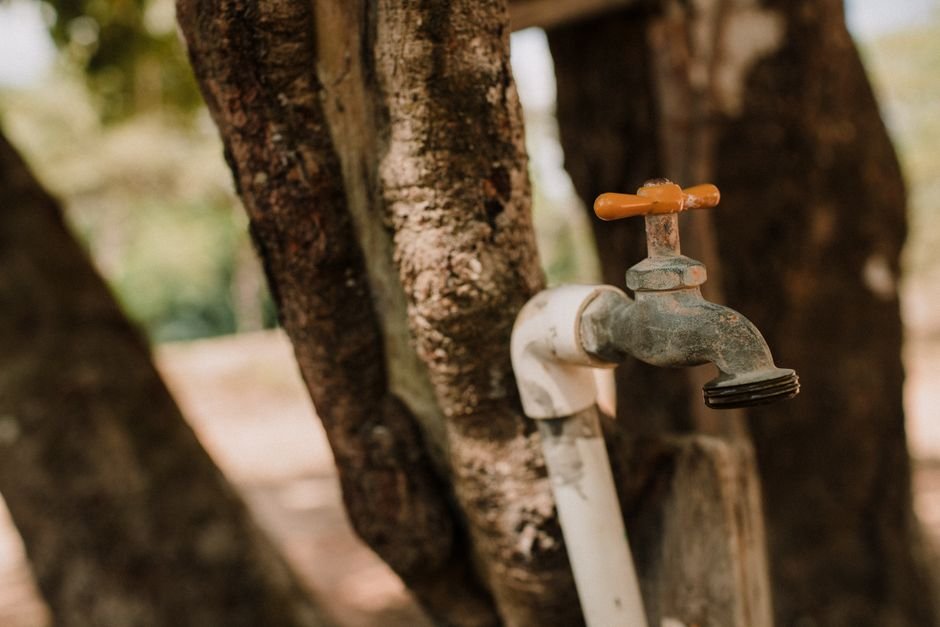
Households with leaks waste over 10,000 gallons of water each year, leading to higher utility bills and local water shortages. This makes understanding the environmental impact of plumbing essential for every homeowner.
As I dug deeper into this topic, the connection between plumbing and its environmental implications became even clearer. Not only does the type of plumbing system you have influence water conservation, but the materials and fixtures used can also play a role in maintaining energy efficiency. Let’s look at how plumbing affects the environment and explore sustainable practices to mitigate its impact.

The Water Crisis: How Plumbing Systems Contribute
Water scarcity is a growing issue worldwide, with billions lacking reliable access to clean water. Poor plumbing can exacerbate this problem; outdated systems that leak or deliver excess water waste resources at alarming rates. In fact, the average leaky faucet can drip at a rate of one drop per second, leading to wasted resources that could fill a swimming pool within a year.
This kind of inefficiency not only causes stress on water supplies but also drives up costs for consumers.
Moreover, plumbing systems often use outdated fixtures that contribute to water waste. Older toilets, for instance, use anywhere from 3.5 to 7 gallons per flush, while modern low-flow toilets require only about 1.6 gallons. Updating plumbing fixtures and systems can have a significant impact on conservation efforts, but many homeowners fail to make these changes due to the initial costs involved.
The long-term savings and environmental benefits, however, make it a wise decision.
Sustainable Practices in Plumbing
Embracing green plumbing solutions not only helps conserve water but can also reduce energy consumption. Sustainable plumbing practices include choosing energy-efficient fixtures and appliances, and opting for solar heating systems where possible. Such systems can significantly lower the carbon footprint associated with traditional water heating methods.
I’ve noticed that many people overlook the benefits of installing dual-flush toilets or low-flow faucets and showerheads. These fixtures are designed to use far less water, helping to lower utility bills while also conserving essential resources. If you’re considering upgrades, I recommend taking a look at the best high arc kitchen faucets as they combine efficiency with aesthetic appeal.

Wastewater Management: Importance and Challenges
Another prominent aspect of plumbing’s environmental impact is wastewater management. When wastewater is not adequately treated, it can lead to pollution in our waterways. Treatment plants are crucial, but they often face capacity and infrastructure challenges, particularly in urban areas. By investing in better wastewater management systems, we can significantly reduce the hazardous effects on local ecosystems.
Adopting advanced treatment methods, such as greywater systems that recycle water from sinks and showers for landscaping use, can alleviate some of the pressure on municipal systems. Although the upfront investment can be daunting, the long-term benefits for water conservation and ecosystem health are indisputable. Moreover, keeping abreast of local regulations and funding opportunities can make implementing such systems more feasible.
Reducing Energy Consumption Through Efficient Plumbing
The impact of plumbing on the environment doesn’t stop with water wastage; it extends to energy use as well. Water heating accounts for a significant portion of energy consumption in homes. Switching to tankless water heaters can reduce energy usage by up to 30% compared to traditional models. This isn’t just about conservation; it’s a solid financial investment in the long run.
Additionally, using insulated pipes helps maintain water temperature, reducing the energy needed to heat water. It’s these small changes that can accumulate to make a substantial difference. Thinking ahead when planning renovations or new builds can help mold a more sustainable future.
The Verdict: Prioritizing Sustainable Plumbing
Upgrading to water-efficient plumbing fixtures is the best option for those looking to reduce waste and save on bills. Homeowners who prioritize sustainability in their plumbing choices can significantly decrease their environmental impact.
Our write-up on does my bathtub drain picks up where this leaves off.