

Bathtub jets are a luxurious feature that turns an ordinary bath into a spa-like experience. However, over time, they can accumulate soap scum, mold, mildew, and bacteria, especially if not cleaned regularly. Cleaning your jetted tub is essential not only for hygiene but also for maintaining the efficiency and longevity of the system.
In this guide, we’ll walk you through everything you need to know to properly clean your bathtub jets from tools you need to step-by-step instructions.
Why It's Important to Clean Bathtub Jets
Jetted tubs work by drawing in and expelling water through small nozzles or jets. These jets can become breeding grounds for:
Soap scum and body oils
Mold and mildew
Bacteria and biofilm
Mineral deposits
Dirty jets can cause foul odors, skin irritation, and reduced jet performance. Regular cleaning ensures a safe, pleasant, and relaxing soak every time.
What You’ll Need
Before you start cleaning, gather the following supplies:
White vinegar (or bleach – see note below)
Baking soda (optional for deep cleaning)
Dish soap (mild, non-abrasive)
A soft cloth or sponge
Old toothbrush or small scrub brush
Measuring cup
Rubber gloves (optional but recommended)
Step-by-Step: How to Clean Bathtub Jets
Step 1: Fill the Tub
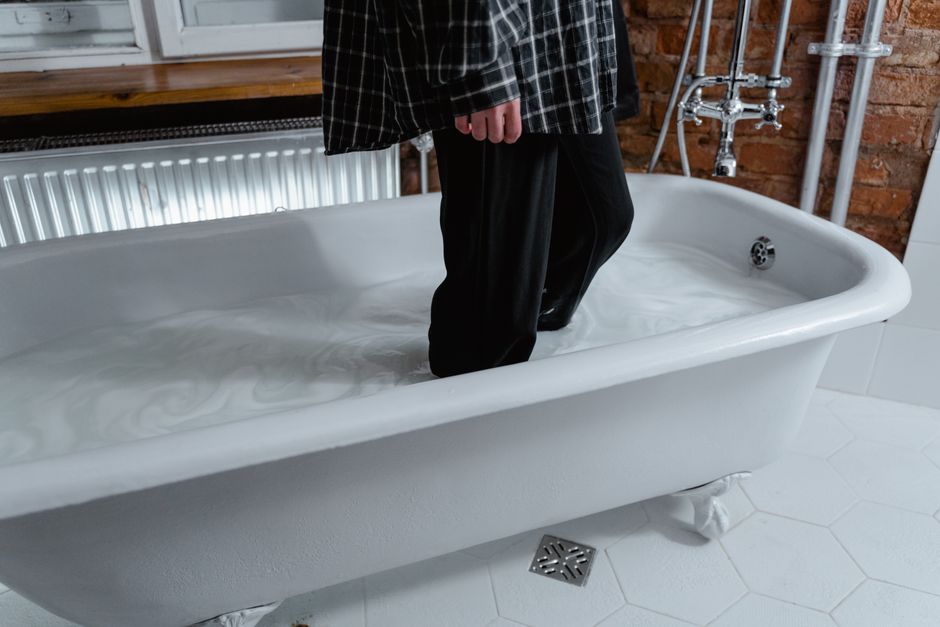
Fill the tub with hot water at least 2-3 inches above the highest jets.
Make sure all jets are completely submerged.
Step 2: Add Cleaning Agents
Choose one of the following cleaning solutions:
Option 1: Vinegar-Based Cleaning (Natural)
Add 2 cups of white vinegar
Add a few drops of dish soap
Option 2: Bleach-Based Cleaning (Heavy Duty)
Add 1/2 cup of household bleach
Add a few drops of dish soap
Step 3: Run the Jets
Turn on the jets and let them run for 15-20 minutes.
This circulates the cleaning solution throughout the pipes and loosens buildup.
Step 4: Drain the Tub
After 15–20 minutes, turn off the jets and drain the tub.
You may see black flakes or grime in the water—this is normal and shows the cleaning is working.
Step 5: Refill and Rinse
Fill the tub again with cold water to rinse.
Run the jets for another 10 minutes to flush out any remaining debris or cleaning solution.
Step 6: Scrub the Jets and Tub
Drain the tub again.
Use an old toothbrush or small scrub brush to manually clean around each jet.
Wipe down the entire tub with a soft cloth or sponge and mild dish soap.
Rinse thoroughly.
Optional: Deep Cleaning With Baking Soda
If your jets still seem dirty or have a lingering odor:
1. Sprinkle baking soda directly into the tub and around the jets.
2. Use a damp sponge to scrub the baking soda into any stained or grimy areas.
3. Rinse thoroughly and run the jets one more time with clean water.
How Often Should You Clean Bathtub Jets?
Light use: Once a month
Frequent use: Every 1–2 weeks
After using bath oils or bubble baths: Clean jets immediately after use
Maintenance Tips
Avoid using heavy bath oils or bubble baths that can leave residue in the pipes.
Run the jets with plain water for a few minutes after each bath to flush out residue.
Wipe down the tub and jets after each use to prevent buildup.
Common Mistakes to Avoid
Cleaning bathtub jets can seem straightforward, but people often make errors that diminish the effectiveness of the process. One common mistake is using abrasive cleaners or scrubbers that can scratch the jets or the tub surface. These can lead to damage, requiring costly repairs.
Another mistake is not fully draining the tub after cleaning. Residual cleaning agents can build up, leading to a dirty or grimy feeling next time you use the tub. Always rinse thoroughly to leave no chemicals behind.
Finally, some forget to clean the filters attached to the jets. Dirty filters can restrict water flow, reducing the effectiveness of both the jets and your cleaning efforts. Clean those filters regularly for optimal performance.
We cover bathtub for a sparkling fresh in more depth separately.
Comparing Cleaning Methods: Vinegar vs. Commercial Cleaners
Vinegar and commercial cleaners both offer effective solutions for cleaning bathtub jets. Vinegar is a natural disinfectant; it removes buildup and odors without harsh chemicals. A mixture of equal parts water and vinegar is ideal for routine cleaning.
On the other hand, commercial cleaners can be more powerful for stubborn grime. They often contain specific ingredients that break down tough residue faster. Consider using a cleaner designed for spa jets for maximum efficacy.
- Vinegar: Eco-friendly, cost-effective.
- Commercial Cleaners: Fast-acting, purpose-built.
Choose vinegar for regular maintenance and commercial options for deep-cleaning sessions.
Cost Considerations for Cleaning Supplies
When budgeting for cleaning supplies, vinegar is an inexpensive choice, costing around a dollar for a quart. A bottle of commercial jet cleaner ranges from $10 to $20, depending on the brand and effectiveness. Factor in your typical cleaning frequency when choosing a method.
Buying in bulk can also reduce costs. If you clean frequently, a larger supply of vinegar can be economical. Commercial products may offer volume discounts, but consider whether you'll use them consistently.
Conclusion
Cleaning your bathtub jets doesn't have to be a chore. With just a few household items and regular upkeep, you can enjoy a clean, hygienic jetted tub experience. Whether you're using vinegar for a natural clean or bleach for a deeper sanitization, staying consistent with your maintenance routine will keep your jets performing at their best and your soak stress-free.
If you want to learn more about how to clean bathtub jets, be sure to follow these tips.