
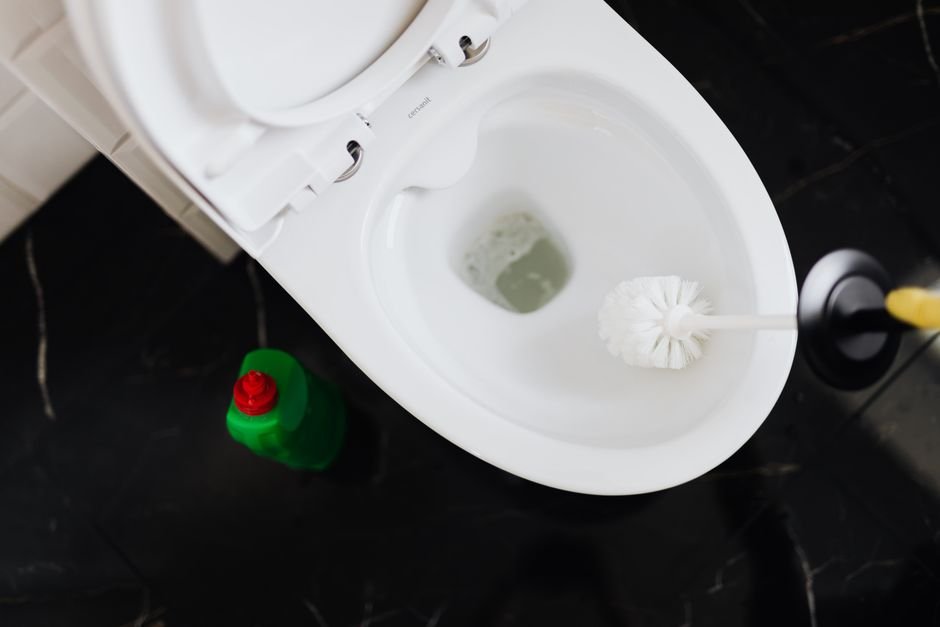
A running toilet can waste about 200 gallons of water per day, leading to increased utility bills and environmental harm. If your toilet is perpetually running, it's essential to identify the underlying cause and resolve it quickly.
This article will break down common reasons your toilet may be malfunctioning and provide straightforward fixes, particularly helpful for those of us traveling and dealing with unfamiliar plumbing situations.
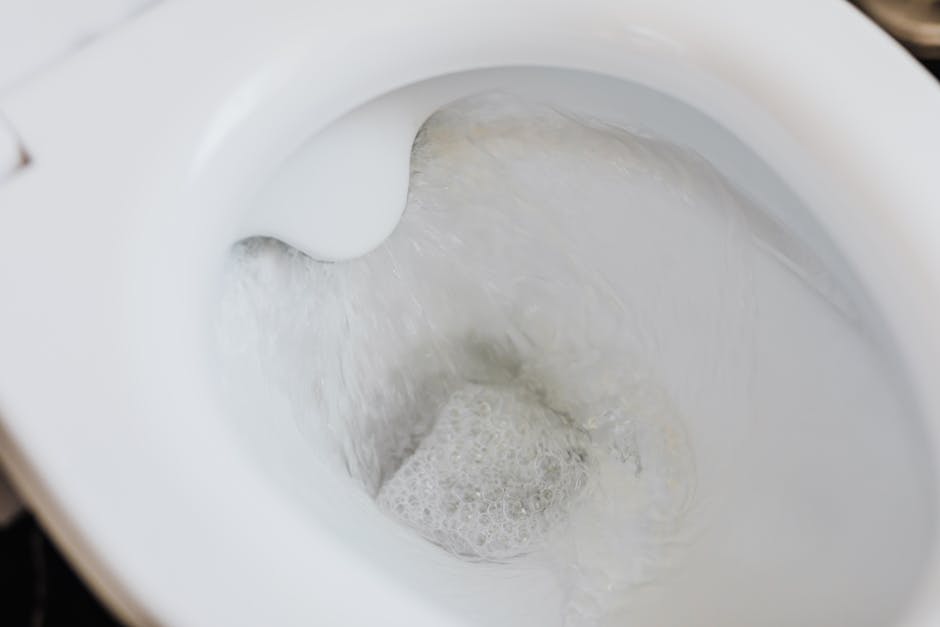
Common Causes of a Running Toilet
Many homeowners overlook the simple mechanics behind their toilet’s operation. A few main components can lead to a constant flow of water. For starters, the toilet flapper is often the culprit. This rubber valve sits at the bottom of the tank and seals water in after a flush.
If it’s worn or incorrectly positioned, water will leak into the bowl, causing the tank to refill continuously.
The float valve is another critical part of the equation. It regulates the water level in the tank. If the float is set too high, water will continuously overflow into the overflow tube and down into the bowl. This high water level is a clear sign that adjustments need to be made.
Lastly, let’s not forget potential water leaks. Leaks can occur anywhere along the plumbing, from the tank to the connections. Identifying and addressing any leaks can save you money and prevent further water loss.
How to Diagnose the Problem While Traveling
If you’re traveling, figuring out why your toilet is running may feel daunting without familiar tools or resources. However, you can conduct a simple examination with minimal tools, often just your hands and some basic understanding of toilet mechanics.
Start by checking the toilet flapper. Remove the tank lid and pull up on the flapper with your fingers. If it stays up or doesn’t form a tight seal when released, it’s time for a replacement. These rubber flappers are affordable and often easy to find at local hardware stores or supermarkets.
Installing one usually requires no more than a few minutes’ work, which makes it a convenient fix.
Next, examine the float valve. Should the float be stuck or misaligned, it’s simple enough to adjust. Most models allow you to tweak the float’s height by twisting a screw or lifting an arm connected to the valve. This adjustment keeps the float down, preventing water from continually entering the overflow tube.
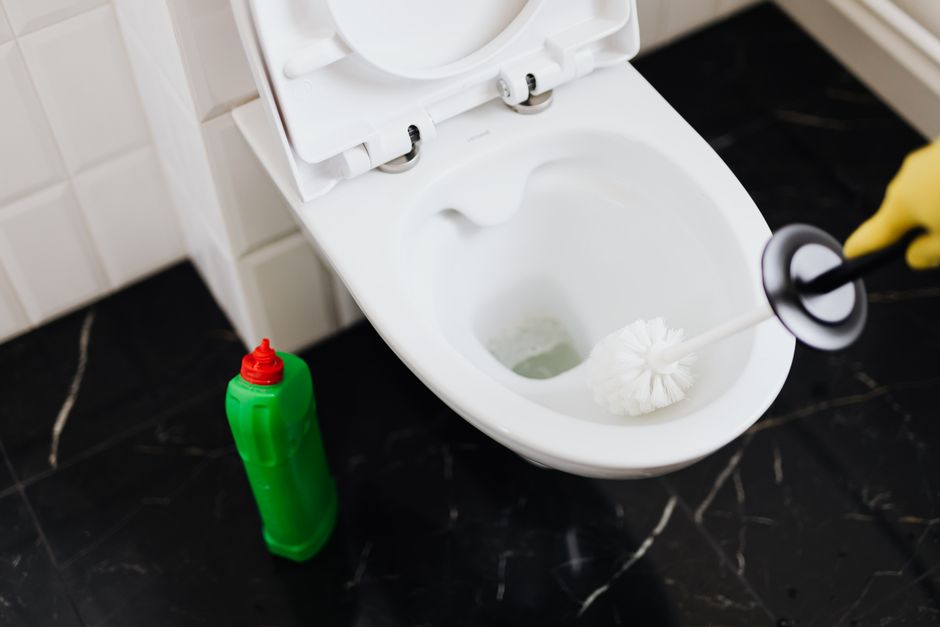
Effective DIY Fixes While Traveling
If you discover that the flapper or float valve needs replacing, you won’t require a plumbing degree to tackle it yourself. In fact, I prefer to handle minor plumbing issues without calling in a professional, especially when I’m away from home.
For replacing the toilet flapper, disconnect the chain and detach the flapper from the pegs at the bottom of the tank. Then, simply install the new flapper in reverse order. Make sure it fits snugly to create a seal, allowing the tank to fill normally without leakage. This can solve the majority of running toilet issues almost immediately.
Likewise, repairing or adjusting a float valve simply requires a manual alteration. If there’s a leak you’re unable to identify or fix yourself, it’s advisable to turn off the water supply to the toilet until you’re able to contact a plumber. This measure can prevent significant water waste and damage.
When to Call a Professional
If you’ve checked the flapper and float and still hear that incessant running, it might be time to reach out to a plumbing expert. Professional help becomes essential, especially if the issue seems to be related to more complex piping or internal mechanisms that you aren’t familiar with.
Additionally, if you’re in a rented space while traveling, it’s often best to notify the property manager. They’ll have a better understanding of the plumbing in the building and can arrange for repairs without you having to stress about it.
Worth reading alongside this: toilet attachments.
Worth reading alongside this: toilet attachments.
Conclusion: Quick Wins for Your Running Toilet
Replace the toilet flapper if you want a straightforward fix; this suits those looking for a DIY solution. For more complex issues, consider consulting a plumber to ensure thorough repairs and efficient water use. If you’re still wondering why is my toilet running continuously, it’s critical to look at the factors involved.