
When it comes to choosing a water heater, homeowners often face a decision between a heat pump water heater and a conventional water heater. Water heaters are an essential part of every home, providing hot water for bathing, cleaning, cooking, and other daily activities. While both serve the same purpose, they operate differently and offer distinct advantages and disadvantages.
This article explores the differences between heat pump and conventional water heaters, comparing their efficiency, costs, performance, environmental impact, and overall value to help you make an informed decision.
What Is a Heat Pump Water Heater?
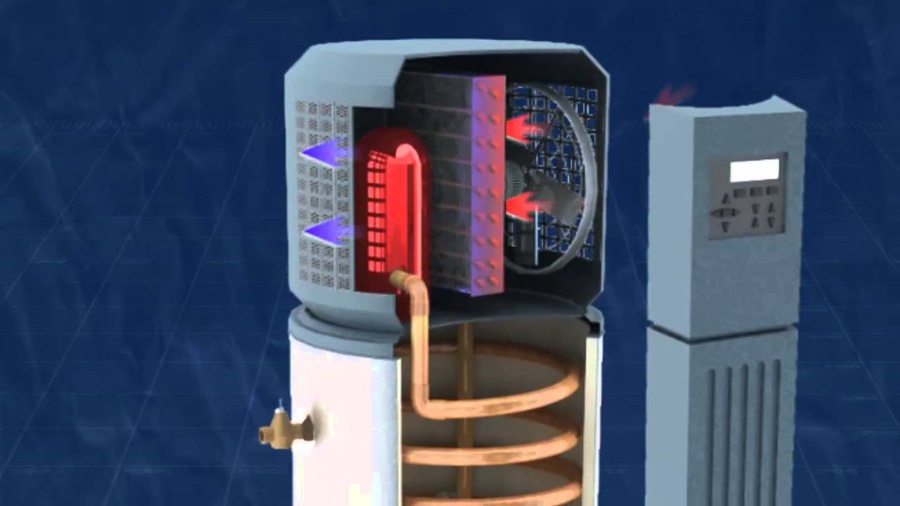
A heat pump water heater, sometimes called a hybrid water heater, uses electricity to move heat from the surrounding air into the water tank. Instead of generating heat directly, it transfers existing heat, making it significantly more energy-efficient than traditional electric water heaters.
The technology works similarly to a refrigerator but in reverse. While a refrigerator removes heat from its interior and releases it outside, a heat pump water heater extracts heat from the air and transfers it to the water stored in the tank.
What Is a Conventional Water Heater?
A conventional water heater heats water directly using either electricity or natural gas. These units store heated water in a tank and maintain the water temperature until it is needed.
Conventional water heaters have been the standard choice for decades due to their relatively low upfront cost and straightforward installation process. However, they generally consume more energy because they continually heat water and lose heat through the tank walls over time.
Energy Efficiency Comparison
One of the biggest differences between the two systems is energy efficiency.
Heat pump water heaters can be two to four times more efficient than standard electric water heaters. Because they transfer heat instead of creating it, they require significantly less electricity to operate.
Conventional electric water heaters convert electricity directly into heat. While this process is effective, it consumes much more energy. Gas-powered conventional heaters can be more efficient than older electric models, but they still typically fall behind heat pump systems in overall energy savings.
Winner: Heat Pump Water Heater
For homeowners focused on reducing energy consumption and utility bills, heat pump water heaters are the clear winner.
Installation Costs
Heat pump water heaters generally have a higher purchase and installation cost. The advanced technology and larger size contribute to the increased expense. Additionally, they require adequate airflow and space to function efficiently.
Conventional water heaters are usually less expensive to buy and install. Replacement projects are often straightforward because many homes are already equipped for conventional systems.
Winner: Conventional Water Heater
If initial affordability is the primary concern, conventional water heaters have the advantage.
Operating Costs
Although heat pump water heaters cost more upfront, they often save homeowners hundreds of dollars annually on energy bills. Over the lifespan of the unit, these savings can offset the higher purchase price.
Conventional water heaters typically have higher monthly operating costs because they use more energy to maintain hot water temperatures.
Winner: Heat Pump Water Heater
The long-term savings make heat pump systems more economical for many households.
Performance and Recovery Rate
The recovery rate refers to how quickly a water heater can reheat water after it has been used.
Conventional gas water heaters generally offer faster recovery rates than heat pump models. This can be beneficial for large families with high hot water demands.
Heat pump water heaters may take longer to heat water, particularly when operating solely in energy-saving mode. However, many modern hybrid units include electric resistance elements that provide faster heating when necessary.
Winner: Conventional Water Heater
For households requiring large amounts of hot water quickly, conventional systems may perform better.
Environmental Impact
Heat pump water heaters have a smaller carbon footprint because they use less electricity. Reduced energy consumption translates into fewer greenhouse gas emissions, especially when paired with renewable energy sources.
Conventional water heaters, particularly gas-fired models, produce higher emissions and consume more energy over their lifetime.
Winner: Heat Pump Water Heater
Environmentally conscious homeowners will generally benefit from choosing a heat pump system.
Space Requirements
Heat pump water heaters require sufficient surrounding air to extract heat effectively. They typically need larger installation spaces such as basements, garages, or utility rooms.
Conventional water heaters are more compact and can fit into smaller utility closets or confined spaces.
Winner: Conventional Water Heater
Homes with limited installation space may find conventional units more practical.
Noise Levels
Heat pump water heaters produce some noise due to their compressor and fan operation. While the sound is usually moderate, it can be noticeable in certain locations.
Conventional water heaters operate more quietly because they have fewer moving parts.
Winner: Conventional Water Heater
For noise-sensitive environments, conventional systems may be preferable.
Lifespan and Maintenance
Heat pump water heaters often last between 10 and 15 years, with some models exceeding this range when properly maintained. Regular cleaning of air filters and periodic maintenance help ensure optimal performance.
Conventional water heaters typically have a lifespan of 8 to 12 years, depending on usage, water quality, and maintenance practices.
Winner: Heat Pump Water Heater
A longer lifespan can provide additional value despite the higher upfront investment.
Pros and Cons of Heat Pump Water Heaters
Pros
- Highly energy-efficient
- Lower utility bills
- Environmentally friendly
- Longer lifespan
- Potential eligibility for rebates and incentives
Cons
- Higher upfront cost
- Requires more installation space
- Slower heating in some conditions
- Produces operational noise
Pros and Cons of Conventional Water Heaters
Pros
- Lower purchase price
- Faster hot water recovery
- Easier installation
- Works well in smaller spaces
- Generally quieter operation
Cons
- Higher energy consumption
- Increased utility costs
- Greater environmental impact
- Shorter lifespan
Which Water Heater Should You Choose?
The best choice depends on your budget, household needs, and long-term goals.
A heat pump water heater is ideal for homeowners who prioritize energy efficiency, lower utility bills, and environmental sustainability. Although the initial investment is higher, the long-term savings often justify the cost.
A conventional water heater may be a better option for those with limited budgets, restricted installation space, or high hot water demands requiring rapid recovery rates.
If that matters to you, our piece on rough in toilets more expensive goes further.
We cover vs conventional toilets a detailed in more depth separately.
If that matters to you, our piece on rough in toilets more expensive goes further.
We cover vs conventional toilets a detailed in more depth separately.
Conclusion
Both heat pump and conventional water heaters have their strengths and weaknesses. Heat pump water heaters excel in energy efficiency, operating costs, and environmental benefits, making them an excellent long-term investment. Conventional water heaters remain attractive because of their lower upfront costs, simpler installation, and reliable performance. For more detailed comparisons, check out Heat Pump vs Conventional Water Heater.
Before making a decision, consider your household’s hot water usage, available installation space, local energy prices, and budget. By evaluating these factors carefully, you can select the water heating system that best meets your needs and provides the greatest value over time.