
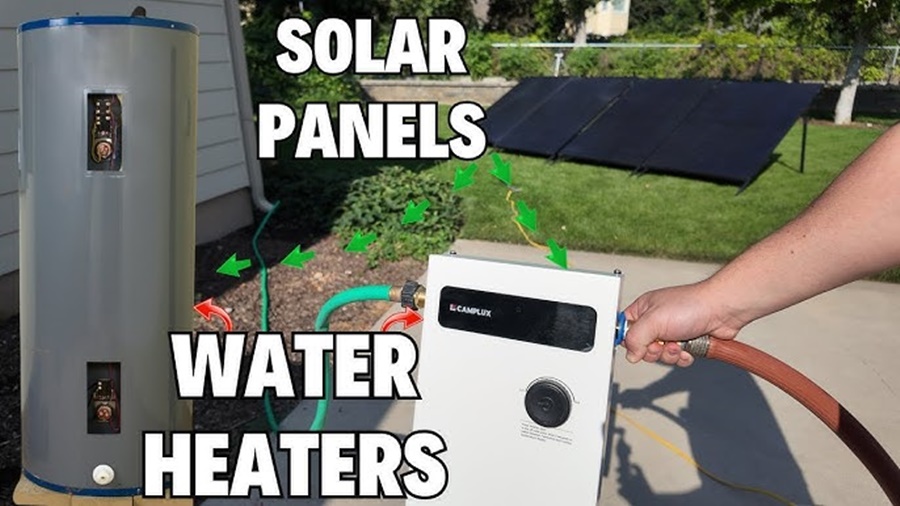
When choosing a water heating system, homeowners often compare solar water heaters and electric water heaters. Hot water is an essential part of modern living, whether for bathing, cleaning, or household chores. Both options have their advantages and disadvantages, and the best choice depends on factors such as budget, climate, energy efficiency, and long-term operating costs.
This article provides a detailed comparison between solar water heaters and electric water heaters to help you make an informed decision.

What Is a Solar Water Heater?
A solar water heater uses energy from the sun to heat water. It typically consists of solar collectors, a storage tank, pipes, and a circulation system. The collectors absorb sunlight and transfer the heat to water stored in a tank.
Solar water heaters can be active or passive systems. Active systems use pumps and controls, while passive systems rely on natural circulation.
What Is an Electric Water Heater?
An electric water heater uses electricity to heat water through heating elements installed inside a storage tank or in a tankless unit. These systems are commonly used because they are easy to install and provide a reliable supply of hot water.
Electric water heaters are available in various sizes and capacities, making them suitable for apartments, homes, and commercial buildings.
Initial Cost Comparison
Solar Water Heater
The initial installation cost of a solar water heater is generally higher. The system requires solar collectors, storage tanks, mounting structures, and professional installation.
Advantages:
- Long-term savings on energy bills
- Environmentally friendly
- May qualify for government incentives in some regions
Disadvantages:
- High upfront investment
- Installation can be more complex
Electric Water Heater
Electric water heaters are usually less expensive to purchase and install.
Advantages:
- Lower initial cost
- Easy installation
- Widely available
Disadvantages:
- Higher ongoing electricity costs
Energy Efficiency
Solar Water Heater
Solar water heaters are highly energy-efficient because they use free solar energy. Once installed, they require very little external energy input.
Benefits include:
- Reduced dependence on utility power
- Lower carbon emissions
- Significant energy savings over time
Electric Water Heater
Electric water heaters convert electrical energy into heat efficiently, but they rely entirely on electricity, which can be expensive depending on local utility rates.
Although efficient in operation, they do not provide the same level of long-term energy savings as solar systems.
Operating Costs
Solar Water Heater
Operating costs are extremely low because sunlight is free. Maintenance costs are generally limited to periodic inspections and occasional component replacement.
Homeowners can save a substantial amount on monthly energy bills over the life of the system.
Electric Water Heater
Electric water heaters consume electricity every time hot water is needed. As electricity prices rise, operating costs can become significant.
For households with high hot water demand, monthly energy bills can be noticeably higher.
Environmental Impact
Solar Water Heater
Solar water heaters are considered environmentally friendly because they use renewable energy.
Environmental benefits include:
- Reduced greenhouse gas emissions
- Lower fossil fuel consumption
- Sustainable energy utilization
Electric Water Heater
The environmental impact depends on how electricity is generated. If the electricity comes from coal or natural gas power plants, the carbon footprint can be relatively high.
Reliability and Performance
Solar Water Heater
Solar water heaters perform best in sunny climates. However, cloudy weather and rainy seasons can reduce efficiency.
Many systems include backup heating elements to ensure hot water availability during periods of low sunlight.
Electric Water Heater
Electric water heaters provide consistent performance regardless of weather conditions.
Advantages include:
- Reliable hot water supply
- Works day and night
- Suitable for all climates
Maintenance Requirements
Solar Water Heater
Solar systems require periodic maintenance such as:
- Cleaning solar collectors
- Checking pipes and connections
- Inspecting storage tanks
- Monitoring system performance
Maintenance needs are generally moderate.
Electric Water Heater
Electric water heaters require less maintenance.
Common maintenance tasks include:
- Flushing the tank
- Checking heating elements
- Inspecting electrical connections
Lifespan
Solar Water Heater
A quality solar water heater can last between 15 and 25 years or even longer with proper maintenance.
Electric Water Heater
Most electric water heaters have a lifespan of approximately 8 to 15 years depending on usage, water quality, and maintenance.
Advantages of Solar Water Heaters
- Uses free renewable energy
- Lower utility bills
- Environmentally friendly
- Long lifespan
- Reduces dependence on electricity
Disadvantages of Solar Water Heaters
- Higher upfront cost
- Performance depends on sunlight
- Requires installation space
- More complex installation process
Advantages of Electric Water Heaters
- Lower purchase price
- Easy installation
- Reliable year-round performance
- Compact design options available
- Suitable for all weather conditions
Disadvantages of Electric Water Heaters
- Higher energy bills
- Depends entirely on electricity
- Greater environmental impact
- Shorter lifespan compared to solar systems

Which One Should You Choose?
Choose a solar water heater if:
- You live in a sunny region.
- You want to reduce long-term energy costs.
- You are environmentally conscious.
- You can afford the higher initial investment.
Choose an electric water heater if:
- You need a lower-cost installation.
- You require dependable hot water regardless of weather.
- You have limited installation space.
- Your hot water demand is relatively moderate.
Conclusion
Both solar water heaters and electric water heaters have unique benefits. Solar water heaters offer excellent long-term savings, environmental advantages, and energy independence, making them ideal for sunny locations. Electric water heaters, on the other hand, provide reliable performance, lower upfront costs, and simple installation.
For homeowners looking for maximum long-term savings and sustainability, a solar water heater is often the better investment. However, for those seeking affordability and consistent performance, an electric water heater remains a practical and dependable choice. For further details on selecting the best option, refer to this Strategy Guideline: Proper Water Heater Selection.