
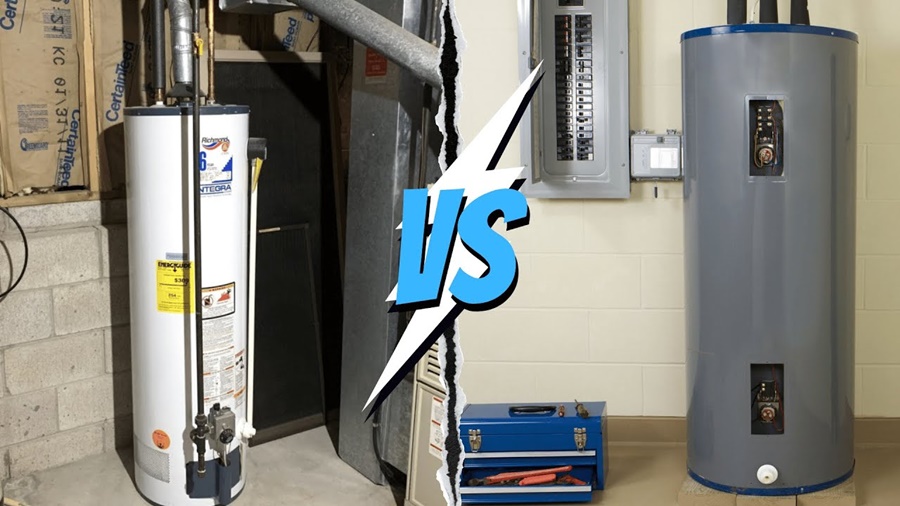
Choosing the right water heater is an important decision for any homeowner. A water heater affects your comfort, energy bills, installation costs, and long-term maintenance expenses. The two most common types are gas water heaters and electric water heaters. While both serve the same purpose providing hot water for household use they differ significantly in performance, efficiency, operating costs, and installation requirements.
This article compares gas and electric water heaters in detail to help you determine which option best suits your needs.
What Is a Gas Water Heater?
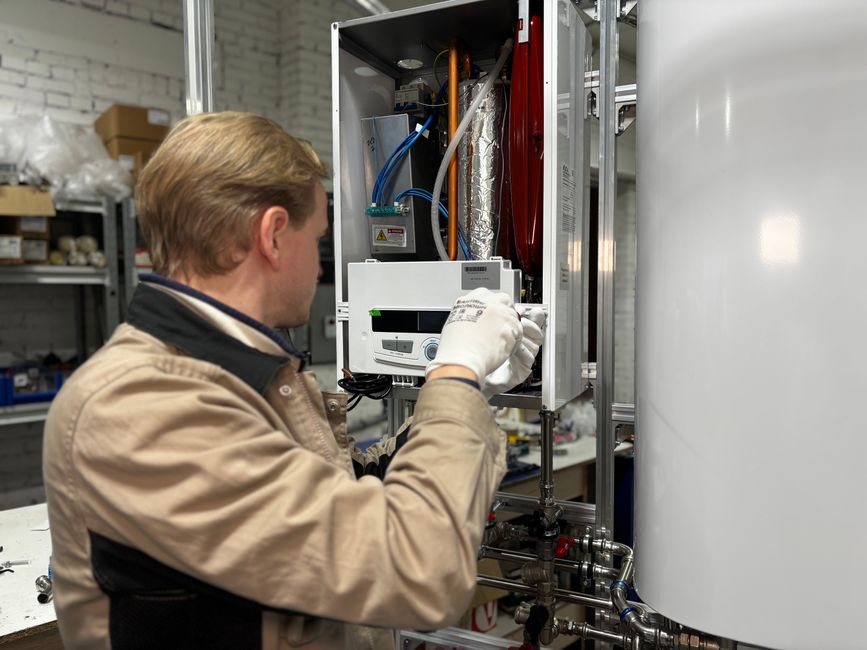
A gas water heater uses natural gas or propane to heat water. A burner located beneath the tank heats the water, which is then stored until needed. Gas water heaters are popular in areas where natural gas is readily available and affordable.
Advantages of Gas Water Heaters
1. Faster Heating Speed
Gas water heaters generally heat water more quickly than electric models. This means households with high hot-water demand can enjoy a continuous supply of hot water without long waiting times.
2. Lower Operating Costs
In many regions, natural gas costs less than electricity. As a result, gas water heaters often have lower monthly operating expenses, especially for large families that use significant amounts of hot water.
3. Works During Power Outages
Traditional gas water heaters can continue operating during electrical outages, provided they do not rely heavily on electronic controls. This can be a major advantage in areas prone to power interruptions.
4. Better for Large Households
Homes with multiple bathrooms and high hot-water usage often benefit from the faster recovery rate of gas water heaters.
Disadvantages of Gas Water Heaters
1. Higher Installation Costs
Installing a gas water heater can be more expensive because it may require gas lines, ventilation systems, and professional installation.
2. Safety Concerns
Gas appliances carry potential risks such as gas leaks, carbon monoxide emissions, and fire hazards if not properly maintained.
3. More Maintenance
Gas units generally require more frequent inspections and maintenance to ensure safe and efficient operation.
4. Lower Energy Efficiency
Many conventional gas water heaters lose heat through venting systems, making them less energy-efficient than some electric models.
What Is an Electric Water Heater?
An electric water heater uses electric heating elements inside the tank to warm water. These units are widely used because they are easy to install and do not require gas connections or venting systems.
Advantages of Electric Water Heaters
1. Higher Energy Efficiency
Electric water heaters convert nearly all the electricity they consume into heat, making them highly efficient. There is little energy loss during operation.
2. Lower Initial Installation Cost
Electric models are generally less expensive to install because they do not require gas piping or ventilation systems.
3. Safer Operation
Since there is no combustion process, electric water heaters eliminate risks associated with gas leaks and carbon monoxide emissions.
4. Easier Maintenance
Electric water heaters typically require less maintenance and have fewer mechanical components that can fail.
5. Environmentally Friendly Options
When powered by renewable energy sources such as solar or wind, electric water heaters can significantly reduce household carbon emissions.
Disadvantages of Electric Water Heaters
1. Higher Operating Costs
Electricity is often more expensive than natural gas, which can result in higher monthly utility bills.
2. Slower Heating
Electric water heaters generally take longer to heat water and recover after heavy usage.
3. Dependence on Electricity
Electric units stop working during power outages unless connected to a backup power source.
4. Limited Performance for Large Families
Households with high hot-water demand may experience shortages if the tank is undersized.
Cost Comparison
Purchase Price
Electric water heaters are usually less expensive to purchase than gas models. Homeowners can often save on upfront costs when choosing electric units.
Installation Cost
Gas water heaters usually cost more to install because of venting requirements and gas line connections. Electric models are generally simpler and quicker to install.
Operating Cost
The operating cost depends on local utility rates. In many areas, gas remains cheaper than electricity, making gas water heaters more economical over time.
Long-Term Value
Although gas units may cost more initially, lower fuel costs can offset the higher purchase and installation expenses over several years.
Energy Efficiency Comparison
Modern electric water heaters often achieve efficiency ratings above 90%, while traditional gas water heaters typically operate at lower efficiency levels.
However, high-efficiency gas condensing models have improved significantly and can compete with electric systems in terms of energy performance.
If maximum energy efficiency is your priority, electric water heaters particularly heat pump water heaters are often the better choice.
Environmental Impact
Environmental impact depends largely on how electricity is generated in your area.
- Gas water heaters produce direct greenhouse gas emissions through combustion.
- Electric water heaters produce no on-site emissions.
- Homes powered by renewable energy can make electric water heaters a cleaner and more sustainable option.
For environmentally conscious homeowners, electric models generally offer greater potential for reducing carbon footprints.
Lifespan and Durability
Both gas and electric water heaters typically last between 8 and 15 years.
Electric water heaters often have slightly longer lifespans because they contain fewer moving parts and are not exposed to combustion-related wear and tear.
Regular maintenance can extend the lifespan of either type. For more information on maintaining your water heater, check out this guide on water heater maintenance.
Which Water Heater Is Best for Your Home?
Choose a Gas Water Heater If:
- You have access to natural gas.
- Your household uses large amounts of hot water.
- You want lower monthly operating costs.
- Faster water heating is important.
- Power outages are common in your area.
Choose an Electric Water Heater If:
- You want lower installation costs.
- Energy efficiency is a priority.
- Safety is a major concern.
- You have access to renewable electricity.
- Your household has moderate hot-water demands.
Conclusion
Both gas and electric water heaters offer unique advantages. Gas water heaters provide faster heating and lower operating costs, making them ideal for larger households and areas with affordable natural gas. Electric water heaters offer superior energy efficiency, lower installation costs, safer operation, and easier maintenance.
The best choice ultimately depends on your household size, budget, local utility prices, and environmental priorities. By carefully evaluating these factors, homeowners can select a water heater that delivers reliable hot water while maximizing long-term value and efficiency.