
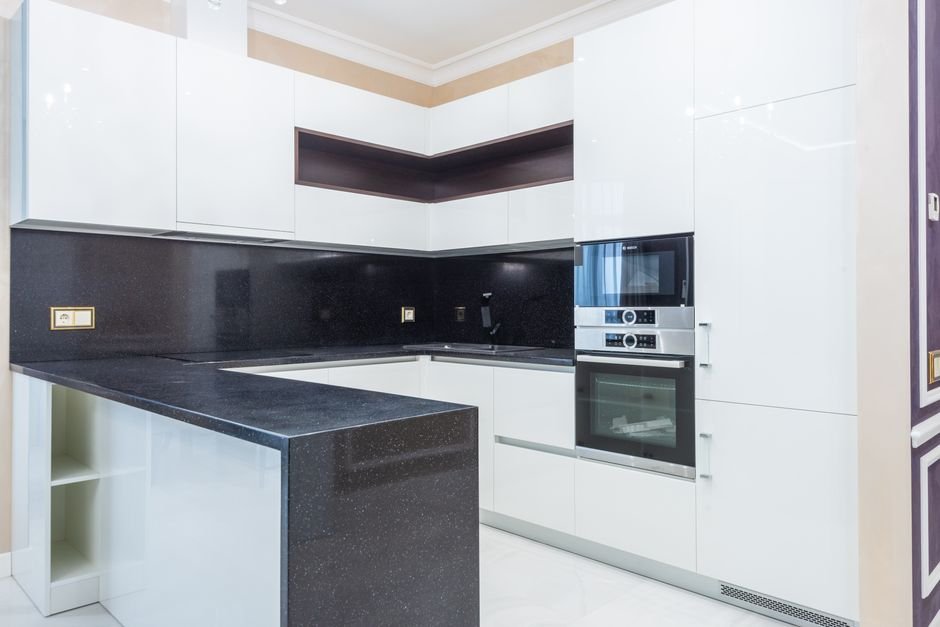
Quartz countertops reach price points between $50 to $100 per square foot, making it essential to choose wisely. Caesarstone and Silestone stand out as leading options, but they differ in key aspects that can impact your kitchen renovation. Understanding these differences is crucial for making the right decision.
In my experience, understanding the nuances in design options, durability, installation process, and costs is crucial for making an informed decision. Let’s jump into the details that often go unnoticed when comparing Caesarstone vs Silestone countertops.
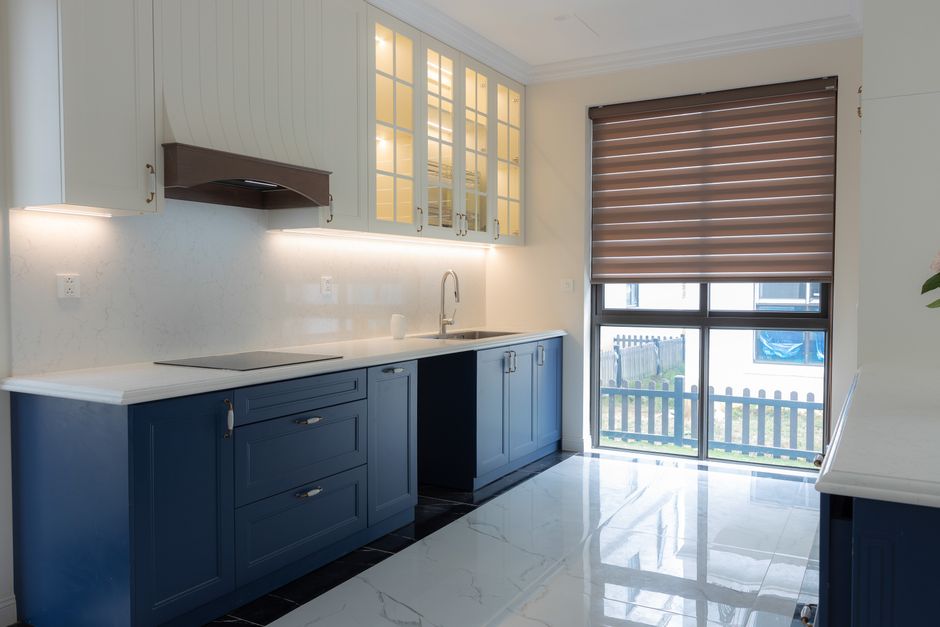
Design Options: Uncovering Unique Aesthetics
Both Caesarstone and Silestone provide a diverse range of colors and patterns, but their styles can differ significantly. Caesarstone features a more structured line-up of colors, with many that mimic natural stones such as marble and granite. I’ve noticed that their patterns often lean toward a modern aesthetic, which suits contemporary home designs.
On the other hand, Silestone tends to offer a broader spectrum that includes some more vibrant and eclectic options, allowing for bolder design choices.
For example, if you gravitate toward a sleek, uniform look, Caesarstone could be your best bet. However, if you prefer more whimsical designs with bright accents, Silestone shines in this area. It’s essential to consider your overall kitchen design trends and how each option will fit into your space before narrowing down your choices.
Comparing Durability and Maintenance
When it comes to durability, both Caesarstone and Silestone rank high as quartz countertops, thanks to their non-porous surfaces that resist staining and bacteria. However, there’s a slight difference in how each brand handles impact resistance. Caesarstone is known for being particularly strong and resilient against chips and cracks.
My personal inclination is to trust Caesarstone for high-traffic kitchens where accidents can happen more frequently.
That said, Silestone also boasts impressive durability, especially with their “Silk Surface” technology that offers a smoother finish, making cleaning easier. Maintenance for both brands is predominantly straightforward, requiring only soap and water for cleaning.
Protecting countertops with cutting boards and trivets is always wise for both choices, but Caesarstone still edges out slightly in long-term durability for those who might be prone to heavy usage.

Cost Considerations: Budgeting Wisely
Pricing for Caesarstone and Silestone varies depending on several factors, including color, finish, and regional price differences. Typically, you might find that Caesarstone tends to be slightly pricier than Silestone, largely due to its brand reputation and robustness.
However, it’s crucial to think about the long-term investment; a higher upfront cost can pay off if you intend to stay in your home for a long time.
While you could save a bit with Silestone, the potential benefits of investing in Caesarstone, like superior durability, might be well worth it. I recommend obtaining quotes for both types in your area and factoring installation costs, since both brands require professional installation.
Installation Process: What You Need to Know
Installation procedures for both Caesarstone and Silestone are rather similar, as both require professional handling due to their weight and the necessary precision for seams and edges. However, the nuances in installation can lead to varying costs and timeline considerations. Caesarstone’s thicker slabs often require specialized tools or a bit more labor-intensive work, which can drive up installation costs further.
In contrast, Silestone can be a quicker install in certain colorways that allow for less precision in seam placement. If you’re on a tight timeline, this could make Silestone more appealing. But beware! Rushing an installation can lead to quality issues down the road, so I always suggest sticking with experienced professionals who are familiar with both brands.
Making the Final Decision: Which One Wins?
Caesarstone emerges as the best choice for those prioritizing durability and modern aesthetics. However, if budget is a primary concern or if you seek a broader range of color options, Silestone is a solid alternative that still fulfills the requirements of most kitchens.
Our write-up on countertops standouts under 5 picks up where this leaves off.
Our write-up on installation cost key picks up where this leaves off.