
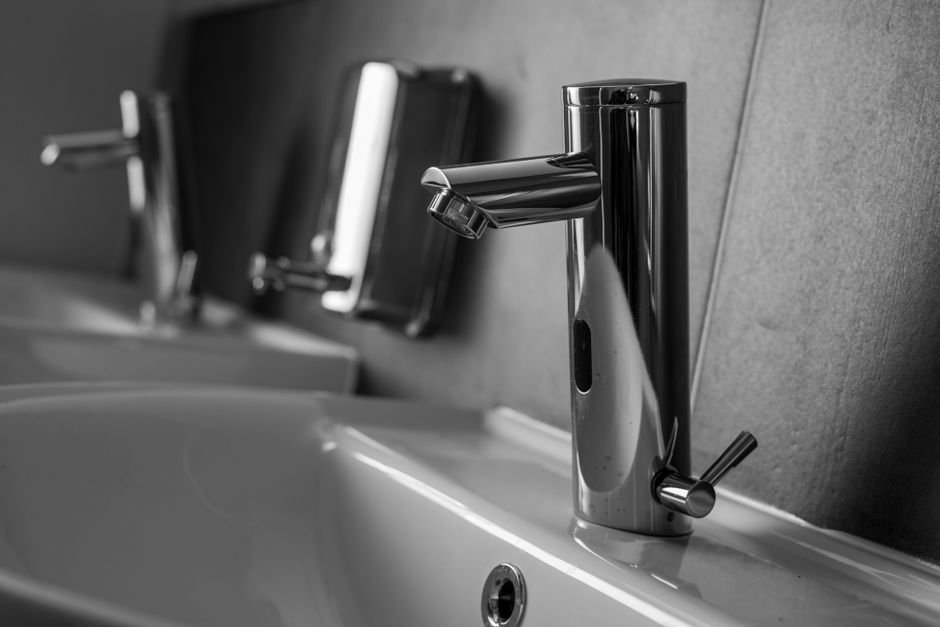
Bathroom sink installation typically costs between $150 and $500, depending on the complexity of the project and the materials chosen. Many homeowners forget to account for installation and plumbing fees, which can lead to surprises in the final bill.
To break it down, the primary contributors to bathroom sink installation costs are the sink type, materials used, labor fees, and the time required for installation. Understanding these elements will help you budget correctly and avoid unexpected expenses.
Factors Influencing Installation Costs
The type of sink you choose is one of the most significant factors affecting overall costs. For instance, a standard drop-in sink may set you back about $100 to $300, while pedestal sinks usually range from $150 to $400. In contrast, more modern vessel sinks, which sit on top of a counter, can quickly escalate between $200 and $600.
This price leap is due to their unique designs and the additional plumbing adjustments often required.
Besides sink type, the materials play a crucial role in costs. Porcelain sinks tend to be the most affordable, but composite and natural stone options like granite can significantly raise your budget. Each option has different cleaning and maintenance needs, impacting the long-term costs you might not initially consider.
Estimate Labor Costs and Installation Time
Labor fees can fluctuate between $100 and $300, depending on your location and the plumber’s experience. Some might charge a flat rate, while others bill hourly. It’s essential to get a clear estimate before hiring anyone. This step can prevent any unpleasant surprises when it comes to payment.
The installation time usually ranges from two to four hours under normal circumstances but can extend beyond that for more intricate installations or when additional plumbing work is needed. Preparing for potential complications is wise; those precious hours can rack up labor costs quickly.
DIY vs Professional Installation: Weighing the Options
If you’re considering saving money with a DIY approach, be cautious. While installing a bathroom sink yourself might look easy on paper, I’ve found that plumbing can lead to bigger issues down the line, like leaks or improper fittings. If you’re not confident in your abilities, it’s often worth the investment to hire a professional to handle the job right.
Considering that a professional might save you from costly repairs later, this choice can be financially sound.
If you do choose to tackle the installation yourself, budget time for researching local plumbing codes and necessary tools. Make sure you have everything on hand before starting your project to avoid unnecessary trips to the store and further costs. If you’re also dealing with updates to plumbing systems, my guide on water heaters could provide useful insights.
Hidden Costs: What People Often Forget
One common pitfall is overlooking hidden costs that come with installation. For example, you might need additional materials like new plumbing fixtures, seals, or traps that are not included when you buy the sink itself. These items can add an extra $50 to $150, depending on what you need.
Also, if you have to modify countertops or cabinetry to fit your new sink, those costs can pile up quickly.
Additionally, if you’re opting for more sophisticated faucets or accessories, factor in those expenses, too. A high-end faucet can range from $100 to $500 alone, and installation might require adjustments to your existing plumbing. It’s easy to see how these extras can lead to significant price jumps if you’re unprepared. If you’re looking for more information on the overall bathroom sink installation cost, additional resources could help.
Final Verdict: Know What Suits Your Needs
For budget-conscious homeowners, a simple drop-in porcelain sink is often the most economical choice when professionally installed. For those seeking higher quality or unique designs, it's essential to plan for both premium materials and skilled labor, as these options usually come with higher upfront costs.