
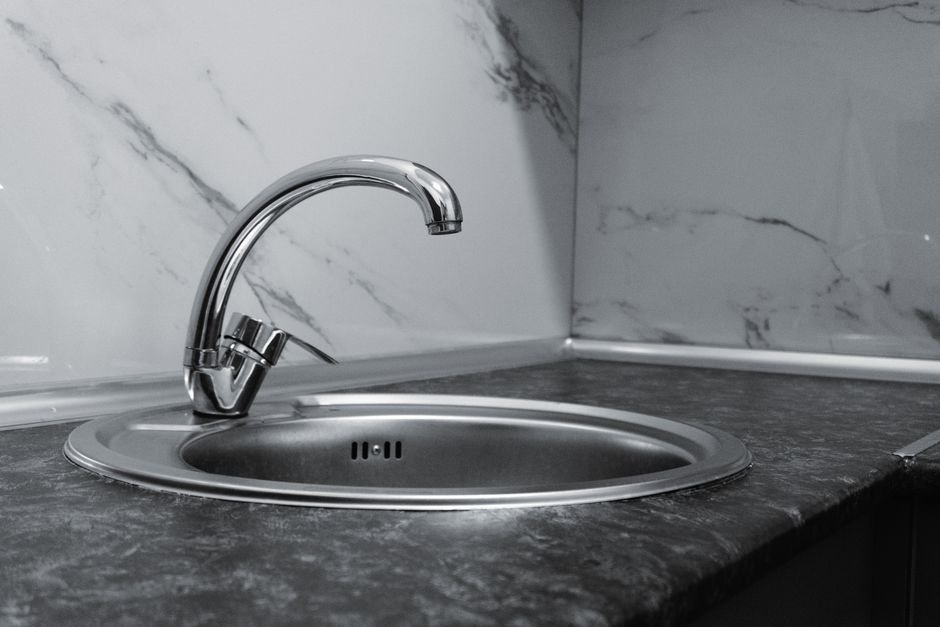
Many homeowners underestimate that a kitchen sink can cost anywhere from $100 to over $1,000, and that choice impacts both how you cook and how your kitchen looks. Selecting the right sink isn’t just about aesthetics; consider the material, installation style, and how it pairs with your faucet.
In my view, the best approach is to focus on durability and compatibility. A kitchen sink should withstand daily use and fit seamlessly into your existing setup. After all, it’s not just a basin; it’s a critical element of your kitchen workflow. Here’s what you need to consider to make the right choice.

Exploring Various Sink Materials
The material of your kitchen sink is a foundational aspect that will affect its durability, maintenance needs, and style. Stainless steel is the most popular choice, and for good reason. Its resilience against scratches and heat makes it a great option for heavy users.
While it can stain over time, a quality stainless steel sink often comes with a brushed finish that helps camouflage these issues.
Another common material is cast iron, which is known for its strength and longevity. However, it can chip and requires more maintenance than stainless steel. After using both types, I would lean towards stainless steel for its practicality and modern look, especially if you’re someone who cooks frequently.
Pore clay sinks, or fireclay, bring a different elegance to the kitchen. They resist scratches and discoloration, but they are heavier and can be more prone to cracking. This option works well in rustic or farmhouse-style kitchens but isn’t as versatile in modern designs. Remember to consider how your sink’s material will align with your lifestyle and kitchen aesthetics.
Choosing Between Undermount and Drop-In Sinks
Next, you’ll need to decide on the installation type. Undermount sinks are installed beneath the countertop, providing a cleaner look and easier cleanup with no rim to trap crumbs. They require a sturdy countertop material, like granite or quartz, to support their weight during installation.
Drop-in sinks, on the other hand, have a rim that lays over the countertop. This makes them easier to install, especially in retrofit situations. If you plan a DIY installation, drop-in may be the way to go. Personally, I’d choose undermount for new builds or major renovations, as they offer a sleek design and are easier to keep clean.
Prioritizing Faucet Compatibility
Compatibility with your faucet is another critical factor in how to choose a kitchen sink. Not all faucets work with every sink, especially when considering the number of mounting holes. If your sink has multiple holes, you’ll need to ensure your faucet matches. Additionally, if you plan to install a sprayer or soap dispenser, ensure those mounts are accounted for.
Before making your decision, verify the specifications of both your sink and faucet. If you’re uncertain, opting for a single-hole sink can offer more versatility. I recommend checking out faucet options after selecting a sink to ensure everything aligns well. For faucet solutions, see my guide on the 7 Best Touchless Kitchen Faucets to get some inspiration.
Key Factors When Picking a Kitchen Sink
Aside from the materials and installation types, consider size and configuration as key factors. Standard sizes for sinks typically range from 24 to 36 inches wide, but you should gauge the dimensions based on your kitchen layout and how much usage the sink will see. A larger sink is beneficial for those who frequently wash pots and pans, while smaller sinks are better suited for compact kitchens.
Another aspect I find crucial is the bowl configuration. Single bowls offer ample space for large tasks, whereas double bowls can help separate different kinds of work. However, double bowls can feel cramped. For versatility, I often suggest a larger single-bowl sink if space permits, as they excel in accommodating various kitchen chores without hassle.

Final Recommendations
A stainless steel undermount sink is the best choice for durability and easy cleaning, especially for those who cook frequently. For DIY enthusiasts looking for flexible installation, a drop-in sink offers an easier setup. Evaluate how each option aligns with your daily kitchen activities, and you will find a sink that meets your needs. Furthermore, understanding how to choose a kitchen sink will help you make a more informed decision.
If that matters to you, our piece on delta lahara goes further.