
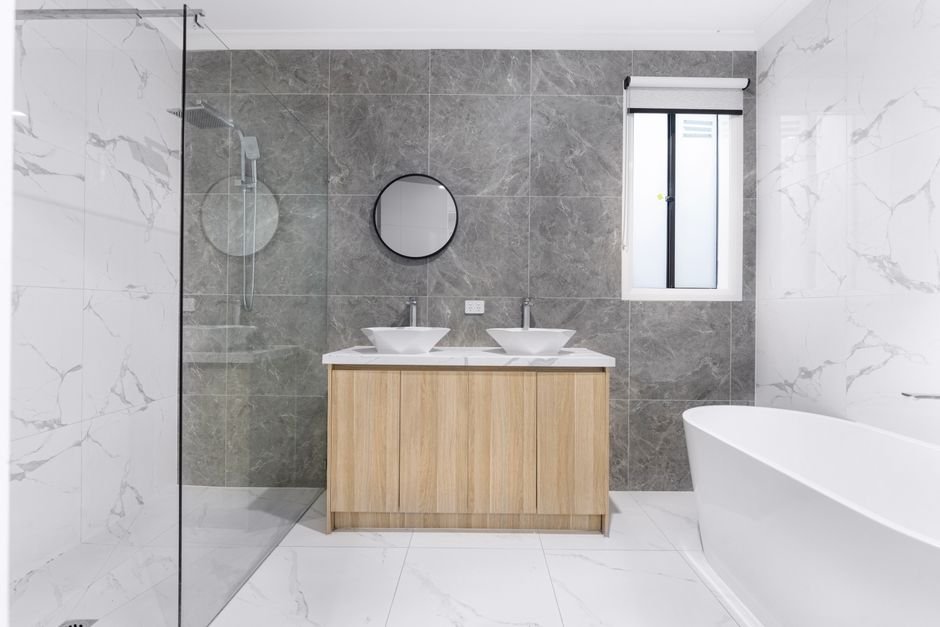
Renovating a bathroom can cost anywhere from $3,000 for a basic update to over $20,000 for a luxury remodel. The expenses are influenced by factors such as material choices, labor costs, and the project’s scale. It’s essential to grasp what affects these costs before starting your renovation.
In this guide, I’ll break down the key factors that will shape your renovation budget, focusing on the most common expenses you’ll encounter. Whether you’re planning a complete remodel or just a few updates, this information will help you get a clearer picture of what to expect financially.

Factors Influencing Bathroom Renovation Costs
The primary drivers of the costs in a bathroom renovation involve the scope of renovations, material selection, and labor expenses. It’s common to think about just the visible changes like tile installation and fixture replacement, but hidden costs often come into play.
For example, if you’re updating plumbing fixturesyou might find that plumbing costs can add up quickly. Rerouting or upgrading plumbing is labor-intensive, and even minor issues can lead to significant expenses if you’re not prepared. Similarly, if your bathroom has outdated electrical systems, this might require additional investment.
Location is another factor that can influence pricing. Urban areas tend to have higher labor costs, while rural locations might offer more cost-effective solutions. Additionally, the quality of materials you select will vary widely; natural stone can cost significantly more than ceramic tiles, affecting your overall budget.
Cost Breakdown: Materials and Labor
Let’s get into specifics. On average, the cost of materials for a mid-range bathroom remodel can range from $4,000 to $10,000, depending on what you choose to install. High-end materials can push this figure even higher. Here’s a rough breakdown:
- Tile Installation: Expect to spend between $1,000 to $3,000.
- Plumbing Costs: Generally range from $1,000 to $5,000 depending on the complexity of the work.
- Fixture Replacement: Costs for sinks, toilets, and bathtubs can add an additional $1,000 to $6,000.
- Labor Expenses: These often account for about 20% to 35% of your total budget, which could range from $1,500 to $5,000 for an average job.
It’s essential to remember that costs can escalate when you start to make changes outside of the existing layout. Moving plumbing or electrical systems will require more labor, and that’s where you need to set aside a larger budget than initially anticipated.

Hidden Costs You Need to Account For
One common mistake people make is overlooking the hidden costs in a renovation project. This includes not just the price of materials and labor, but also contingencies for unexpected expenses. It’s wise to budget an extra 10% to 20% for unforeseen complications.
Another area that often gets underestimated is the cost of permits. Depending on your location, permits for electrical, plumbing, and structural changes can add $100 to $1,000 or more to your budget. Failing to account for these can lead to frustrating delays and additional expenses.
Lastly, don’t forget about the aesthetic upgrades that might come into play. Beautiful finishes or custom cabinetry can elevate a bathroom but will also come with added costs. Always keep a clear view of how much you are willing to spend in this area.
Choosing Between DIY and Hiring Professionals
Deciding whether to go the DIY route or hire professionals can significantly impact your renovation costs. If you have experience and feel confident in your skills, you might save a considerable amount on labor expenses by completing some tasks yourself.
However, be cautious. Certain tasks, especially plumbing and electrical work, require a professional’s expertise to ensure compliance with building codes and safety standards. If you cut corners here, you may face hefty consequences down the line.
In my opinion, it’s often worth investing in professionals for critical work that affects the structural integrity or safety of your home. Consider hiring pros for plumbing, electrical work, and any major structural changes while taking on cosmetic updates yourself if you’re skilled enough.
The Verdict: How to Approach Your Bathroom Renovation Budget
Your bathroom renovation budget should reflect realistic costs based on design choices, labor needs, and potential complications. A typical bathroom remodel might set you back between $10,000 and $30,000 depending on your choices.
For those dealing with a more specialized situation, such as renovations in a mobile home, you might want to check out my detailed guide on bathroom remodeling costs in a mobile home for tailored advice.
For more, read about best budget bathroom.
There is more on bathroom fixtures elsewhere on the site.
In conclusion, my best advice is to prioritize your needs and set clear limits on your budget. Decide early whether you want to invest in premium materials or save costs in particular areas. By being structured in your approach, you’re more likely to end up with a bathroom that fits both your design dreams and financial constraints. Additionally, you can refer to this pricing guide for bathroom renovation for more insights.