
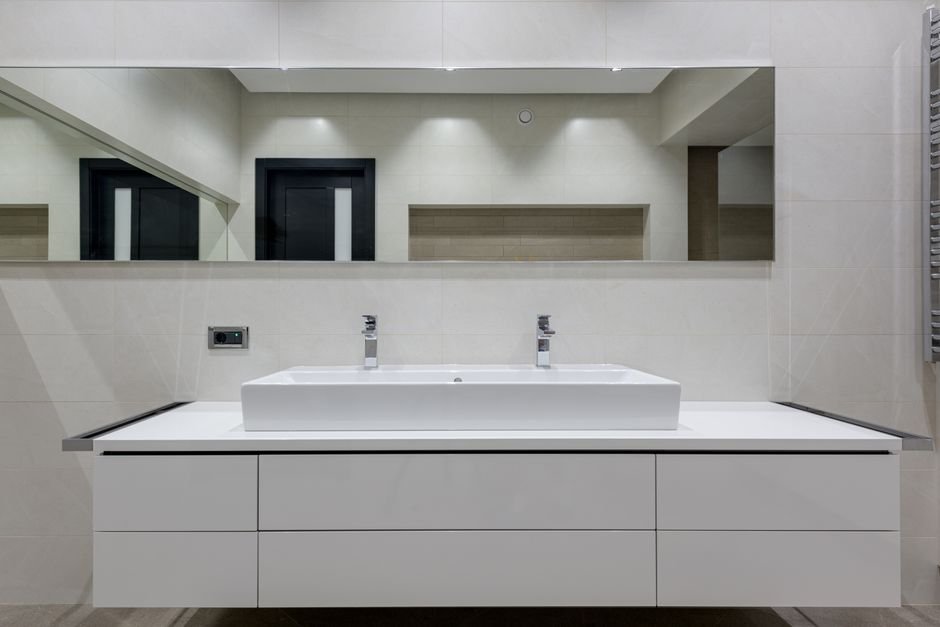
Most bathroom vanities cost between $200 and $2,000, depending on the style and materials. Installing one yourself can save you hundreds in labor costs and enhance the overall functionality and look of your bathroom.
After successfully installing my own vanity, I can assure you it’s easier than it looks with the right preparation. In this guide, I’ll walk you through the steps I took to install my bathroom vanityso you can tackle this DIY project without hassle.
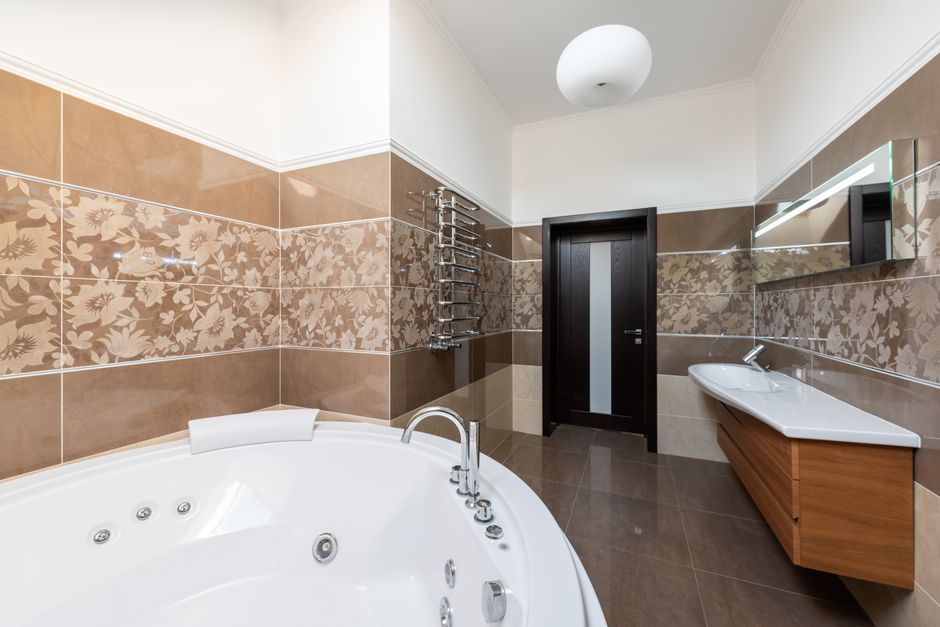
Tools and Materials Required
Preparing for the installation is key to avoiding unnecessary headaches down the line. Here’s what you’ll need:
- Bathroom vanity
- Vanity countertop (if not included)
- Sink fixture
- Plumbing connections (water supply lines and drain pipe)
- Level
- Stud finder
- Drill and drill bits
- Screwdriver
- Measuring tape
- Caulk and caulk gun
- Safety gloves and goggles
Having all your materials ready before you start will save you numerous trips to the hardware store, which is a common pitfall for many DIYers.
Step-by-Step Installation Process
Now that we have our tools, let’s dive into the actual installation process. I found that breaking it down into manageable steps kept everything organized.
First, locate the wall studs in the area where you plan to mount the vanity. Use a stud finder to avoid drilling into drywall, which could lead to instability. Measure the space to ensure your new vanity fits perfectly. If your vanity includes a countertop, make sure it aligns with your plumbing.
Once you have made a guide of the space, it’s time to position the vanity. Set it in place, using a level to make sure it’s even. Adjust as needed, and then use a pencil to mark where the vanity will be anchored to the wall. Drill your pilot holes into the studs, then secure the vanity against the wall.

Connecting Plumbing
With the vanity securely in place, you’ll want to tackle the plumbing connections next. This step is vital if you’re installing a sink fixture. Shut off the water supply and detach any existing plumbing lines.
Install the faucet according to the manufacturer’s instructions, making sure to follow any specific details regarding plumbing connections. Attach the sink to the countertop and connect the water supply lines. I recommend using flexible hoses, which are easier to work with and less likely to kink than rigid copper lines.
Always check your work for leaks. Once everything is connected, turn the water back on slowly while keeping an eye on all joint connections. Tighten as necessary.
Final Touches and Sealing Up
After you’ve installed the sink and secured all plumbing, it’s time to make the space look polished. I like to add a bead of caulk around the sink and vanity joint to prevent water from seeping underneath, which can lead to mold and structural damage over time.
Finally, install any drawer or cabinet handles, ensuring they are aligned correctly for both aesthetics and usability. It helps to stand across the room and check the overall look. If everything is as it should be, you’ll have a beautifully installed bathroom vanity.
Common Mistakes to Avoid
As someone who has tackled this project, I can tell you about some common mistakes to sidestep. One of the biggest is assuming all vanities fit standard spaces. Measure twice, cut once, be absolutely certain of your dimensions.
Another mistake is being negligent with plumbing connections. Skipping the tightness check results in leaks later, which can be costly. Finally, don’t forget to handle power tools with care and follow safety protocols. Protective gear is essential.
Verdict on DIY Vanity Installation
Installing a bathroom vanity is fairly straightforward, and if you follow these steps, you should enjoy a smooth process. The result can immediately elevate the space, both in terms of utility and style. You’ll save money on professional installation while gaining invaluable experience for future DIY projects.
If you’re also considering bathroom upgrades, check my detailed guides on choosing a bathroom sink and finding the right mirror. The right fixtures can tie your new vanity into the overall aesthetic you want to achieve.
Worth reading alongside this: bathroom vanities. For tips on how to install a bathroom vanity, be sure to consider various styles that suit your space.