
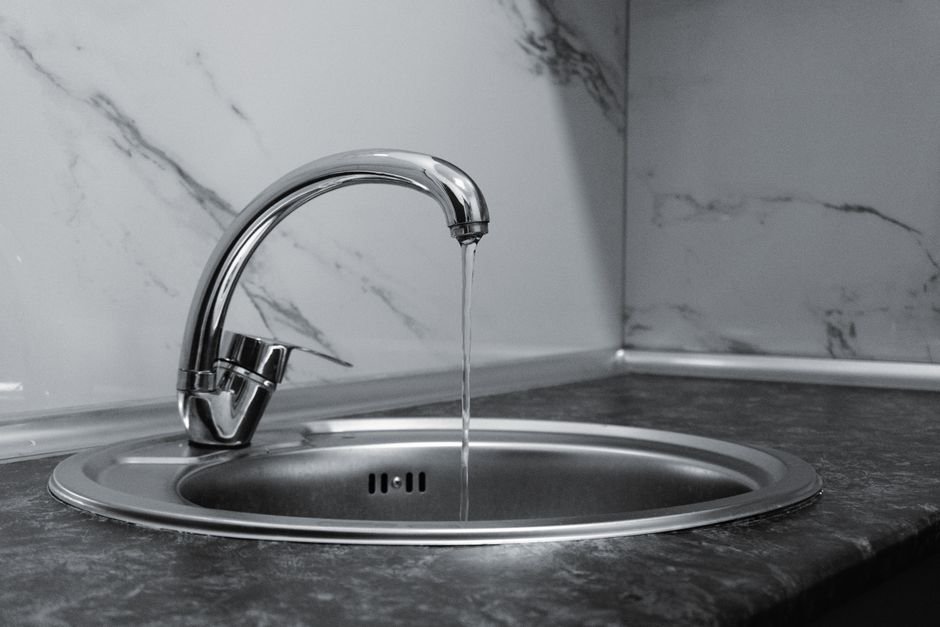
A slow-draining kitchen sink can cost homeowners an average of $200 in plumbing repairs if left unattended. Common culprits include grease build-up and food particles, which can create significant blockages. Understanding these issues is key to maintaining an efficient kitchen sink.
When I first faced a slow kitchen sinkit felt like an endless chore just to wash dishes. After figuring out the common causes and solutions, I realized that many homeowners are likely dealing with the same frustration. Let’s explore this topic so you can find a fix without long delays.
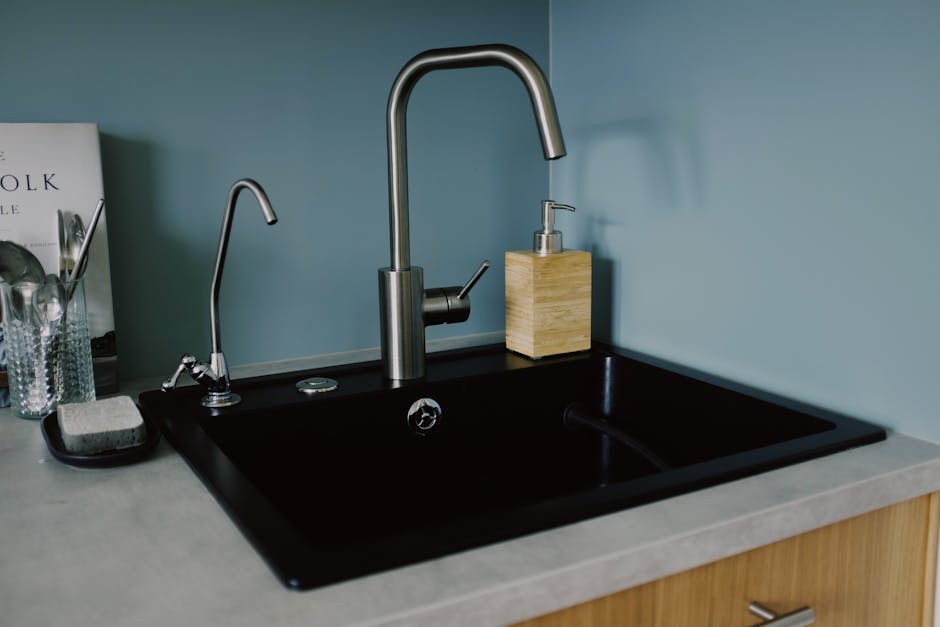
Common Causes of Slow Kitchen Sink Drainage
The most usual culprits behind slow drainage often include food particles, grease build-up, or even soap residue. Many people don’t realize that pouring grease down the sink solidifies as it cools, creating solid blocks in the pipes. It’s a common mistake; I’ve done it myself more times than I’d like to admit.
As a result, those once smooth pipes can turn into a narrow passageway for water, slowing down your drainage significantly.
Another frequent issue is hair or debris that gets caught in the trap or the pipes beneath your sink. Even small amounts can cause enough blockage over time to create noticeable drainage problems. If you have a garbage disposal, food scraps that aren’t properly ground can accumulate and contribute to this sluggishness.
It’s imperative to regularly check these areas to prevent build-up, as ignoring it can lead to more severe plumbing issues down the line.
Clogged Pipes: More than Just an Inconvenience
Many don’t consider their pipes until they notice water backing up. Clogged pipes are often the result of a mix of the factors mentioned previously, plus mineral deposits from hard water. If you haven’t cleaned your pipes in a while, using a professional drain cleaner might seem like the easy fix.
However, I recommend being cautious with chemical solutions, as they can erode pipes over time. Instead, consider mechanical methods first.
Using a drain snake or a plunger can often clear minor blockages effectively. Many people tend to overlook routine maintenance. Just like how you would regularly clean your kitchen, the plumbing also needs attention. Performing periodic checks can save you from future headaches and expensive repairs.

DIY Solutions for a Slow Draining Sink
If you’re facing a slow drain, there are several DIY methods worth trying. First, try a simple mixture of baking soda and vinegar. Pour half a cup of baking soda down the drain, followed by half a cup of vinegar. Let it sit for an hour before flushing with hot water. This method often works wonders by dissolving smaller clogs without harsh chemicals.
I’ve had great success with this method and recommend it to anyone facing similar issues.
If that fails, a plunger might be your next best option. Ensure there’s enough water in the sink to cover the plunger’s bell. Apply firm and quick plunging motions. Sometimes, the suction can dislodge a stubborn blockage. Just remember that if things don’t improve, it may be time to consult a plumber, especially if it’s an ongoing problem.
When to Call a Professional
It can be tempting to try and solve everything yourself, but some slow drain issues may indicate larger plumbing problems. If you’ve tried multiple methods and nothing seems to work, don’t hesitate to call a professional plumber. Persistent slow drainage may be a symptom of a more serious issue, such as tree roots infiltrating your pipes, which can lead to extensive damage if left unresolved.
I’ve learned that knowing when to reach out for help is crucial, and it can save you from a much larger bill in the long run.
Moreover, if you frequently experience drain issues across the house, this might mean a problem with your main sewer line. Flushing such an issue with quick fixes isn’t wise, as it could result in significant damage and costly repairs.
Important Maintenance Tips
Regular maintenance is key to keeping your kitchen sink draining smoothly. Here are some proactive measures I’ve found helpful:
- Avoid putting greasy or fibrous foods down the disposal or drain.
- Run hot water through the sink after each use to help clear residues.
- Install a strainer to catch larger food particles.
- Clean your garbage disposal regularly to avoid unpleasant odors.
- Consider scheduling annual inspections or cleanings with a professional plumber.
Preventative maintenance can save you a great deal of effort and expense in the long run. If you’re also struggling with leaking faucets, you might find my article on that subject to be helpful here.
Your Takeaway
To effectively resolve slow drain issues, consider starting with simple solutions like using a plunger or a drain snake if you're comfortable tackling minor repairs. If these methods don't work, calling a plumber is the best option for more complex blockages. Preventative measures like regular scrubbing and avoiding certain food disposals can save you from future headaches. If you’re curious about why does my kitchen sink drain slow, feel free to explore additional resources.