
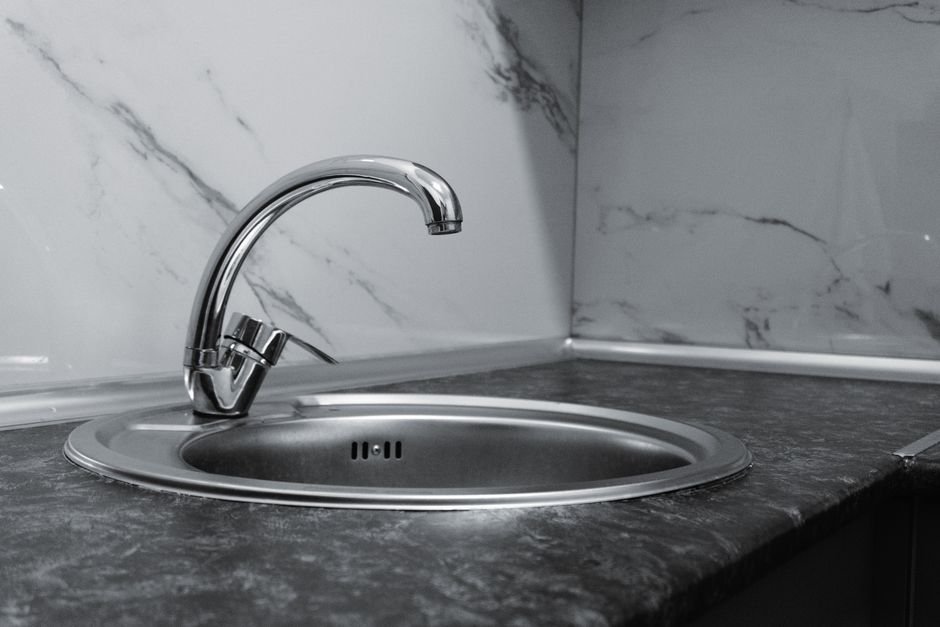
A stainless steel kitchen sink can cost between $200 and $500, but keeping it clean doesn’t have to be a costly endeavor. Those pesky streaks and stains often come from using the wrong cleaning agents. The right cleaners and methods can maintain your sink’s shine without breaking the bank.
The first step is understanding what you should be using and what you should absolutely skip. Scrubbing too hard or using abrasive cleaners can ruin your sink’s finish. An essential piece of advice? Choose a non-abrasive cleaner that won’t scratch the surface while still tackling tough stains. I’ve experimented with natural cleaning solutions like baking soda and cleaning vinegar, which can work wonders.
Let’s dive into the specifics of how to clean a stainless steel kitchen sink without streaks.
Choosing the Right Cleaners
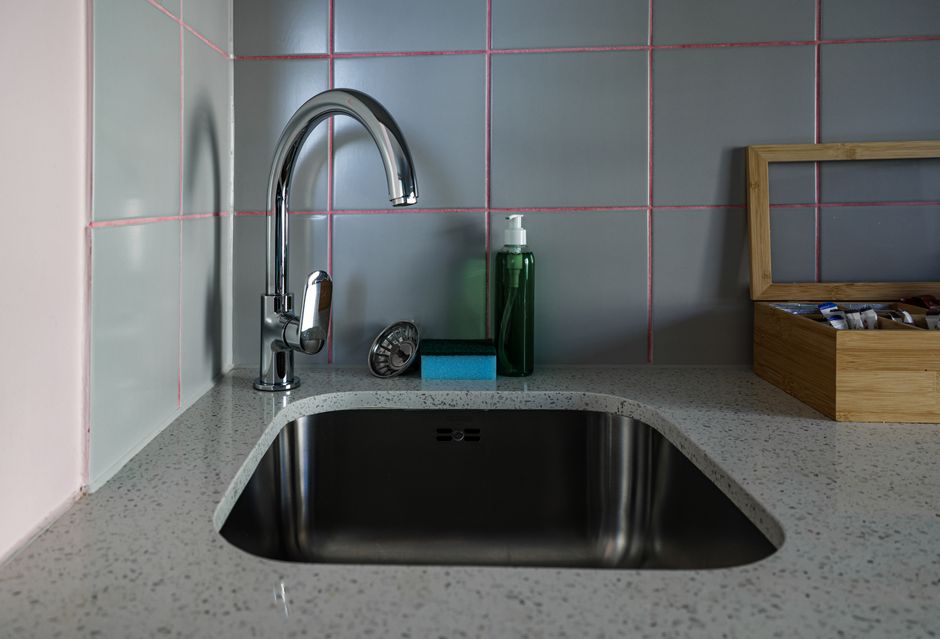
Rather than reaching for that all-purpose cleaner under the sink, I recommend opting for specific products designed for stainless steel. Multi-surface cleaners often contain chemicals that can dull the shiny finish of your sink. Instead, consider using a non-abrasive cleaner specifically formulated for stainless steel sinks.
When I clean my sink, I often rely on using a mixture of baking soda and vinegar because it’s gentle yet effective. The baking soda acts as a mild abrasive, while vinegar provides the necessary acidity to break down grime. If you’re looking for a convenient option, many brands offer stainless steel cleaners that are designed to clean and shine in one go.
Just avoid anything with bleach or ammonia, they can damage the surface over time.
Preparing for the Cleaning Process
Before you start scrubbing, gather your supplies. You’ll need:
- Non-abrasive cleaner or baking soda
- Vinegar
- Soft sponge or microfiber cloth
- Water
- Optional: olive oil for polishing
Start by rinsing your sink with warm water to remove any loose debris. It’s easy to overlook this step, but it significantly impacts the cleaning process. A quick rinse preps the surface and helps your cleaner work more effectively.
Step-by-Step Cleaning Process
Now that you’re prepped up, let’s get into the actual cleaning process. Here are the steps to follow:
- Sprinkle a generous amount of baking soda all over the sink.
- Spray or sprinkle vinegar on top of the baking soda. You’ll see it fizz, and that reaction helps lift stains.
- Let this sit for about 5-10 minutes. This waiting period allows the mixture to penetrate and loosen any stuck-on food particles and stains.
- Using a soft sponge or cloth, gently scrub the sink in the direction of the grain. Scrubbing in circles can create scratches.
- Rinse well with warm water, ensuring that all residue is washed away.
- For an extra shine, wipe down the sink with a bit of olive oil on a cloth. This technique not only enhances shine but also provides a protective barrier against future water spots.

Maintaining Your Sink’s Shine
Regular maintenance can save you time in the long run. Make it a habit to wipe down your sink with a damp cloth after each use. This prevents the buildup of stains and keeps your sink looking brand new. Additionally, consider giving your sink a more thorough clean every couple of weeks using the baking soda and vinegar trick.
If you notice hard water stains, a mix of equal parts vinegar and water in a spray bottle works wonders. Just spray, let it sit for a few minutes, and then wipe clean. It’s a simple solution that keeps your sink sparkling.
Common Mistakes to Avoid
One mistake I see often is over-scrubbing or using the wrong materials. Steel wool or rough scouring pads might feel satisfying, but they can scratch and ruin the finish. Remember to always use a soft sponge and work in the direction of the grain.
Another mistake is neglecting to rinse thoroughly after cleaning. Residual cleaner can lead to streaking, which defeats the purpose of cleaning in the first place. Always ensure that you rinse well with clean water and dry the sink afterward to prevent water spots.
Verdict on Sink Care Products
For maintaining your stainless steel sink, a simple mix of baking soda and vinegar works wonders for everyday cleaning and is budget-friendly. If you prefer commercial products, opt for those that specifically state they are safe for stainless steel; these are best for tough stains while avoiding damaging chemicals. Additionally, you can read about how to clean a stainless steel kitchen sink to ensure you are adhering to food safety guidelines.
If that matters to you, our piece on kitchen sink goes further.