
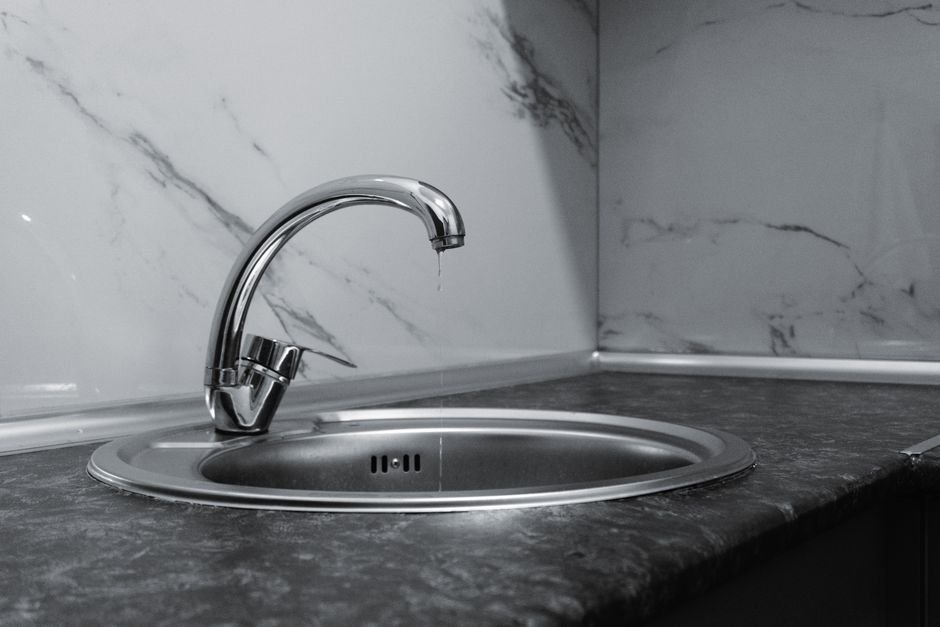
A dripping faucet can waste up to 3,000 gallons of water a year, resulting in higher monthly bills. If your sink faucet is constantly running, you're facing a common household issue that needs addressing. Fixing it is simpler than you might expect, and I'll walk you through the process.
First, it’s essential to recognize that a running faucet can stem from several issues. You might have a worn-out washer, a faulty valve, or perhaps an issue with the faucet handle itself. Assessing the specific problem early will save you time and money in the long run. Let’s dive into how you can quickly identify the issue and tackle the fixes.

Identify the Type of Faucet Issue
Whether you have a cartridge faucet, compression faucet, or a ball faucet, recognizing the specific type you own is crucial. Each type has unique components leading to different problems. For instance, if you have a compression faucet, worn washers are often the culprit. In contrast, cartridge faucets could be leaking due to a worn-out cartridge.
If you’re unsure, Google Images or a quick YouTube search can help clarify the type of faucet you own.
Getting to know the specific issue can prevent unnecessary trial and error. I’ve often seen people replace parts only to find it wasn’t the problem in the first place. That’s why I recommend questioning every aspect of your faucet before you buy new parts, this will save you not just money but a lot of time.
Gathering Necessary Tools and Materials
Once you’ve identified the problem, it’s time to gather the right tools and materials. You’ll likely need the following:
- Adjustable wrench
- Screwdriver set
- Replacement parts (washers, O-rings, cartridges as needed)
- Plumber's grease
Make sure you have everything on hand before starting the repair. Trust me, the last thing you want is to be halfway through and realize you’ve got to make a trip to the hardware store, especially when you’re already down to weekend DIY time!

Taking Apart the Faucet
With your tools ready, begin the disassembly of your faucet. Start by turning off the water supply to avoid any spurting surprises. Most faucets have a shut-off valve underneath the sink; turn it clockwise to close it. Remove the faucet handle by loosening the screw typically found underneath or behind it.
Keep track of all parts as you take them off, keeping a small container can be useful to avoid losing anything.
When you’ve taken the handle off, check for any visible signs of wear or damage. If the handle or other components look worn, it’s time to replace them. This is where a high-quality replacement becomes vital; cheap parts may fail again quickly, leading you back to square one. Go for trusted brands to ensure long-lasting repairs.
Replacing the Damaged Parts
Next, replace any worn washers, O-rings, or cartridges as necessary. For compression faucets, replace the washer at the base of the handle. If you have a cartridge faucet, swap out the entire cartridge. Don’t forget to apply plumber’s grease to the new components for a smoother function and a tighter seal.
Make sure to follow the instructions that come with your replacement part. If you skip any steps or choose to install parts incorrectly, you might find yourself dealing with the same problem in no time!
Reassembling and Testing
Once you’ve installed the new parts, reassemble your faucet in the reverse order of disassembly. Turn the water supply back on and test the faucet to see if the running issue is resolved. If everything seems solid, congratulations! If not, it could be a bigger problem like water pressure issues or even pipe leaks.
In this case, calling in a professional makes the most sense.
Keep in mind that excessively high water pressure can also cause faucets to leak. It’s wise to check your water pressure if this issue persists. If you’re curious about how to manage low water pressure, that’s a whole other topic I cover extensively here: How to Fix Low Water Pressure in Shower.
Additional Maintenance Tips
To avoid future issues, perform regular maintenance on your faucets. Periodic checks for leaks and signs of wear can save you from sudden surprises. A simple cleaning process can help prevent debris buildup, which can lead to more significant problems down the line.
If you’re planning to upgrade your sink or faucet, consider selecting high-quality fixtures that are easier to maintain and provide better durability. A faucet that lasts will save you from the hassle of repeated repairs.
We cover kohler simplice kitchen faucet in more depth separately.
Conclusion: Take Control of Your Faucets
Fixing a sink faucet that won’t stop running doesn’t have to be a daunting task. Armed with the right knowledge and tools, you can tackle this problem quickly and efficiently. If you’re tired of unending leaks and expensive bills, go ahead and take that initiative to fix your faucet today.
For those looking to further enhance their bathroom or kitchen aesthetics while avoiding future issues, check out the detailed reviews on fixtures like the Kohler K-2840-0 Bathroom Sink. It’s a great investment that blends style with function.