
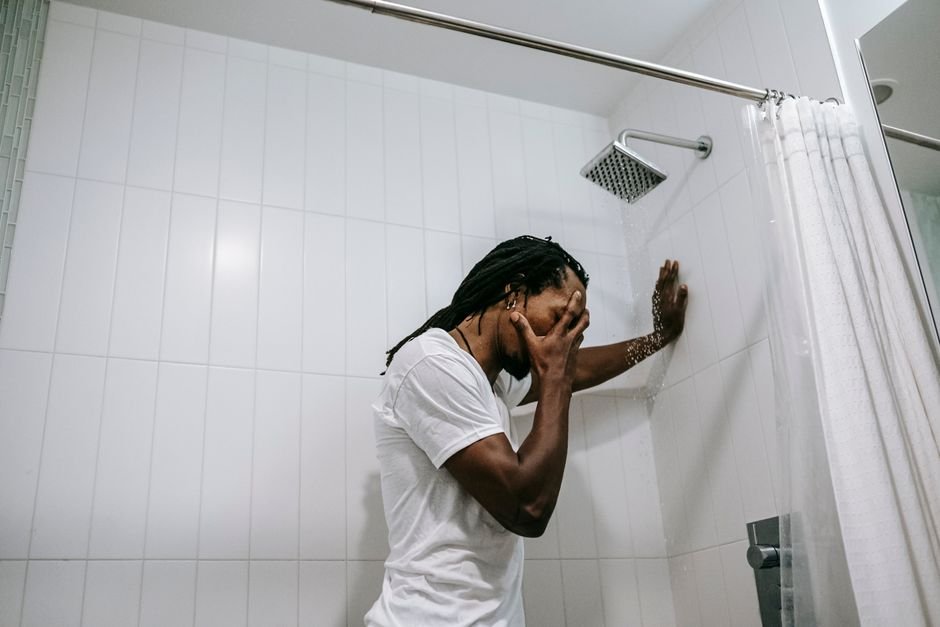
A shower should ideally provide around 2.5 gallons of water per minute, but low water pressure can reduce that to a mere trickle. This issue not only makes rinsing off soap a hassle, but it also detracts from your overall showering experience. Fortunately, you can take steps to resolve it quickly and effectively.
Before diving into the potential fixes, you need to assess your situation. Is it only your shower that’s affected, or are other fixtures feeling the pinch too? The answers to these questions will guide your troubleshooting process and help narrow down the possible causes of low water pressure in your shower.

Identifying Common Causes of Low Water Pressure
Many people jump to conclusions when they experience low water pressure, often assuming it’s a major plumbing issue. However, several often-overlooked reasons can lead to this frustration. One common mistake is not checking for water flow restrictors found in modern showerheads. These devices are designed to conserve water but can limit flow if they become clogged.
Another element to consider is the overall plumbing in your home. If the low pressure affects only one shower, your problem may be localized. However, if multiple fixtures are struggling, the issue could be with your main water supply or even municipal supply problems.
Lastly, don’t underestimate the impact of old or partially clogged pipes, which often impede water flow, leading to decreased pressure and performance.
Easy DIY Fixes for Immediate Improvement
Once you’ve identified likely culprits, it’s time to roll up your sleeves. Start by inspecting and cleaning your showerhead. Most showerheads can be easily unscrewed. Use a mixture of vinegar and water to soak the head for at least an hour, breaking down any mineral deposits that restrict water flow. I’ve done this regularly and found it to deliver impressive results almost every time.
If you’ve cleaned the showerhead and the pressure remains low, consider evaluating the water flow restrictor. Removing or adjusting it can provide that boost you need. However, be sure to follow local regulations regarding water usage; some towns have mandates regarding flow rates.
If doing a full showerhead installation is on your radar, you can opt for models specifically designed to deliver a more robust flow.

Checking for Leaks in Your Plumbing
Before going any further, search for leaks. A leak in your plumbing can drastically reduce water pressure, and often, it’s a simple issue to address. Check visible pipes under sinks, around toilets, and in your bathroom. If you notice water pooling or any damp spots, these could indicate leaks that require immediate repair.
This is where the proper tools, like a pipe wrench or a basin wrenchwill prove essential for making repairs.
If you’re not comfortable taking this on yourself, call a professional plumber. It’s worth the investment to avoid severe plumbing issues later that could lead to significant costs and headaches down the line. I’ve learned that ignoring small leaks can lead to larger plumbing disasters, often when you least expect it.
Consult the Experts: When to Call a Plumber
While DIY approaches can resolve many issues, certain circumstances call for expert intervention. If you find that low water pressure persists despite troubleshooting, it’s time to consult a plumber. They can diagnose problems with the entire water system that an untrained eye might miss, such as issues with your water heater or more severe pipe damage.
Professional plumbers carry the tools and expertise necessary to tackle complex plumbing issues, saving you time and potential future repairs. You might think you can avoid this expense, but often, the DIY route can cost more in the long run if it leads to additional problems. It’s better to err on the side of caution and ensure your plumbing is in optimal shape.
Regular Bathroom Maintenance: A Preventative Measure
To avoid recurring low water pressure problems, consistent bathroom maintenance is critical. Regularly check for accumulated scale on fixtures, inspect hoses and pipelines, and keep an eye on the functionality of your shower heads and faucets. Simple at-home inspections can save you from emergencies later.
Additionally, consider scheduling periodic plumbing inspections by a professional. These services can identify small issues before they escalate, promoting the longevity of your plumbing system. For further insights on maintaining bathroom fixtures, check out my article on how long bathroom fixtures last.
Final Recommendation: Take Action Without Delay
To effectively address low water pressure, start with cleaning the showerhead and examining for any leaks or restrictors. If these basic fixes don’t work, for more details on how to fix low water pressure in shower, reaching out to a plumber is the best option for a comprehensive solution.