
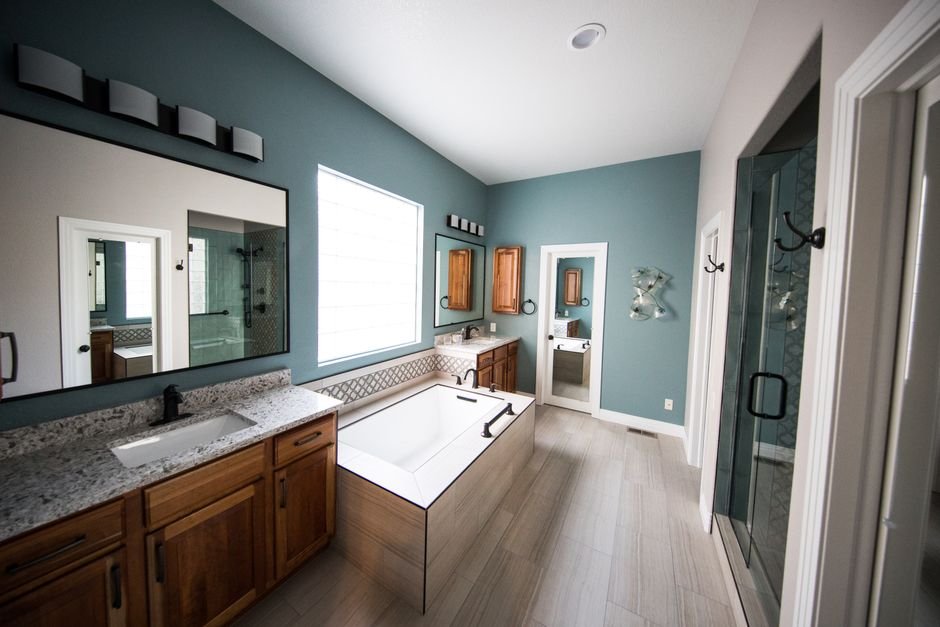
Spending an average of $10,000 on a bathroom remodel can feel daunting, especially for first-timers on a budget. However, focusing on key aspects like layout and materials can lead to significant improvements without overspending.
I’ve gathered some key insights that can help you avoid common pitfalls while ensuring your renovation is efficient and stylish. Let me share eight budget-friendly strategies that yield beautiful results.

1. Set a Realistic Budget
Determining your budget is critical before diving into any remodeling project. It sets the boundaries for everything else, from materials to labor costs. Most first-timers overlook the importance of including a contingency fund, typically around 10-20%. This buffer accounts for unexpected expenses that often arise during renovations.
Don’t just choose a number that sounds good; be honest about what you can afford and where you’re willing to compromise. For example, if you’re splurging on fixtures, consider more economical options for countertops or cabinetry.
2. Plan Your Layout Wisely
Main layout changes can significantly drive up costs due to plumbing and electrical work. If possible, keep your current layout to save money. Think about how you use your bathroom and identify what changes will enhance functionality without complete overhauls. Simple adjustments, like moving cabinet doors or reconfiguring shelving, can make an impactful difference.
Stay mindful of the Golden Triangle principle when planning the space, ensuring the sink, toilet, and shower are within a reasonable distance of each other to maximize usability.
3. Embrace DIY Renovation
If you’re handy and have the time, embracing a DIY bathroom renovation can save you a significant amount on labor costs. Tasks like painting, installing backsplashes, or even replacing fixtures can easily be done with some online tutorials at your side. Keep in mind that you should only tackle projects that match your skill level to avoid costly mistakes.
Start small to build confidence. For instance, replacing faucet handles or changing out light fixtures doesn’t require extensive tools or expertise.
4. Choose Affordable Materials
High-end materials can rapidly add up. Instead, opt for cost-effective alternatives that don’t compromise on style, such as laminate or vinyl flooring instead of tile, or engineered quartz over solid quartz. There are various options available that mimic the looks of high-end materials at a fraction of the price.
Additionally, don’t ignore second-hand shops or clearance sections at home improvement stores. You can often find quality materials that are greatly reduced.
5. Focus on Lighting
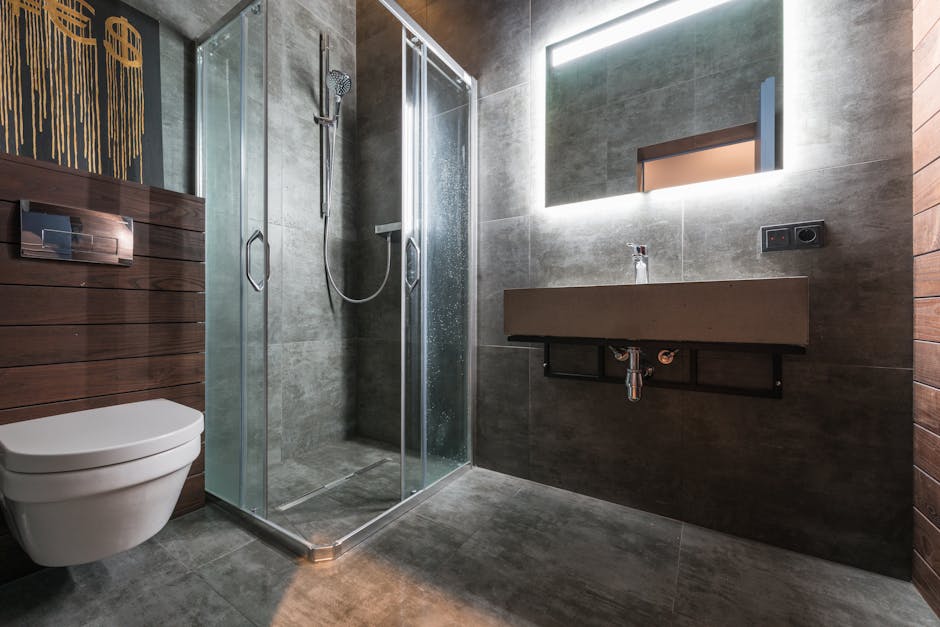
Upgrading your bathroom lighting can dramatically change its feel without overextending your budget. Good lighting enhances the overall atmosphere and serves a functional necessity. Adding dimmable lights gives you flexibility between bright task lighting and softer ambient options.
Consider using LED bulbs, which are energy-efficient and last much longer than traditional bulbs. For a quick facelift, swapping out old light fixtures for stylish sconces or pendant lights can also impart modern elegance.
6. Invest in Details
Small changes can create a substantial impact. Focus on details like drawer pullscabinet hardware, and new towels, which can provide a fresh look with minimal expense. Changing out old faucets for modern versions can also provide a fresh, stylish update without a complete renovation.
When selecting colors, consider sticking to a cohesive palette that unites different pieces. A couple of accent colors can add personality and vibrancy without overwhelming the space.
7. Think Green and Efficient
Incorporating energy-efficient appliances and fixtures isn’t just environmentally friendly; it can also save you on utility bills in the long run. Consider low-flow toilets and faucets that reduce water consumption while maintaining performance. This investment pays off over time and enhances your home’s value.
Moreover, researching and applying green materials, like recycled tile or sustainably sourced wood, can elevate your project with a modern flair.
How to Choose
Opt for peel-and-stick tiles if you're on a budget and want a quick upgrade, while a complete fixture replacement is best for those looking to make a more impactful change. Each option serves different needs depending on your time and financial flexibility.
There is more on bathroom remodeling trends elsewhere on the site.
Frequently Asked Questions
What are some beginner tips for bathroom remodeling?
Start by creating a clear plan that includes your budget, design style, and a list of necessary materials. Prioritize tasks and consider beginning with smaller projects, such as painting or replacing fixtures, to gain confidence.
How can I remodel a bathroom on a budget?
To remodel a bathroom on a budget, consider repainting cabinets instead of replacing them and using peel-and-stick tiles for flooring. Shopping sales, using reclaimed materials, and focusing on cosmetic updates can also significantly reduce costs.
What should a beginner know before remodeling a bathroom?
Beginners should understand the importance of proper planning and measurement to avoid costly mistakes. It's also essential to familiarize yourself with basic plumbing and electrical requirements to ensure compliance with safety codes.
Is it hard to remodel a bathroom yourself?
Remodeling a bathroom can be challenging, especially for beginners, due to plumbing, electrical, and design complexities. However, with careful planning and the right resources, many can successfully complete a remodel themselves.
Can a beginner handle a small bathroom renovation?
Yes, a beginner can handle a small bathroom renovation by focusing on manageable tasks such as updating fixtures, painting, and installing new accessories. Taking on a smaller project allows for a gradual learning process and builds confidence.
For additional bathroom remodeling tips for beginners, you can refer to consumer reports that offer comprehensive guidelines.