
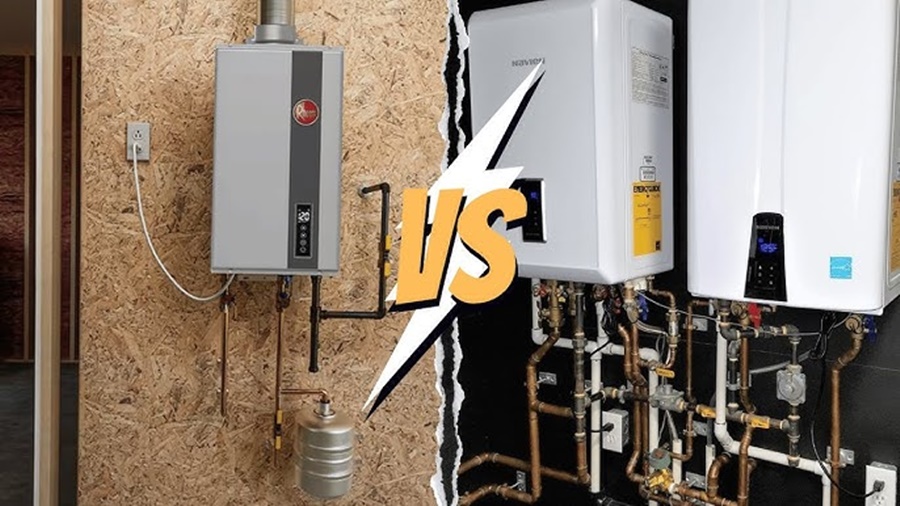
Choosing the right water heater is an important decision for homeowners and businesses alike. Modern water heaters come in different designs, but one of the most significant distinctions is between condensing and non-condensing models. While both types provide hot water efficiently, they differ in how they operate, their energy efficiency, installation requirements, and overall costs.
This article explores the key differences between condensing and non-condensing water heaters to help you determine which option best suits your needs.
What Is a Condensing Water Heater?
A condensing water heater is a high-efficiency unit designed to capture and reuse heat that would otherwise escape through the exhaust system. In traditional water heaters, hot exhaust gases are vented outside, resulting in energy loss. Condensing models use a secondary heat exchanger to extract additional heat from these gases before they leave the unit.
As the exhaust gases cool, water vapor condenses into liquid, which is where the term “condensing” comes from. The recovered heat is then used to warm incoming cold water, reducing the amount of energy needed to reach the desired temperature.
Advantages of Condensing Water Heaters
Higher Energy Efficiency
Condensing water heaters can achieve efficiency ratings above 90%, making them among the most energy-efficient water heating systems available.
Lower Utility Bills
Because they use less fuel to produce the same amount of hot water, homeowners often experience reduced energy costs over time.
Environmentally Friendly
By consuming less fuel and reducing waste heat, condensing units produce fewer greenhouse gas emissions.
Ideal for High Hot Water Demand
These systems are particularly beneficial for larger households or commercial applications where hot water usage is high.
Disadvantages of Condensing Water Heaters
Higher Initial Cost
Condensing units generally cost more to purchase and install than non-condensing models.
More Complex Installation
The system requires a condensate drain to remove the liquid produced during operation, adding complexity to the installation process.
Maintenance Requirements
Additional components such as the secondary heat exchanger and condensate system may require periodic maintenance.
What Is a Non-Condensing Water Heater?
A non-condensing water heater is the traditional type of water heating system. It heats water using a burner or heating element and vents hot exhaust gases directly outside without attempting to recover their heat.
Because much of the heat generated during combustion leaves through the exhaust, these systems are less efficient than condensing models.
Advantages of Non-Condensing Water Heaters
Lower Purchase Price
Non-condensing water heaters are typically less expensive to buy and install.
Simpler Design
With fewer components, these systems are generally easier to maintain and repair.
Proven Technology
Non-condensing water heaters have been used for decades and are widely available.
Suitable for Smaller Households
For homes with moderate hot water demand, a non-condensing unit may provide adequate performance at a lower upfront cost.
Disadvantages of Non-Condensing Water Heaters
Lower Energy Efficiency
A significant amount of heat is lost through the exhaust system, resulting in higher fuel consumption.
Higher Operating Costs
Over time, energy bills may be higher compared to condensing models.
Greater Environmental Impact
The increased fuel usage results in higher carbon emissions.
Key Differences Between Condensing and Non-Condensing Water Heaters
| Feature | Condensing Water Heater | Non-Condensing Water Heater |
|---|---|---|
| Energy Efficiency | Very High (90%+) | Moderate (70–85%) |
| Upfront Cost | Higher | Lower |
| Operating Cost | Lower | Higher |
| Installation Complexity | More Complex | Simpler |
| Exhaust Temperature | Lower | Higher |
| Environmental Impact | Lower | Higher |
| Maintenance Needs | Moderate | Low to Moderate |
| Best For | Large households, commercial use | Small to medium households |
Installation Considerations
Before selecting a water heater, consider the installation requirements.
Condensing units often use plastic venting because the exhaust gases are cooler. They also require a drain for condensate removal. In contrast, non-condensing units typically require metal venting systems capable of handling hotter exhaust temperatures.
The available space, local building codes, and existing plumbing infrastructure can influence which option is more practical.
Cost Comparison
Although condensing water heaters have a higher initial price, many homeowners recover the additional investment through energy savings over the life of the unit. The payback period depends on fuel costs, household water usage, and the efficiency difference between the two systems.
For households with high hot water consumption, the long-term savings of a condensing water heater can be substantial. For those with lower usage, the lower purchase cost of a non-condensing unit may be more appealing. For more detailed guidance on proper water heater selection, consider reviewing comprehensive resources.

Which Water Heater Should You Choose?
The right choice depends on your priorities:
- Choose a condensing water heater if you want maximum energy efficiency, lower utility bills, and reduced environmental impact.
- Choose a non-condensing water heater if you prefer a lower upfront investment and have moderate hot water needs.
- For large families or businesses with heavy hot water demand, condensing models often provide the best long-term value.
- For smaller homes with limited budgets, non-condensing units may be a practical solution.
Conclusion
Both condensing and non-condensing water heaters have their advantages and disadvantages. Condensing water heaters offer superior efficiency and lower operating costs, making them an excellent long-term investment for many households. Non-condensing water heaters, on the other hand, provide a more affordable upfront option with simpler installation and maintenance requirements.
When making your decision, consider factors such as budget, energy costs, household size, and hot water demand. By evaluating these elements carefully, you can choose a water heater that delivers reliable performance and the best value for your specific needs.