
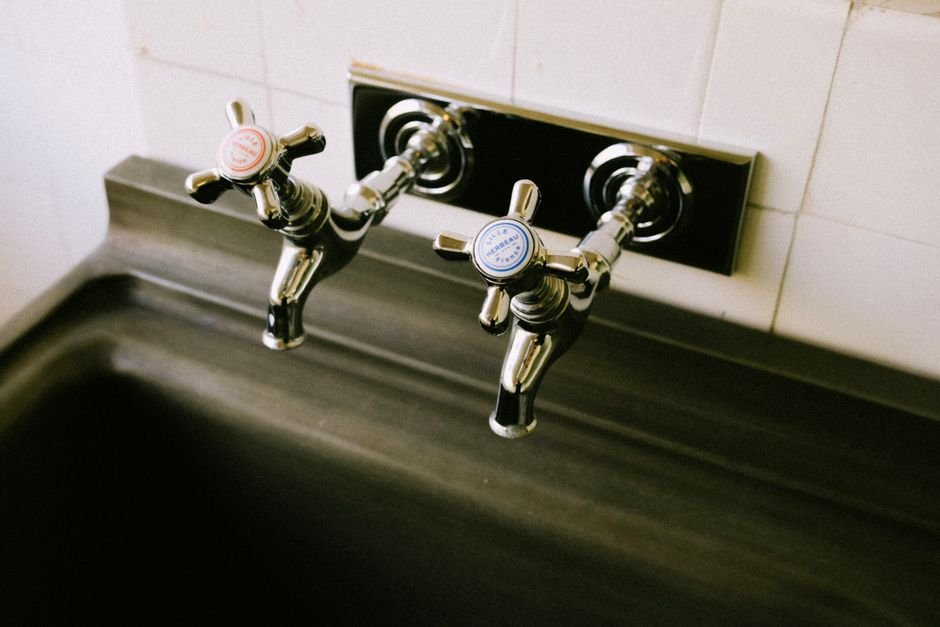
Kitchen faucets typically need replacement every 15 to 20 years. However, factors such as wear and tear, usage, and maintenance can impact this timeline significantly. Delaying a replacement can lead to more extensive plumbing issues and costly repairs down the line.
If you’re wondering, “how often should I replace my kitchen faucet?” the straightforward answer is about every 15 years. However, this can vary based on your usage, the quality of the faucet, and how well you maintain it. Additionally, there are noticeable signs that indicate your faucet might need an upgrade sooner rather than later. Let’s take a closer look.

Signs Your Kitchen Faucet Needs Replacement
Not every faucet age warrants replacement; sometimes, you can fix minor issues. Still, specific problems clearly indicate that it’s time to invest in a new faucet. If you notice frequent leaks, inconsistent water flow, or the faucet’s finish becoming worn, these are red flags. My own experience has shown that a dripping faucet can waste more than 3,000 gallons of water a year.
That’s a high cost for issues that can often be avoided with timely replacement.
Another critical indicator is low water pressure. This could stem from mineral buildup or a failing cartridge, if it’s consistently making me adjust my expectations during cooking or cleaning, I consider replacing it. Lastly, if I’m dealing with constant noise while running the faucet, especially rattling or squealing, it’s a good time to explore a replacement.
Factors Affecting Kitchen Faucet Lifespan
The lifespan of your kitchen sink faucet hinges on a few key factors. The material is paramount, brass or stainless steel faucets tend to last longer than plastic ones. While a budget plastic faucet might initially seem appealing, the wear-and-tear over time often means more frequent replacements.
If you don’t want to find yourself swapping out faucets frequently, invest in a quality product from the start.
How you maintain your faucet also plays a pivotal role. Regular cleanings help to prevent mineral buildup, extend the faucet’s life, and keep it functioning properly. Personally, I’ve found that simple rinsing with vinegar and water can do wonders. If you want tips for cleaning without causing corrosion, check out my guide on cleaning kitchen faucets.

When Should I Consider a Replacement?
It’s crucial to observe the faucet during maintenance checks. If you notice significant wear or if repairs become too frequent, it’s usually time to replace the faucet. Even if it’s functioning, outdated styles or designs can hinder your kitchen’s aesthetic. Sometimes an upgrade will not only improve functionality but elevate your home’s overall appeal.
If you find it cumbersome to use or if it no longer reflects your style, consider replacing it sooner rather than later.
More specifically, if your faucet is over a decade old and you’re noticing inefficiencies, be it leaks, rust, or inconsistent water delivery, it might be time to consider a replacement. A faulty faucet can lead to a more significant plumbing issue down the road, which will only add to the overall cost.
The Importance of Quality Installation
Another aspect to consider when replacing your kitchen faucet is the installation process. An improperly installed faucet can lead to further issues, causing you to stress about repairs earlier than expected. I always recommend hiring a professional for installation unless you’re confident in your plumbing skills. This can save headaches down the line and ultimately prolong the lifespan of your new faucet.
If you’re going the DIY route, be sure to follow manufacturer instructions closely, and don’t hesitate to consult reliable resources if you’re unsure about any part of the process.
Final Verdict: Invest Wisely
Consider replacing your kitchen faucet every 15 years, especially if you notice leaks or poor performance. A mid-range faucet is a solid choice for most homeowners, while those looking for longevity may choose a higher-end model. By addressing signs of wear promptly, you can prevent more expensive plumbing headaches in the future. For a visual perspective, check out this panoramic view of other notable locations.