
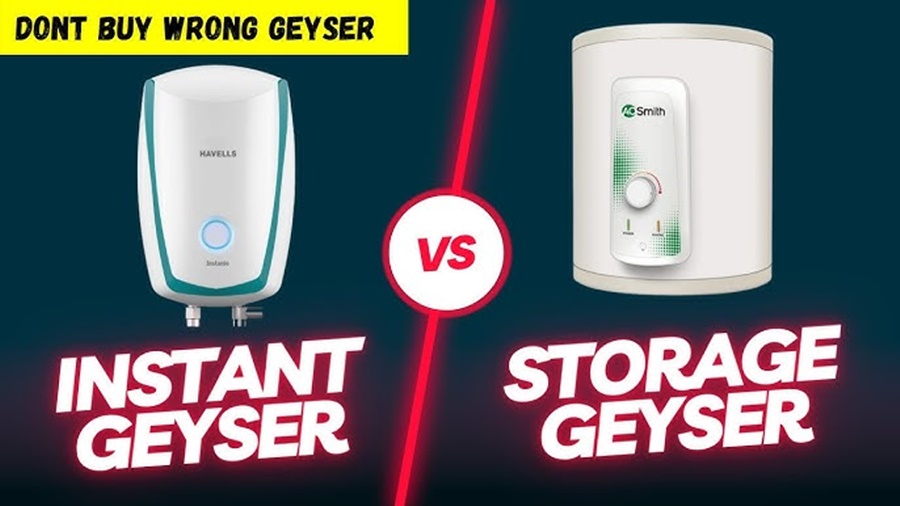
When choosing a water heater, homeowners often face a common dilemma: should they buy a storage water heater or an instant water heater? Hot water is an essential requirement in modern homes for bathing, cleaning, cooking, and other daily activities. Both options have unique advantages and disadvantages, making the choice dependent on household size, water usage patterns, budget, and energy efficiency requirements.
This article provides a detailed comparison between storage water heaters and instant water heaters to help you make an informed decision.
What is a Storage Water Heater?
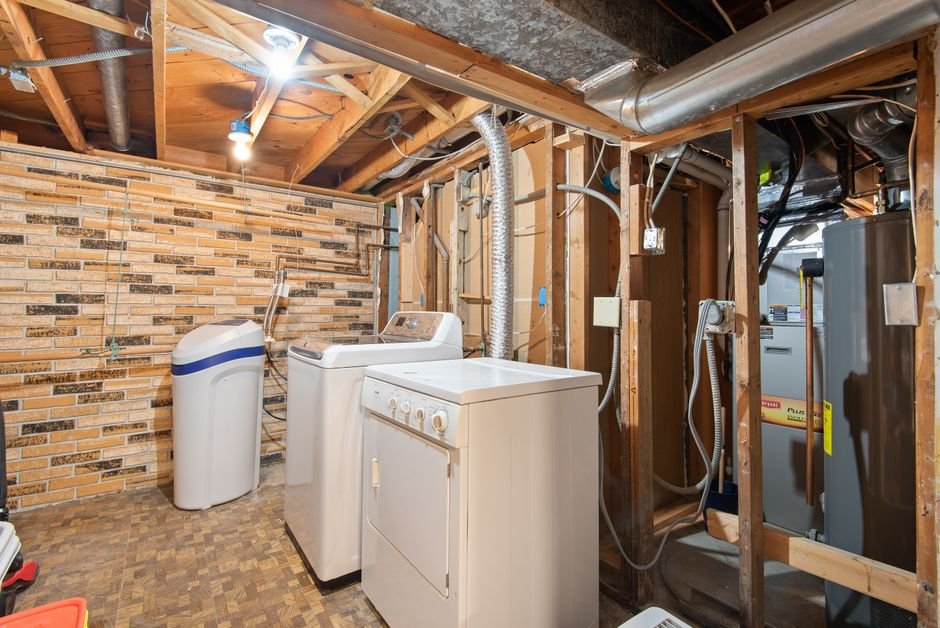
A storage water heater, also known as a tank water heater, heats and stores a specific quantity of water in an insulated tank. The heated water remains available for use whenever needed.
Storage water heaters are available in different capacities, typically ranging from 10 liters to 100 liters or more, depending on residential or commercial requirements.
How It Works
The heater warms the water inside the tank and maintains the desired temperature. When hot water is used, cold water enters the tank and is heated automatically to replace the used water.
What is an Instant Water Heater?
An instant water heater, often called a tankless water heater, heats water only when it is required. Instead of storing hot water, it passes water through a heating element that rapidly raises the temperature.
Instant water heaters are generally compact and designed to provide hot water on demand.
How It Works
When a hot water tap is turned on, cold water flows through the heating chamber. The heating element quickly warms the water before it reaches the outlet, providing immediate hot water.
Comparison Between Storage and Instant Water Heaters
1. Hot Water Availability
Storage Water Heater
- Stores a large volume of hot water.
- Suitable for multiple users.
- Can supply hot water to several outlets simultaneously.
- Once the stored hot water is exhausted, users must wait for reheating.
Instant Water Heater
- Provides hot water on demand.
- No waiting for tank heating.
- Limited flow rate compared to storage models.
- Performance may decrease if multiple outlets are used at the same time.
Winner: Storage water heater for large families; instant water heater for small households.
2. Energy Efficiency
Storage Water Heater
- Consumes energy continuously to maintain water temperature.
- Experiences standby heat loss even when hot water is not being used.
Instant Water Heater
- Heats water only when required.
- No standby heat loss.
- Generally more energy-efficient for low to moderate water usage.
Winner: Instant water heater.
3. Installation Space
Storage Water Heater
- Requires significant wall or floor space.
- Larger tanks may need stronger mounting support.
Instant Water Heater
- Compact and lightweight.
- Easily fits into small bathrooms and kitchens.
- Ideal for apartments and limited spaces.
Winner: Instant water heater.
4. Initial Cost
Storage Water Heater
- Usually less expensive for larger capacity requirements.
- Installation costs may vary depending on tank size.
Instant Water Heater
- Higher upfront cost in some cases.
- May require upgraded electrical wiring due to higher power demand.
Winner: Storage water heater for budget-conscious buyers.
5. Operating Cost
Storage Water Heater
- Higher energy consumption because it keeps water hot continuously.
- Increased electricity or gas bills over time.
Instant Water Heater
- Lower operating costs due to on-demand heating.
- More economical in the long run.
Winner: Instant water heater.
6. Water Flow and Pressure
Storage Water Heater
- Delivers consistent hot water flow.
- Suitable for bathtubs and multiple bathrooms.
Instant Water Heater
- May struggle to maintain temperature during high demand.
- Performance depends on the heater’s power rating.
Winner: Storage water heater.
7. Lifespan
Storage Water Heater
- Average lifespan of 8–15 years.
- Tank corrosion can reduce durability.
Instant Water Heater
- Average lifespan of 15–20 years.
- Fewer issues related to tank corrosion.
Winner: Instant water heater.
8. Maintenance Requirements
Storage Water Heater
- Requires periodic tank cleaning.
- Sediment buildup can reduce efficiency.
- Anode rod replacement may be necessary.
Instant Water Heater
- Lower maintenance requirements.
- Occasional descaling may be needed in hard water areas.
Winner: Instant water heater.
Advantages of Storage Water Heaters
- Suitable for large families.
- Can supply multiple bathrooms simultaneously.
- Consistent water pressure and flow.
- Better for high hot-water demand.
- Available in various tank capacities.
Disadvantages of Storage Water Heaters
- Requires more installation space.
- Higher energy consumption.
- Limited by tank capacity.
- Longer heating time.
- Potential heat loss from stored water.
Advantages of Instant Water Heaters
- Energy efficient.
- Compact design.
- Unlimited hot water supply while running.
- Longer lifespan.
- Lower maintenance costs.
Disadvantages of Instant Water Heaters
- Limited flow rate.
- May not handle multiple outlets effectively.
- Higher initial purchase cost.
- May require upgraded electrical systems.
Which Water Heater is Best for Different Users?
For Small Families (1–3 People)
An instant water heater is usually the better choice because it saves energy, occupies less space, and provides sufficient hot water for limited usage.
For Medium Families (4–6 People)
A storage water heater with adequate tank capacity is often more practical, especially when multiple family members need hot water during peak hours.
For Large Families
A storage water heater is generally the preferred option because it can handle high demand and multiple simultaneous users.
For Apartments
Instant water heaters are ideal due to their compact size and energy efficiency.
For Homes with Multiple Bathrooms
Storage water heaters typically perform better because they can supply hot water to several outlets at once.
Cost Comparison
| Feature | Storage Water Heater | Instant Water Heater |
|---|---|---|
| Initial Cost | Moderate | Moderate to High |
| Energy Consumption | Higher | Lower |
| Maintenance Cost | Moderate | Low |
| Lifespan | 8–15 Years | 15–20 Years |
| Space Requirement | High | Low |
Conclusion
Both storage and instant water heaters have their own strengths. A storage water heater is an excellent choice for larger families and households with high hot-water demand. It provides a steady supply of hot water and performs well when multiple outlets are used simultaneously.
On the other hand, an instant water heater is ideal for small families, apartments, and users who prioritize energy efficiency and space savings. It heats water only when needed, resulting in lower energy bills and a longer lifespan.
Before making a purchase, consider your family size, daily hot-water consumption, available installation space, and budget. Choosing the right water heater based on your specific needs will ensure comfort, efficiency, and long-term savings.