
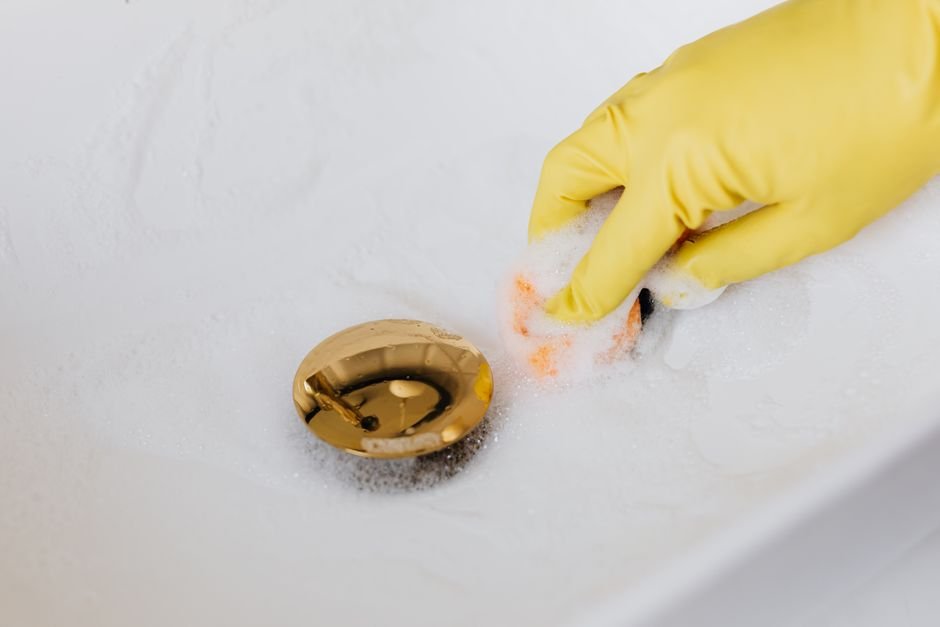
A clogged bathroom sink can lead to costly repairs, with average fix prices ranging from $100 to $300. Addressing issues like slow drainage or blockages promptly can save you money and time. Begin troubleshooting right away to get back to your routine.
Through my own experience and research, I’ve found that understanding the problem is half the battle. Below, I’ll outline specific steps to diagnose and remedy common issues with bathroom sink drains, making life a bit easier for you as a homeowner.

1. Slow Drain Diagnosis
A slow-draining sink often indicates a gradual buildup of hair, soap scum, or other debris. The first step is to think back: have you noticed your sink draining slower over time? Often, this can escalate to a full clog if not addressed promptly. Regular maintenance can be the best preventative measure for this issue.
Check for blockages in your sink’s pop-up assembly, which you can do by removing it and cleaning it out. This simple step can often clear slow-draining issues right away.
2. Complete Blockage Check
If water isn’t draining at all, it’s likely a complete blockage somewhere in the drain line. This can happen due to hair clogs deep in the pipes or the accumulation of other materials. Use a plunger to create suction, which can help dislodge the blockage. If this doesn’t work, it’s time to consider a more invasive approach.
Always be cautious with plungers. A poor technique can damage your fixtures if you apply too much force. Just use consistent, moderate pressure and see if that helps.
3. Cleaning the P-Trap
The P-trap, the curved pipe below your sink, can accumulate debris leading to clogs. It should be cleaned periodically to avoid serious blockages. To do this, place a bucket under the sink, remove the trap, and clear out any gunk. It’s a messy job, but an effective one.
The key takeaway? Always have a bucket on hand to catch any leftover water and prevent spills. It saves you from a lot of additional cleanup afterward.
4. Using a Snake or Auger
For tough clogs, a plumbing snake or auger can be incredibly effective. These tools reach deeper into the pipe and can break up blockages that other methods can’t touch. You can rent one from a hardware store if you don’t have one available. It’s a practical solution for persistent issues.
Be gentle when using a snake. You want to ensure you’re not damaging the pipes in the process, so proceed cautiously and avoid applying too much force.
5. Baking Soda and Vinegar Method
This classic natural remedy is great for minor clogs or preventative maintenance. Pour half a cup of baking soda followed by half a cup of vinegar down your sink. Let it sit for about 30 minutes, followed by hot water. The chemical reaction can effectively break down buildup in the pipes.
This method is not a lengthy process, making it a perfect candidate for a quick fix. However, if the clog persists, you should investigate further using other tools or techniques.
6. Inspecting for Venting Issues
Sometimes, the issue might not be a blockage but rather inadequate venting. Poor ventilation can cause slow drainage because it prevents air from flowing into the plumbing system. Inspect your plumbing vents and make sure they are clear of obstructions.
This is a less obvious aspect of plumbing maintenance, but solve this before tackling other fixes. You might save time on problems that seem unrelated but have a common root.

How to Choose
For effective drainage solutions, start with cleaning the trap for minor issues, suitable for most homeowners. If that does not resolve the problem, consider using a plumber's snake, which is better for stubborn clogs. Regular maintenance like using a baking soda and vinegar treatment can help prevent future issues. If you’re interested in a more comprehensive approach to troubleshooting bathroom sink drain issues, exploring resources can educate you further.
Frequently Asked Questions
How do you unclog a bathroom sink drain?
To unclog a bathroom sink drain, start by removing any visible debris from the sink and pop-up assembly. Then, use a plunger specifically designed for sinks or a plumber's snake to clear the blockage. If these methods fail, consider pouring a mixture of baking soda and vinegar into the drain, followed by hot water to help dissolve the clog.
What causes a bathroom sink to drain slowly?
A bathroom sink can drain slowly due to a buildup of hair, soap scum, or other debris in the pipe. Additionally, mineral deposits can accumulate over time, reducing the pipe's diameter and causing drainage issues. Improperly installed plumbing or venting can also contribute to slow drainage.
Can baking soda damage plumbing?
Baking soda is generally safe for plumbing when used in moderation, especially when combined with vinegar. However, excessive use or mixing it with other harsh chemicals might create unwanted reactions. Always follow the correct ratios and methods to avoid potential plumbing issues.
Why does my sink keep getting clogged?
Repeated clogs in a bathroom sink can occur due to a consistent buildup of hair, soap, toothpaste, and other materials that accumulate over time. Poor drainage design or venting issues can exacerbate the problem. Regular maintenance and cleaning can help prevent further clogs.
Is it safe to use chemical drain cleaners?
Chemical drain cleaners can be effective but may pose risks to plumbing and the environment. They can cause corrosion in pipes if used excessively and may not be safe for all types of plumbing systems. Always read the labels carefully and consider using more natural methods for clearing clogs when possible.