
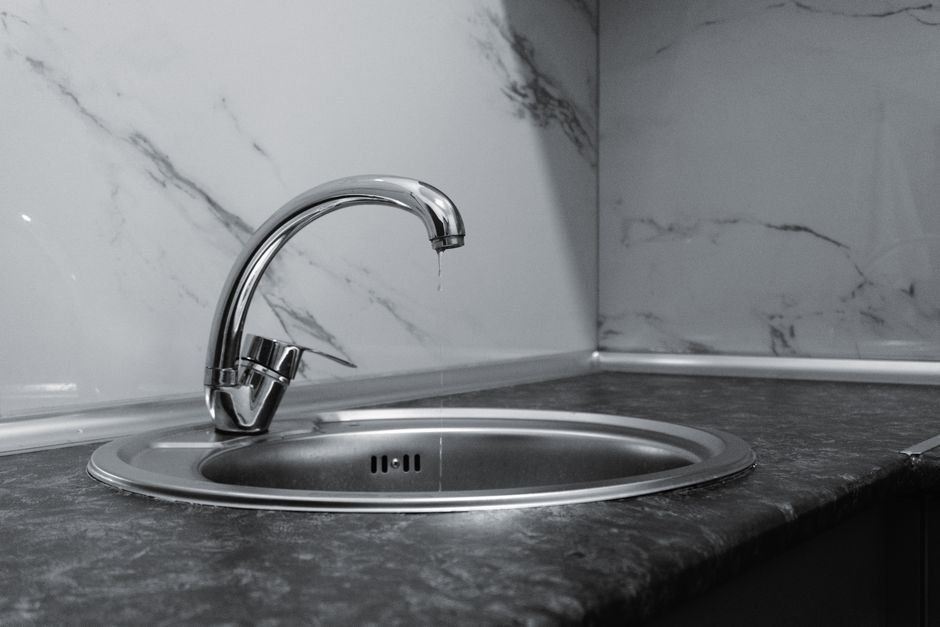
A leaky kitchen faucet can waste over 3,000 gallons of water annually. If you're dealing with drips, reduced water flow, or a handle that won't budge, it's essential to address these issues quickly. Here are seven common problems you'll encounter with kitchen faucets and practical solutions for each.
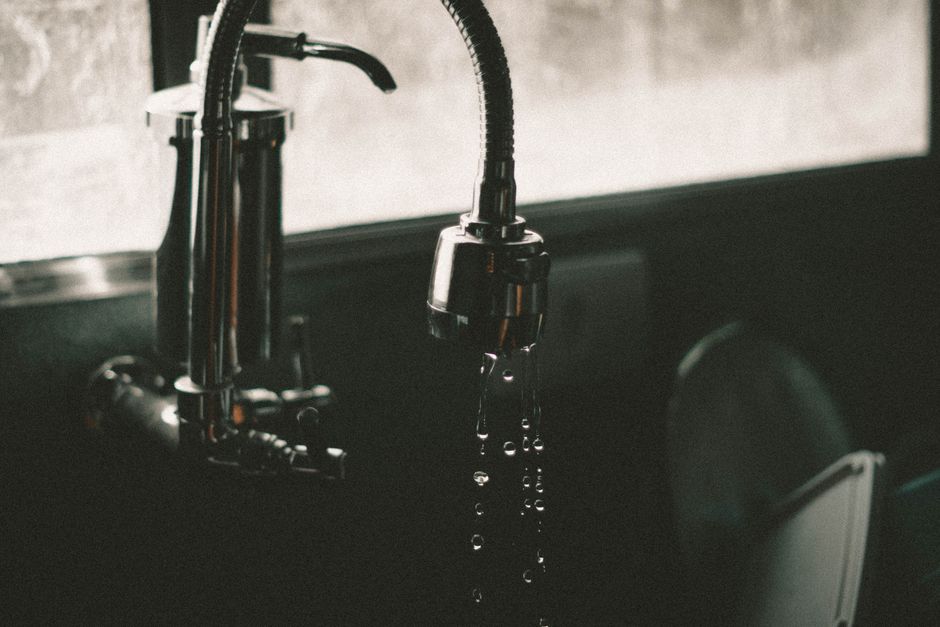
1. Leaking Kitchen Faucet
A leaking faucet is not just an annoying drip; it can waste a lot of water and increase your water bill. Often, the culprit is a worn-out washer or O-ring that needs replacement. This issue is particularly common with compression faucets, which use rubber washers to seal the water flow. Anyone can attempt this fix with basic tools, and it’s generally straightforward.
Tip: To check for a leak, cover the sink drain with a cloth to catch any drips. This way, you’ll see if water actually collects there, if so, it’s time to disassemble and inspect.
2. Low Water Pressure
If recent dishwashing feels like a chore, poor water pressure might be the cause. High mineral content can clog faucet aeratorswhich restricts flow. This issue can be prevalent in homes with older plumbing. If you’re struggling with low pressure, cleaning the aerator is a simple first step. Most people find this is a quick fix that can save a lot of frustration.
Tip: Unscrew the aerator from the sink’s end and soak it in vinegar to dissolve mineral buildup. Use an old toothbrush to scrub it clean before reassembling.

3. Faucet Handle Issues
Faucet handle problems, like stiffness or resistance, can make simple tasks laborious. Usually, this can be attributed to a buildup of grime or corrosion at the base. Some faucets also have a cartridge that can become stuck. For anyone who does their fair share of cooking, addressing handle issues is essential for a smooth workflow in the kitchen.
Tip: Use some silicone grease on moving parts after you disassemble the faucet to keep things running smoothly.
4. No Water Flow
Experiencing no water flow can be a real shock while preparing meals. This might occur due to a damaged shut-off valve or an obstruction in the supply line. It’s especially frustrating if you need the faucet for cooking and cleaning up. You’ll want to address this immediately, as it halts your entire kitchen operation.
Tip: Check the supply lines under the sink for kinks or breaks. Open and close the shut-off valves to ensure they’re functioning and allowing water flow.
5. Strange Noises
If your faucet makes annoying noises like banging or popping sounds when turned on, it could indicate air in the pipes or water hammer. This noise is more than just irritating; it can damage your plumbing over time. It’s a common complaint, but many overlook it thinking it’s just part of the system.
Tip: Installing a water hammer arrestor can absorb the shock caused by the sudden stop of running water, effectively silencing those loud bangs.
6. Corroded Faucets
Corrosion is often a sign of neglect or age and might lead to leaks or breakage. If you notice brown spots or rust on your faucet, it’s time for a replacement. This problem is often overlooked until it becomes a significant issue, especially in older homes with metal fixtures. A corroded faucet can look ugly and can affect water quality.
Tip: Regular cleaning with gentle, acidic solutions like vinegar can help minimize rust and corrosion on the surface, extending the life of your faucet.
7. Faucet Goes Cold Quickly
If you’re struggling to maintain a constant temperature while washing your hands or vegetables, this might relate to a malfunctioning mixing valve or cartridge. It’s vital for anyone who wants precise control over water temperature, especially if you’re preparing food often.
Tip: Replacing the cartridge is typically an easy fix that can be done in less than an hour, often without professional help. Just make sure to turn off the water supply first!
Making the Most of Your Kitchen Faucet
For straightforward faucet issues, attempt a DIY repair to save time and money. If the problem persists or seems too complex, don't hesitate to contact a professional plumber who can properly troubleshoot and fix the issue.
Frequently Asked Questions
What causes a kitchen faucet to leak?
A kitchen faucet may leak due to worn-out washers or O-rings, loose connections, or corrosion within the faucet's components. Over time, these parts can degrade, leading to water escaping from the faucet.
How do I fix low water pressure in my kitchen faucet?
To fix low water pressure in your kitchen faucetfirst check for any clogs in the aerator or supply lines. You may also need to inspect the shut-off valves under the sink to ensure they are fully open.
Why is my kitchen faucet handle difficult to turn?
If your kitchen faucet handle is difficult to turn, it may be due to mineral buildup, a worn-out cartridge, or issues with the faucet's internal mechanism. Cleaning or replacing these components can often resolve the problem.
Can a faulty faucet cartridge cause leaks?
Yes, a faulty faucet cartridge can indeed cause leaks, as it is responsible for controlling the flow of water through the faucet. If the cartridge is damaged or worn out, it might fail to create a proper seal, leading to leaks.
How do I replace a kitchen faucet aerator?
To replace a kitchen faucet aerator, first, unscrew it from the end of the faucet spout by turning it counterclockwise. Once removed, clean any debris from the threads, then install a new aerator by screwing it in clockwise until it is snug.