
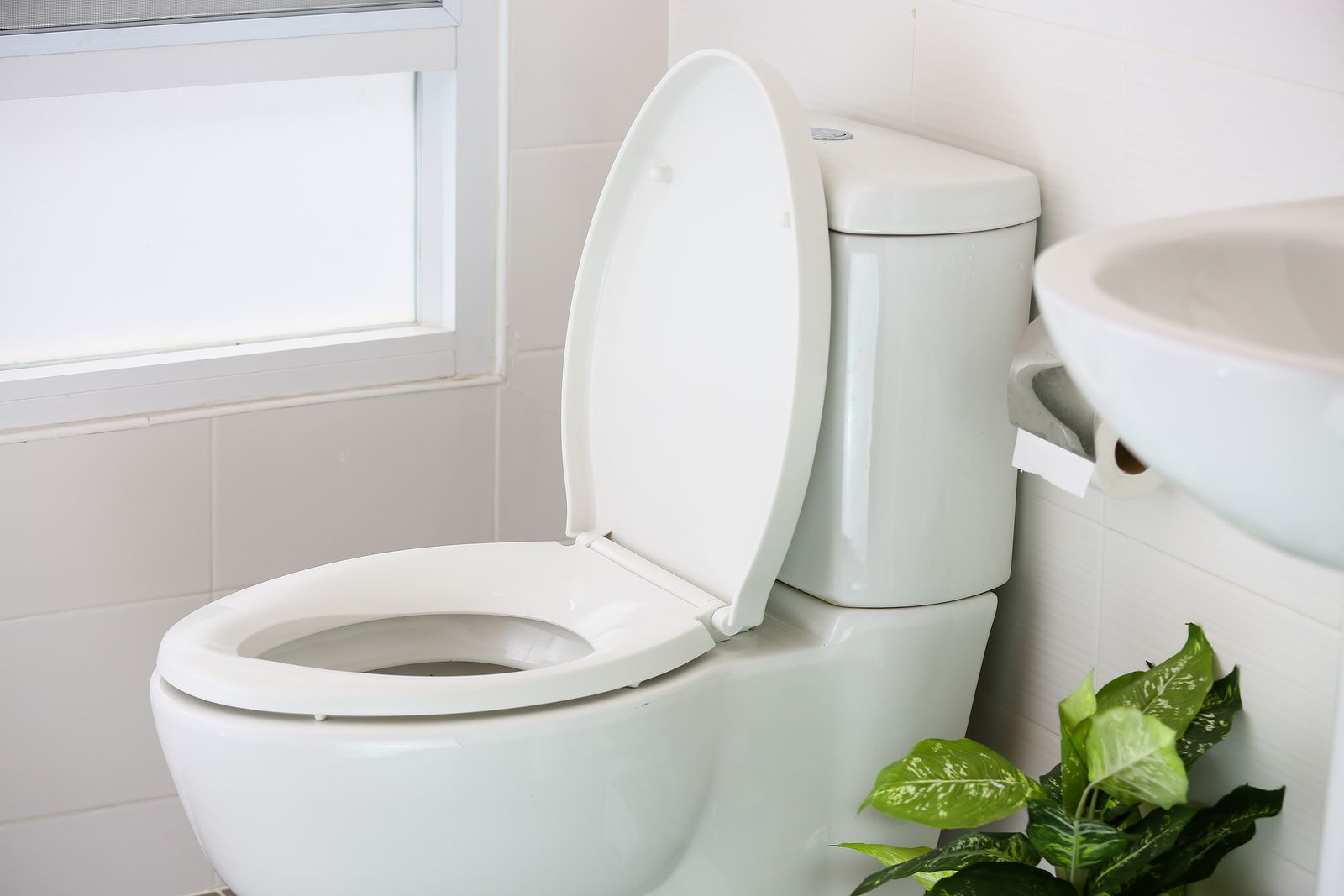
Flushing the toilet is a daily routine for most people, but have you ever stopped to wonder what happens behind the scenes? This article delves into the fascinating journey of wastewater from your home to treatment facilities, exploring the mechanics of toilet flushing, the plumbing involved, and the processes used in wastewater treatment.
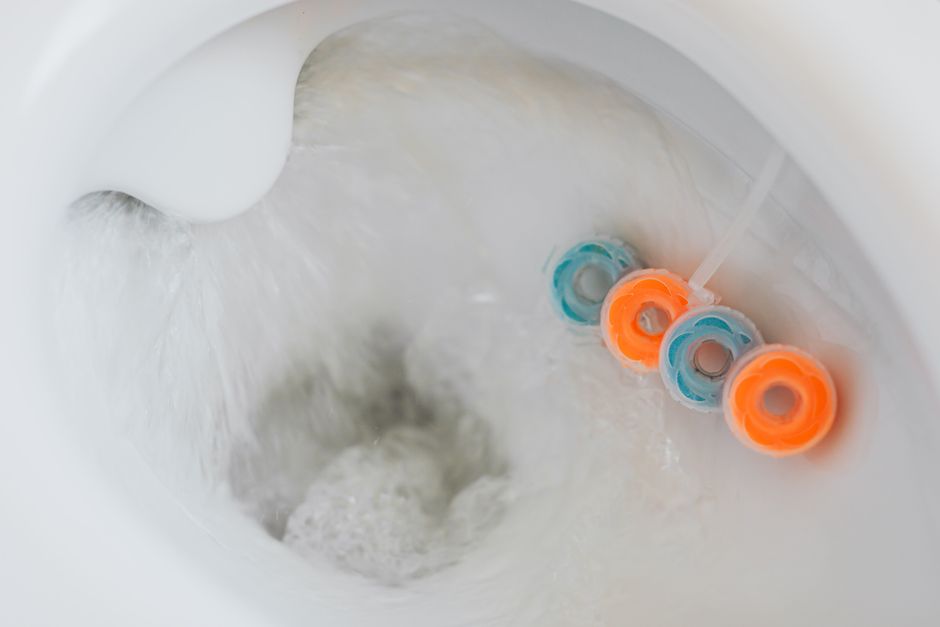
1. The Mechanism of Flushing
1.The Toilet Components
A typical toilet consists of several key components:
Tank: Stores water until it’s needed for flushing.
Bowl: Where waste is collected.
Flapper Valve: Opens to release water from the tank into the bowl when you flush.
Float Mechanism: Controls the water level in the tank.
2. The Flushing Process
When you pull the handle:
1. The flapper valve lifts, releasing water from the tank into the bowl.
2. The rush of water pushes waste down the drain.
3. The float mechanism triggers the refill process, allowing the tank to fill back up.
2. The Plumbing System
1. Drainage Pipes
After flushing, waste travels through the toilet’s siphon, which creates a vacuum that pulls the contents down through the drainage pipes. These pipes are usually made of PVC or cast iron and are designed to prevent backflow.
2. Main Sewer Line
From the toilet, waste enters the main sewer line, which transports it to the municipal wastewater treatment plant or a septic system.
3. Wastewater Treatment Process
1. Collection
At the treatment facility, wastewater is collected in large tanks where solid waste settles at the bottom, forming sludge.
2. Primary Treatment
In the primary treatment phase, the solid materials are removed through physical processes like screening and sedimentation. This step reduces the volume of solids before further treatment.
3. Secondary Treatment
Next, the wastewater undergoes secondary treatment, typically through biological processes:
Aerobic Bacteria: These bacteria break down organic matter in the presence of oxygen.
Activated Sludge Process: Air is pumped into tanks to encourage bacterial growth, which helps decompose waste.
4. Tertiary Treatment
In some facilities, a tertiary treatment stage is added, involving filtration and disinfection processes. Chlorination or UV light may be used to eliminate harmful pathogens.
4. Disposal and Reuse
1. Discharge into Water Bodies
After treatment, the clean water is usually released into nearby rivers, lakes, or oceans, where it can safely mix with natural water bodies.
2. Reuse of Treated Water
In some areas, treated wastewater is reused for irrigation, industrial processes, or even as potable water through advanced purification methods.
5. Environmental Impact
1. Water Conservation
Understanding the flushing process highlights the importance of conserving water. Low-flow toilets and mindful flushing can significantly reduce water consumption.
2. Pollution Control
Effective wastewater treatment helps protect ecosystems from pollutants, ensuring that water bodies remain healthy for wildlife and human recreation.
Cost Considerations in Toilet Maintenance
Understanding the costs associated with your toilet can help you make informed choices. Basic repairs, such as fixing a flapper or replacing a handle, can cost between $20 and $50. However, if you need to replace crucial components, prices may rise to $100 or more.
Water usage is another financial factor. Older toilets can use up to 3.5 gallons per flush, while modern, high-efficiency models often consume only 1.28 gallons. Consider replacing older units to reduce your water bill.
Investing in a dual-flush toilet is a practical option. These models separate solid and liquid waste, allowing you to choose a low-volume flush for liquid waste. Although the initial cost might be higher, the savings on water bills can accumulate over time.
Regular Maintenance Tips
Maintaining your toilet is crucial for efficiency and performance. Start by inspecting it for leaks. Add a few drops of food coloring to the tank. If it seeps into the bowl after 15 minutes, you likely need a new flapper.
Next, clean hard-to-reach areas. Use a toilet brush to scrub under the rim and remove stains. For deeper cleans, consider a vinegar solution to combat mineral buildup, which can affect performance.
Lastly, schedule a professional inspection every few years. A plumber can identify issues that are not immediately visible, preventing costly repairs down the line.
There is more on toilet when the power elsewhere on the site.
There is more on toilet when the power elsewhere on the site.
If that matters to you, our piece on flush the toilet while showering goes further.
Conclusion
Flushing the toilet may seem like a simple act, but it initiates a complex process involving plumbing, engineering, and environmental science. By appreciating this journey, we can become more conscious of our water usage and the importance of maintaining effective wastewater treatment systems.
The next time you flush, remember what happens when you flush the toilet and the vital role it plays in sanitation and environmental health.