
Many homeowners spend between $50 to $200 per square foot on kitchen countertops, often prioritizing looks over maintenance costs. This mistake can lead to unexpected expenses later on. Knowing the best material for your kitchen countertops is crucial to achieve a balance between style and durability.
Granite, quartz, marble, and solid surface materials are some of the most popular options available. Each offers distinct advantages and disadvantages, so knowing their characteristics can help you make an informed choice. Let’s break down these materials to help you find the right match for your kitchen.

Comparing Popular Countertop Materials
Granite countertops are known for their natural beauty and timeless appeal. They range from about $40 to $100 per square foot, depending on the type and origin of the stone. Their durability is unparalleled; a properly sealed granite surface can last a lifetime with minimal care. However, they require regular sealing, typically once a year, to maintain their resistance to stains and spills.
On the other hand, quartz countertops provide a slightly more modern look, with prices around $50 to $150 per square foot. Unlike granite, quartz is engineered, combining natural quartz crystals with resins and pigments. This process allows for a wider variety of colors and patterns. Quartz is non-porous, meaning you don’t have to worry about sealing or staining, making maintenance easier. However, it can be slightly less heat-resistant than granite, which is something to consider if you often place hot cookware directly on your countertops.
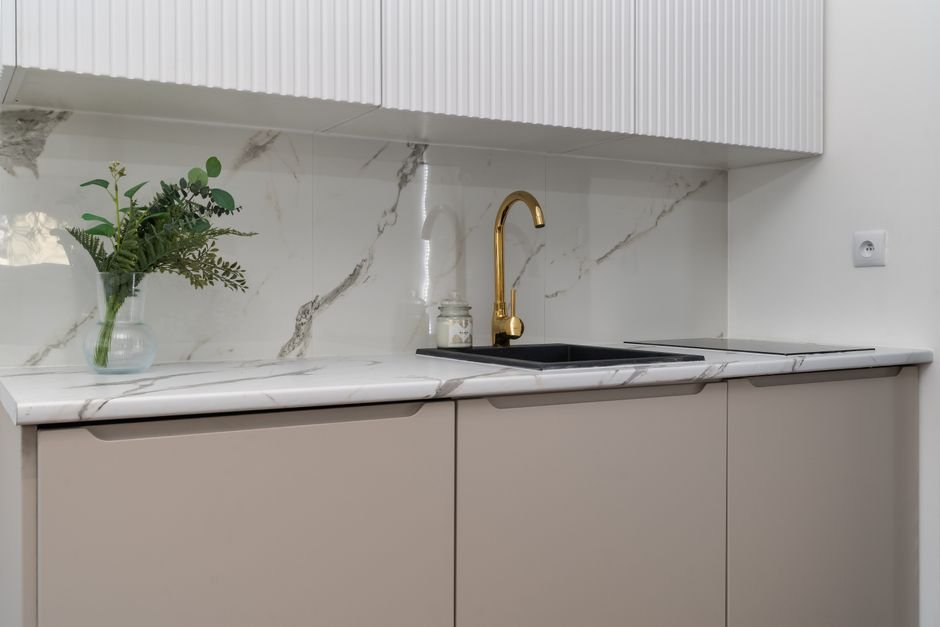
Marble kitchen countertops are exceptionally elegant, often used in high-end designs for their unique veining and color variations. Unfortunately, they come with a higher price tag, averaging $50 to $200 per square foot. They’re softer than granite or quartz, making them more susceptible to scratches and stains. Regular sealing is also necessary, usually every six months, to protect them from spills, which can easily etch the surface. If you love the luxurious look of marble, just be prepared for the extra care involved.
Solid surface countertops, like Corian, offer versatility and ease of maintenance, generally costing between $35 to $100 per square foot. They can be seamlessly fabricated into sinks and backsplashes, allowing for a cohesive design. Solid surfaces are non-porous and can be easily repaired if scratched or damaged, which makes them appealing for busy kitchens. However, they don’t have the same heat resistance as other materials and might require more care to avoid discoloration.
Pros and Cons: Granite vs. Quartz
When it comes to granite and quartz, the choice often boils down to personal preference versus practical considerations. If you crave the look of natural stone and don’t mind a bit of maintenance, granite is a fantastic option. It’s an investment that stands the test of time, especially if you choose a quality installation.
Conversely, if you want a lower-maintenance choice and a broader color palette, quartz becomes more appealing. It offers a perfect blend of durability and aesthetic flexibility, making it suitable for modern kitchens. One key insight is that some homeowners might initially opt for granite because of its beauty, only to find the upkeep not worth the hassle as time goes on.
Ultimately, both granite and quartz have their merits, but if you’re looking for ease of care and a wide range of options, I’ll lean toward quartz. However, for classic elegance and longevity, granite can’t be overlooked.
The Long-Term Costs Nobody Talks About
People often focus solely on upfront costs when selecting kitchen countertops, but the long-term costs can differ significantly depending on the material. For instance, while granite may be more expensive initially, the need for regular sealing and potential repair costs can add up. If you don’t seal it properly, you risk damaging the surface, which can lead to costly repairs.
On the other hand, quartz requires minimal upkeep, offering peace of mind. Since it’s non-porous, you won’t deal with staining issues that can arise with granite. Marble adds another layer of complexity, with costs creeping in from both higher maintenance and the potential need for repair due to its softer nature.
For anyone on a budget or looking for a long-term investment, it’s wise to factor in these ongoing costs. Many overlook this step, leading to an expensive lesson down the road.
Choosing the Best Fit for Your Lifestyle
Consider your cooking habits and how often your kitchen sees heavy traffic. If you love to cook, both granite and quartz are excellent choices due to their durability. However, if your kitchen is more of a social gathering place than a culinary hub, solid surfaces may provide the aesthetic you want with less worry about maintenance.
If you’re drawn to the stunning visuals of marble, consider pairing it with more durable surfaces in higher-risk areas, like near the stove or sink, where spills might occur frequently. If you have kids, you might want to steer clear of softer materials that can scratch easily.
Ultimately, your lifestyle should dictate your material choice. Ask yourself: How much care are you willing to put in? Will the countertops match my everyday needs?
The Verdict: My Top Recommendations
For those seeking a durable and low-maintenance option, quartz is the best choice, requiring minimal upkeep while offering a contemporary aesthetic. Granite is suitable for individuals who appreciate a classic look but are prepared to invest more time in maintenance. For a high-end appearance, marble is appealing, but it's best for those willing to provide extra care.
For more, read about countertops standouts.
To learn more about what is the best material for kitchen countertops, consider exploring eco-friendly countertop materials.
If that matters to you, our piece on rv kitchen sink goes further.