
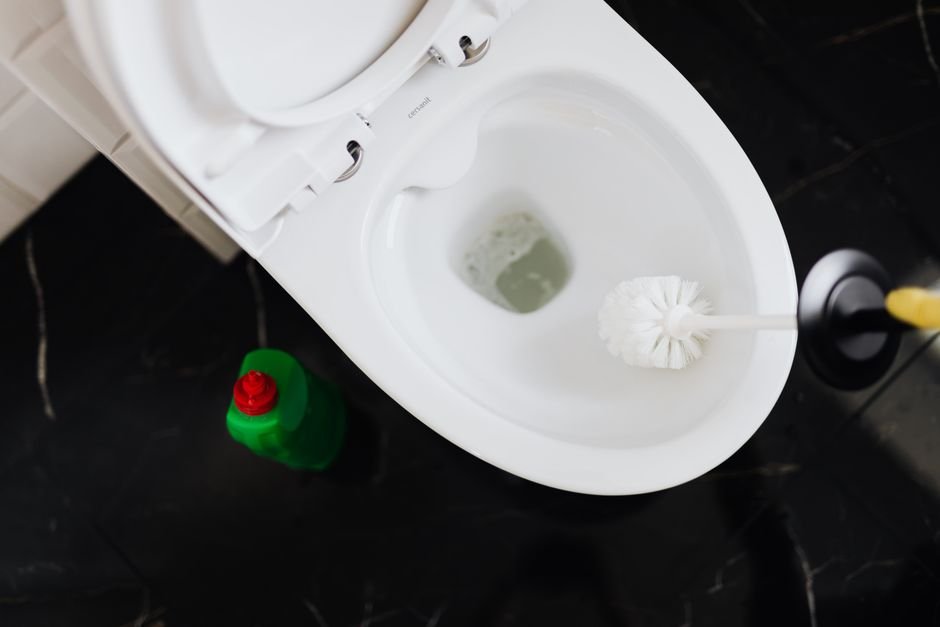
A running toilet can waste over 5 gallons of water a day, leading to high utility bills and unnecessary strain on your plumbing. Understanding the reasons behind this constant flow is essential for solving the problem efficiently. Many issues can be addressed without the need for a plumber.
The usual suspects for a running toilet often include a faulty toilet flapperissues with the fill valveor even a more insidious problem like water leakage. The good news is, many of these fixes can be simple, straightforward, and even DIY. Knowing where to start can save you time, money, and the aggravation of a never-ending running noise.
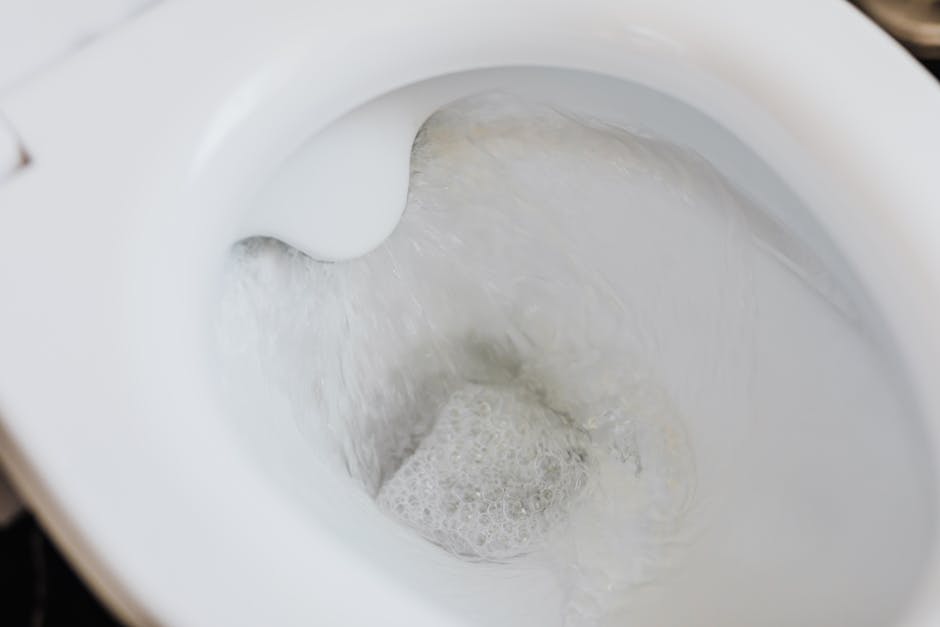
Identifying the Common Causes of a Running Toilet
The most frequent reason for a toilet that won’t stop running is a worn-out toilet flapper. This rubber piece, found at the bottom of the toilet tank, seals the opening to the flush valve. If it’s warped or damaged, water will constantly seep into the bowl.
I’ve replaced my flapper a couple of times, and I can attest that it’s typically an affordable and painless fix.
Another culprit could be the fill valve, which controls the water level in the tank. If the fill valve is malfunctioning, it might not close properly, causing the water to continuously flow. In my experience, a noisy fill valve has often been a hint that it needed adjustment or replacement.
Lastly, water leakage from the tank to the bowl, or even from the tank to the floor, can also contribute to this issue. Spotting water pooled around the base of the toilet is a sure sign to dig deeper.
Immediate Fixes for a Running Toilet
If you pinpoint that the toilet flapper is the problem, replacing it usually takes just a few minutes. Turn off the water supply, drain the tank, and swap out the old flapper with a new one. It’s as simple as that, and I used a model that was compatible with my toilet without needing any fancy tools.
Similarly, if the fill valve is to blame, you might be able to adjust the float mechanism, which is typically a matter of turning a screw or sliding a clip.
For those with leaks, get a flashlight and inspect the connections. Sometimes, tightening the bolts or simply replacing old washers can solve the problem. A quick trip to the local hardware store should sort you out for any supplies you might need.
You can find everything from flappers to fill valves at an affordable price, so don’t hesitate to make the small investment to prevent your water bill from spiking.
When to Call a Professional for Help
While many toilet issues can be handled with simple DIY fixes, some situations warrant calling in an expert. If you find that your toilet continues to run despite replacing the flapper and adjusting the fill valve, it might be time to seek professional assistance.
Persistent running could indicate deeper plumbing issues, such as misalignment or more complex leaks that are not visible to the naked eye.
Moreover, if you notice that your water bill increases dramatically without any other explanation, it’s worth investigating further. A plumbing professional can conduct a thorough inspection to identify any hidden leaks or complications. Sometimes, trying to save money ends up costing more in the long run, especially if the problem escalates. If you’re wondering why does my toilet run constantly, it might be time to consult an expert.
Preventative Maintenance Tips
To avoid future running toilet issues, make a habit of checking your toilet components regularly. Inspect the flapper and fill valve for signs of wear and replacement every few years, even if they seem fine. I’ve learned that prevention saves hassle down the road.
Another effective step is to perform a dye test. Adding food coloring to the toilet tank can help you identify leaks. If the color seeps into the bowl without flushing, there’s a leak you need to address. Taking a proactive approach keeps your toilet, and your wallet, healthy.
Final Verdict: Simple Fixes Can Go a Long Way
For the best results, replace the toilet flapper and adjust the fill valve, as these are the most common culprits for a running toilet. If you're not comfortable making these repairs yourself, hiring a plumber is a wise choice for a professional evaluation. Regular checks and maintenance can help prevent future issues.
Our write-up on brushes for deep picks up where this leaves off.