
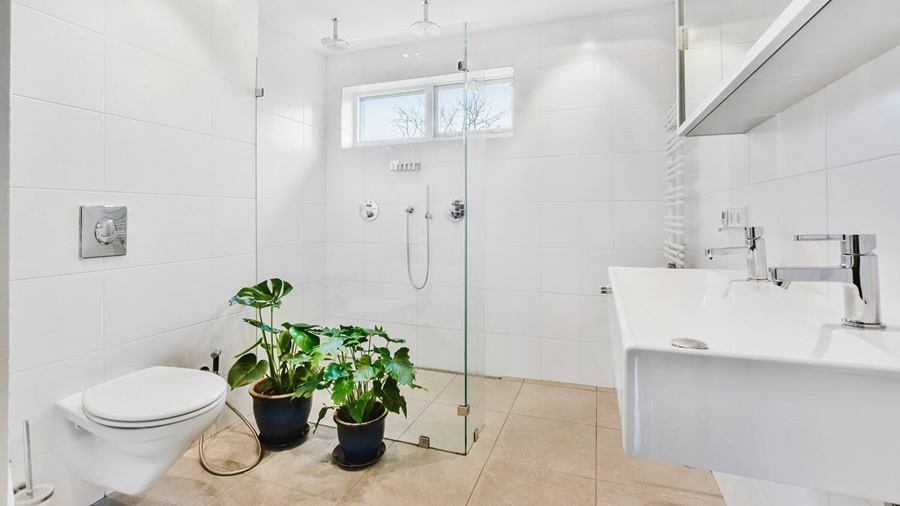
Common Causes and Solutions Revealed? Why is My Toilet Water Hot? The presence of hot water in your toilet bowl typically indicates a problem, usually arising from either a malfunctioning water heater or a cross-connection with hot water lines, often due to plumbing issues. Addressing this issue promptly is crucial to prevent potential damage and ensure your plumbing system functions correctly.
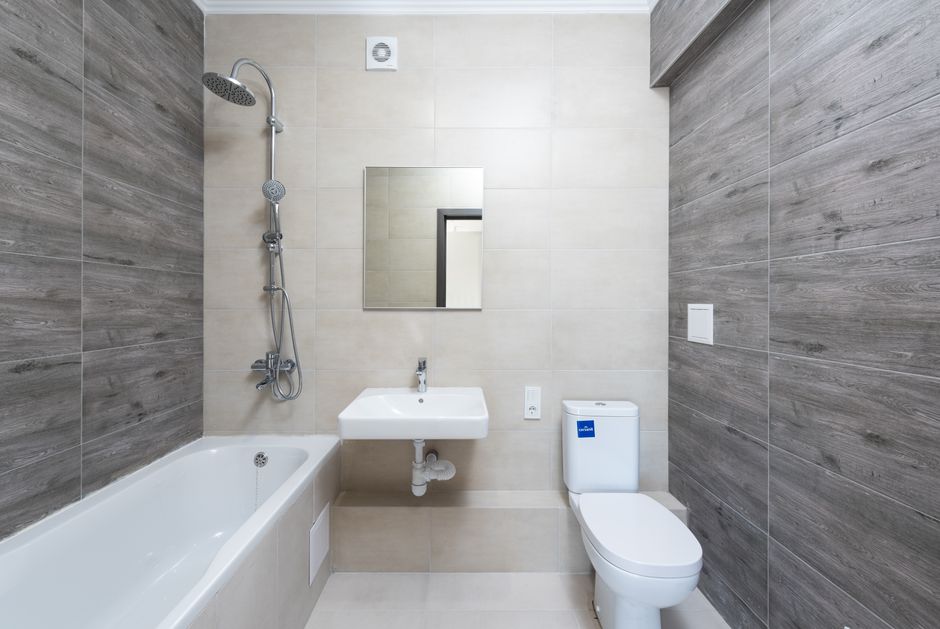
1. Cross-Connection with Hot Water Line
One of the most common causes of hot water in the toilet is a plumbing error known as a cross-connection. This happens when the cold water line feeding the toilet is accidentally connected to a hot water line. This can occur during:
Home renovations or plumbing repairs
DIY installations gone wrong
Faulty work by inexperienced plumbers
Solution: A licensed plumber can inspect your plumbing layout to identify and fix any incorrect connections. Correcting the connection to a proper cold water line should resolve the issue.
2. Shared Wall with a Hot Water Source
Sometimes, the cause isn't a plumbing error but proximity. If the toilet’s supply pipe runs along a wall that also carries hot water pipes (e.g., from a shower, water heater, or dishwasher), the heat from those pipes can warm the nearby cold water lines, especially in:
Tight spaces or walls with poor insulation
Older homes with inefficient pipe routing
Solution: Insulating the cold water pipe or rerouting it slightly can prevent it from absorbing heat from nearby hot water lines.
3. Heated Bathroom or Warm Environment
In rare cases, a bathroom with underfloor heating, a nearby furnace, or excessive ambient heat can gradually warm the water sitting in the toilet bowl.
Solution: While this isn't usually a cause for concern, ensuring proper ventilation and checking heating systems for excess output can help maintain temperature balance.
4. Backflow from a Hot Water Source
Improperly installed or malfunctioning backflow prevention devices can allow heated water from a hot water source to flow back into the cold water lines, reaching the toilet.
Solution: A plumber can test your backflow prevention devices and install check valves where necessary to stop reverse flow.
5. Unusual Plumbing Designs in Older Homes
Older houses, especially those with unconventional or retrofitted plumbing systems, may have unusual water line configurations. In such cases, a toilet might have been mistakenly or creatively connected to a hot water source as a quick fix during a past repair.
Solution: Have a professional evaluate your plumbing system. Re-plumbing the toilet connection to a cold water line is often the safest fix.
6. Why Hot Toilet Water Is a Problem
While it might seem like a harmless oddity, hot water in your toilet can lead to:
Increased water bills (hot water is more expensive to produce)
Cracked porcelain due to temperature fluctuations
Condensation and moisture issues that can encourage mold growth
Wasted energy heating water unnecessarily
7. When to Call a Professional
If you're unable to identify the cause yourself or if hot water persists, it's best to consult a licensed plumber. They can:
Diagnose the root issue
Ensure your plumbing meets code
Prevent further damage or unnecessary water/energy use
Practical Steps to Diagnose the Issue
Start by checking your plumbing layout. Look for any areas where hot water pipes may run close to your toilet supply line. If you find a cross-connection, consider hiring a plumber to install the right valves to isolate hot water from cold.
Next, inspect fixtures near the toilet. If you have a sink or shower sharing the same plumbing, run them and check the water temperature. This can help pinpoint whether the issue is isolated to your toilet or part of a broader problem.
Testing for backflow might be beneficial too. You can purchase a backflow test kit online or at a hardware store. Simply follow the instructions, and this will clarify whether hot water is accidentally flowing into your toilet system.
Common Mistakes to Avoid
One mistake homeowners make is ignoring the problem early on. If you notice warm toilet water but delay addressing it, minor issues can escalate into specialized plumbing repairs, adding time and costs. Don't wait for a significant leak to appear.
Another error is attempting DIY solutions without adequate knowledge. While your intentions might be good, improper repairs can lead to further complications. Calling a professional may seem like a higher upfront cost, but it ensures that the problem is resolved correctly.
Finally, don’t assume all plumbing systems are the same. Each home has unique designs. Installing generic components or fixtures may not work well and can lead to rework. Always choose solutions tailored to your specific plumbing environment.
Comparisons: Professional Help vs. DIY Solutions
When faced with hot toilet water, you have two main options: addressing it yourself or hiring a professional. A DIY approach may seem more appealing due to lower costs. However, consider your plumbing skills and the complexity of your plumbing system.
If you are confident and possess basic plumbing tools, tasks like checking for cross-connections or inspecting pipes may be manageable. Professionals provide expertise, ensuring that complex issues are diagnosed and resolved accurately.
- DIY: Minimal cost, hands-on experience.
- Professional: Ensured quality, faster resolution.
If the issue requires advanced knowledge—such as dealing with old plumbing systems—professional intervention is often the best choice. Doing so could ultimately save you from costly mistakes down the line.
There is more on tankless toilet tested amp reviewed elsewhere on the site.
Conclusion
Hot water in your toilet is usually a symptom of an underlying plumbing issue, whether it's a cross-connection, heat transfer, or a backflow problem. Identifying and fixing the root cause not only brings peace of mind but also helps prevent long-term damage and costs. When in doubt, always seek the help of a qualified professional.
For additional information regarding common water quality concerns, consider checking municipal resources.