
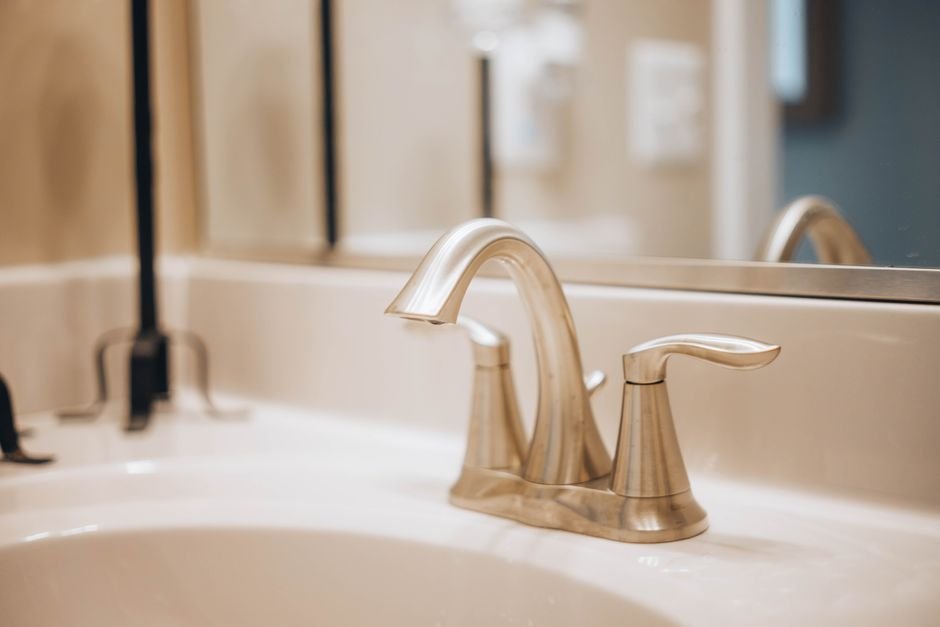
Replacing a bathroom faucet can save you around $200 on plumbing bills if you handle the project yourself instead of hiring a professional. This simple upgrade not only stops leaks but also refreshes the entire look of your bathroom, making it a worthwhile endeavor for any homeowner.
Follow these practical steps to remove your existing faucet and install a new one efficiently, ensuring you avoid common mistakes that can lead to frustrating leaks. By the end of this guide, you’ll feel confident in updating your bathroom fixture.
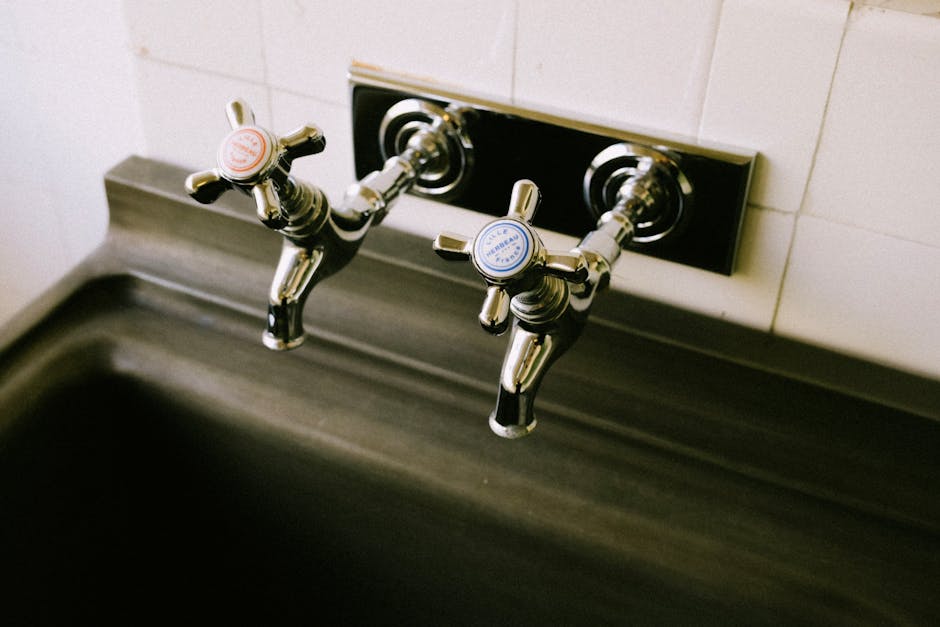
Gathering the Right Plumbing Tools
Before you get started, it’s crucial to have the right plumbing tools on hand. Here’s what I recommend:
- Adjustable wrench
- Plumber's tape
- Screwdriver (Phillips and flathead)
- Pliers
- Bucket or towel (to catch any water)
- New faucet (make sure to choose the faucet type that fits your sink)
Having these plumbing tools prepared before you begin will streamline the process. Additionally, check the type of faucet you’re replacing, are you upgrading to a single handle, a widespread faucet, or maybe a center set? Each faucet type has its own installation nuances, so understanding your specific fixture will provide clear guidance as you go.
Avoiding the Common Mistake of Not Turning Off the Water Supply
One of the biggest errors people make is diving in without first shutting off the water supply. If you forget this step, prepare for a frustrating surprise when you turn the faucet on after installation and water sprays everywhere. Locate the shut-off valves under the sink and turn them clockwise to stop the water flow.
After you’ve turned off the water, run the faucet to drain any leftover water. This step ensures you won’t have a flood when you start disassembling the old faucet.
Steps to Remove the Existing Faucet
With your tools ready and water shut off, it’s time to remove the old faucet. Begin by disconnecting the supply lines connected to the faucet using a wrench. It’s worth mentioning that some water might still be trapped in the lines, so make sure your bucket is placed underneath before you unscrew anything.
Next, loosen any mounting nuts that hold the faucet in place, usually located underneath the sink. If they are particularly stubborn, using penetrating oil may help to free up the rusted screws. Once everything is disconnected, you can lift out the old faucet. Keep in mind the orientation of the parts, as this can help with installing the new faucet.
Installing the New Faucet Without Overtightening
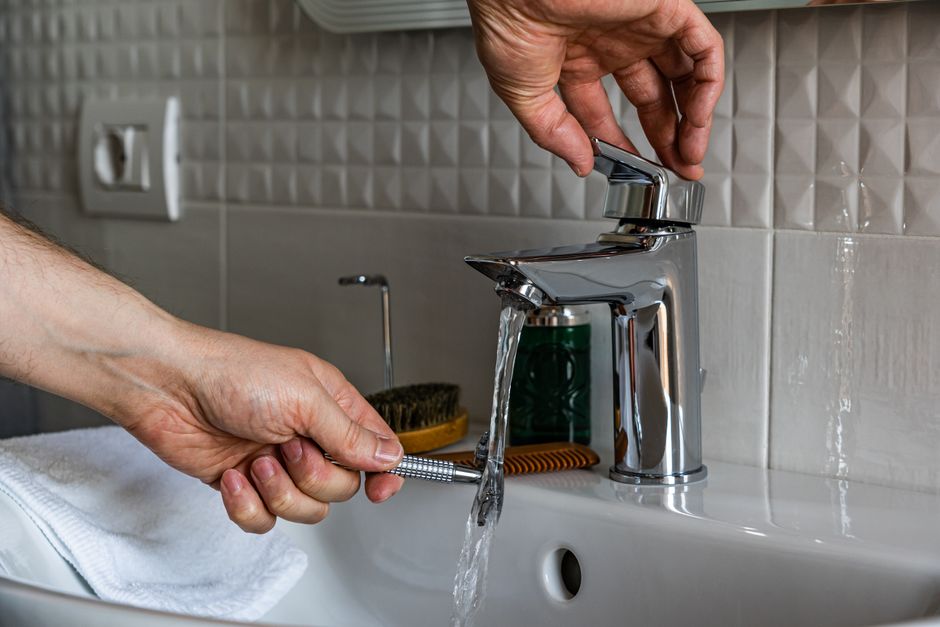
Now that the old faucet is out, it’s time to install your new one. Place the new faucet into the sink’s mounting holes and secure it in place using the included mounting nuts. Make sure everything is aligned correctly before tightening the nuts.
Here, a critical error is overwriting, tightening until your new faucet feels like it’s about to break can lead to leaks.
Once your faucet is stable, reconnect the water supply lines. Again, be careful not to overtighten. Make sure to wrap plumber’s tape around the threads of your fittings to ensure a safe, leak-free connection.
Testing for Leaks
After everything is securely fastened, it’s time for the moment of truth. Turn the water supply back on slowly. As the water fills the supply lines, keep an eye out for leaks at all connection points. If you notice any issues, tighten connections carefully until they stop dripping.
Once satisfied, you can run water through the new faucet for a few minutes to check that everything operates smoothly. This step not only ensures proper installation but also helps to clean any debris in the new plumbing.
Maintaining Your Faucet for Longevity
Now that you’ve successfully replaced your bathroom faucet don’t forget about sink maintenance. Regular inspections and cleaning will go a long way in prolonging its lifespan. Check the aerator periodically for sediment buildup, which can affect water flow.
Also, keep an eye on the seals and washers, as wear and tear can lead to leaks. Investing in good quality parts right away may save you from needing to make early replacements.
If you are also dealing with upgrading your bathroom fixtures, I have a detailed guide on that here: Best Matte Black Bathroom Faucets Under $100 for Style. Additionally, for tips on how to replace a bathroom faucet, be sure to check out resources from the EPA.
Our write-up on bathroom sink faucet double picks up where this leaves off.
Conclusion: Confidently Update Your Home
For the best value, consider a single-handle faucet, which is easier to install and works well in smaller spaces. However, if you need more control over water temperature, a widespread faucet is a great option for larger sinks, offering both function and style.