
Over 50% of homeowners express regret after choosing the wrong kitchen faucet, often due to inadequate planning. To avoid this mistake, concentrate on three essential factors: functionality, style, and compatibility. These elements will streamline your selection process significantly.
Your faucet must match both your kitchen interior design and your daily needs. After all, this is an appliance you’ll be using multiple times a day, so it’s crucial to select one that is not only stylish but also practical. Here’s how to choose a kitchen faucet without stress.

Key Features to Consider
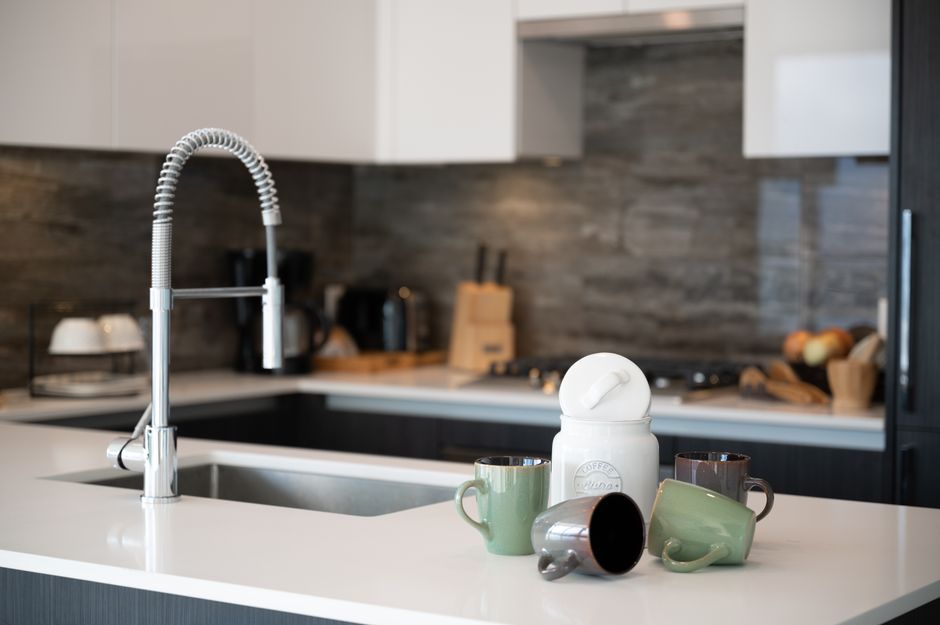
Start by determining what features are essential for your kitchen faucet. One of the most vital is the spout height. If you need to wash large pots or fill tall containers, a high-arc spout is a must. On the other hand, if you have low cabinets, a low-profile faucet might be more suitable.
Pay attention to the reach of the faucet as well; it should comfortably extend over the sink basin for ease of use.
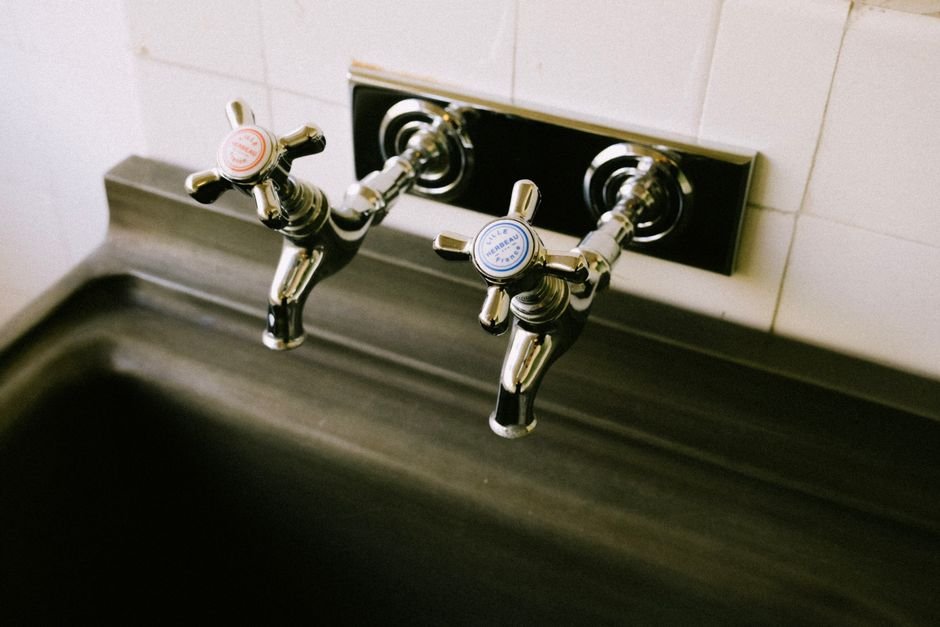
Another significant feature is the handle style. Single-handle faucets offer the convenience of temperature and flow adjustments with one hand, perfect for multitasking in the kitchen. Dual-handle faucets can provide more precise control over the temperature, but they require both hands. If you’re someone who often has messy hands while cooking, I’d suggest leaning toward a single-handle option.
- Spout height
- Spout reach
- Handle design
Assessing Sink Compatibility
Before you fall in love with a faucet, ensure it is compatible with your sink. Most kitchen sinks will accommodate either single- or dual-hole installation, but you need to check how many holes your sink has. A standard configuration will typically have one hole for the faucet and potentially others for soap dispensers or spray attachments.
If you’re upgrading your faucet, it often makes sense to stick with a similar configuration to avoid unnecessary installation complications.
Consider also the placement of the faucet in relation to the sink and countertop. Make sure it’s positioned comfortably for all your tasks. A faucet too far back might not reach the sink area well, while one too far forward could obstruct other tasks in your kitchen.
Faucet Styles and Their Benefits
Choosing a faucet style is just as important as functionality. Your choice can affect the entire look of your kitchen. Modern styles lean toward sleek finishes such as chrome or stainless steel, which are easy to clean and resistant to materials that stain. Traditional styles tend to have more ornate designs and may be more suited for classic kitchen aesthetics.
Don’t overlook the finish you choose. For instance, matte black faucets have gained popularity for a clean, contemporary look, while brushed nickel offers a classic appeal with added corrosion resistance. If your kitchen has a rustic charm, consider a bronze finish. It’s not just about looks; some finishes hide water spots and fingerprints better than others.
Water Efficiency
Another factor to keep in mind while selecting a kitchen faucet is water efficiency. Look for faucets that have a WaterSense label or similar certification. These faucets use less water without compromising performance, which can save you money on your water bill over time.
For example, a WaterSense faucet can reduce water flow to 1.5 gallons per minute compared to the standard 2.2 gallons per minute, which is significant in terms of annual water usage.
Additionally, check the aerator type, which adds air to the water stream to create a steady flow with less water. This is especially important if you live in an area where water conservation is a priority, or if you’re just looking to be more environmentally friendly.
Budget Considerations
Lastly, set a budget before you start shopping. Kitchen faucets range significantly in price, from budget-friendly options below $100 to premium models exceeding $500. Assess what features and styles matter most to you and be ready to invest in quality.
A high-quality faucet may come with better warranty policies and longer service life, so sometimes spending a bit more upfront can save you money in the long run.
Avoid falling into the trap of choosing the cheapest faucet without considering its quality. An affordable price tag may come at the cost of durability or functionality. Remember, a good faucet should perform well for years, so think of it as an investment in your kitchen.
If that matters to you, our piece on sink buying goes further.
In Summary: Your Faucet Must Work for You
A pull-down faucet is highly recommended for those who cook regularly, as it offers flexibility for rinsing large pots and pans. For a minimalist design, consider a single-handle faucet which works well in smaller spaces. Pair your choice with sink compatibility to ensure seamless installation. Also, learn more about how to choose a kitchen faucet for the best results.