
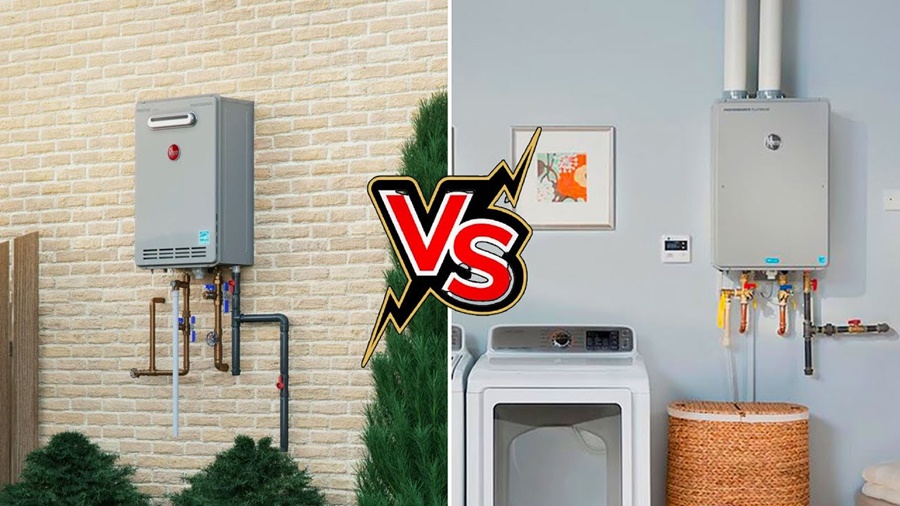
Indoor vs Outdoor Tankless Water Heater: Which One is Better? The best choice typically leans towards outdoor models, as they are easier to install and can provide a constant flow of hot water without requiring indoor ventilation systems. This type of heater can also save space indoors while maximizing energy efficiency by heating water only when needed, cutting utility costs significantly.
When choosing a tankless water heater, one of the most important decisions homeowners face is whether to install an indoor or outdoor model. Both options offer unique advantages and limitations that can significantly impact performance, installation costs, maintenance requirements, and long-term satisfaction.
This article explores the key differences between indoor and outdoor tankless water heaters to help you determine which option best suits your home and lifestyle.
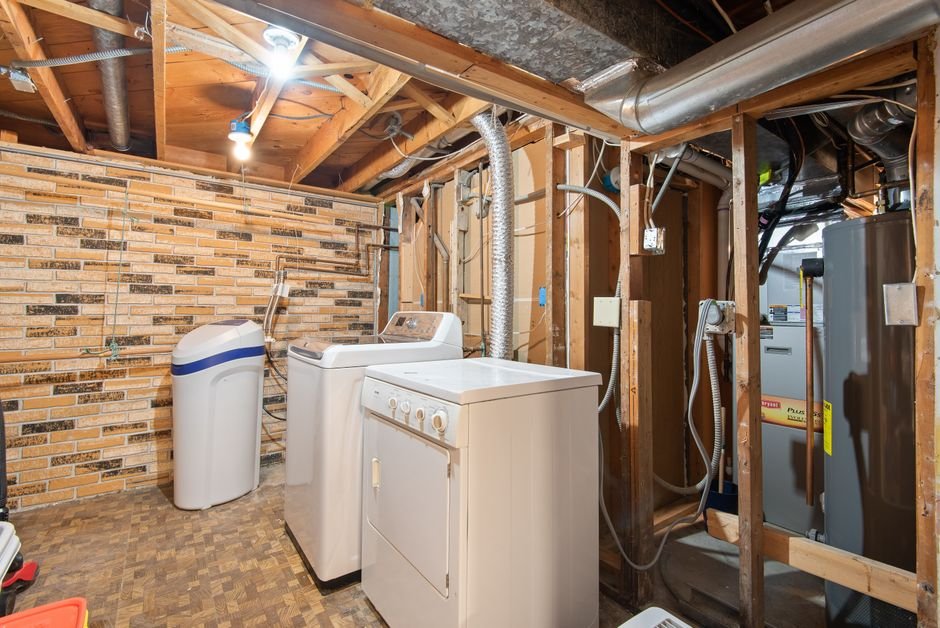
What Is an Indoor Tankless Water Heater?
An indoor tankless water heater is installed inside the home, typically in utility rooms, basements, garages, laundry rooms, or closets. These units are designed to operate within a protected environment and require proper ventilation to safely exhaust combustion gases.
Indoor models can be powered by natural gas, propane, or electricity. Gas-powered units usually require vent pipes to remove exhaust and bring in fresh air for combustion.
Advantages of Indoor Tankless Water Heaters
1. Protection from Weather
Since indoor units are installed inside the home, they are shielded from rain, snow, wind, extreme temperatures, and direct sunlight. This protection often contributes to a longer lifespan and fewer weather-related issues.
2. Greater Climate Flexibility
Indoor installations perform well in all climates, including regions with harsh winters. Freezing temperatures are less likely to affect internal components.
3. Longer Equipment Life
Being protected from environmental exposure can reduce wear and tear on sensitive components, potentially extending the life of the unit.
4. Better Security
Indoor units are less accessible to theft, vandalism, or accidental damage compared to outdoor installations.
Disadvantages of Indoor Tankless Water Heaters
1. Ventilation Requirements
Gas-powered indoor units require proper venting systems, which can increase installation complexity and cost.
2. Space Requirements
Although tankless units are compact, indoor models still occupy valuable interior space.
3. More Complex Installation
Installing vent pipes, gas lines, and air intake systems may require additional labor and materials.
What Is an Outdoor Tankless Water Heater?
An outdoor tankless water heater is mounted on an exterior wall of the home. These units are specifically designed to withstand weather conditions and generally do not require extensive indoor venting systems.
Outdoor models are most commonly powered by natural gas or propane.
Advantages of Outdoor Tankless Water Heaters
1. No Indoor Space Needed
Outdoor installation frees up interior space, making it ideal for smaller homes or properties with limited utility areas.
2. Simpler Venting Requirements
Because exhaust gases are released directly into the open air, outdoor units typically eliminate the need for expensive venting systems.
3. Easier Installation
In many cases, installation is faster and less expensive due to reduced venting requirements.
4. Easier Maintenance Access
Technicians can often access outdoor units more conveniently without entering the home.
Disadvantages of Outdoor Tankless Water Heaters
1. Exposure to Weather
Even though outdoor units are weather-resistant, continuous exposure to rain, humidity, heat, and cold can accelerate wear over time.
2. Risk of Freezing
In colder climates, outdoor units may require freeze protection systems. Extended power outages during freezing weather can increase the risk of damage.
3. Shorter Lifespan in Harsh Conditions
Environmental exposure may reduce the overall lifespan compared to protected indoor installations.
4. Potential Noise Concerns
The operating noise of an outdoor unit may be noticeable near patios, windows, or outdoor living spaces.
Installation Cost Comparison
Installation costs vary depending on local labor rates, fuel type, and home layout.
Indoor Installation Costs
Indoor tankless water heaters generally cost more to install because of:
- Vent pipe installation
- Air intake requirements
- Additional plumbing modifications
- Potential electrical upgrades
Outdoor Installation Costs
Outdoor installations are often less expensive because:
- Venting systems are usually unnecessary
- Installation is generally simpler
- Labor time may be reduced
However, weatherproofing and freeze-protection features can add costs in colder regions.
Energy Efficiency Comparison
Both indoor and outdoor tankless water heaters offer excellent energy efficiency compared to traditional tank systems.
However, efficiency can vary depending on environmental conditions.
Indoor Units
Indoor units often maintain slightly higher efficiency because they operate in a controlled environment with less exposure to temperature fluctuations.
Outdoor Units
Outdoor models may use additional energy for freeze protection during cold weather, which can slightly impact efficiency.
Maintenance Requirements
Indoor Tankless Water Heaters
Maintenance typically includes:
- Annual descaling
- Vent inspection
- Filter cleaning
- Gas connection checks
Indoor units usually experience fewer environmental issues.
Outdoor Tankless Water Heaters
In addition to standard maintenance, outdoor units may require:
- Weather-related inspections
- Corrosion checks
- Freeze protection testing
- Debris removal from vents and intake areas
Best Climate for Each Option
Indoor Tankless Water Heaters Are Best For:
- Cold climates
- Areas with frequent freezing temperatures
- Homes exposed to severe weather
- Homeowners seeking maximum equipment longevity
Outdoor Tankless Water Heaters Are Best For:
- Warm climates
- Mild winter regions
- Homes with limited indoor space
- Installations where lower installation costs are preferred
Safety Considerations
Indoor Units
Indoor systems require proper ventilation to prevent dangerous gas buildup. Professional installation is essential to ensure safe operation.
Outdoor Units
Outdoor systems naturally vent exhaust gases outside, reducing concerns about indoor air quality. However, they must be installed according to manufacturer guidelines to ensure weather resistance and safe operation.
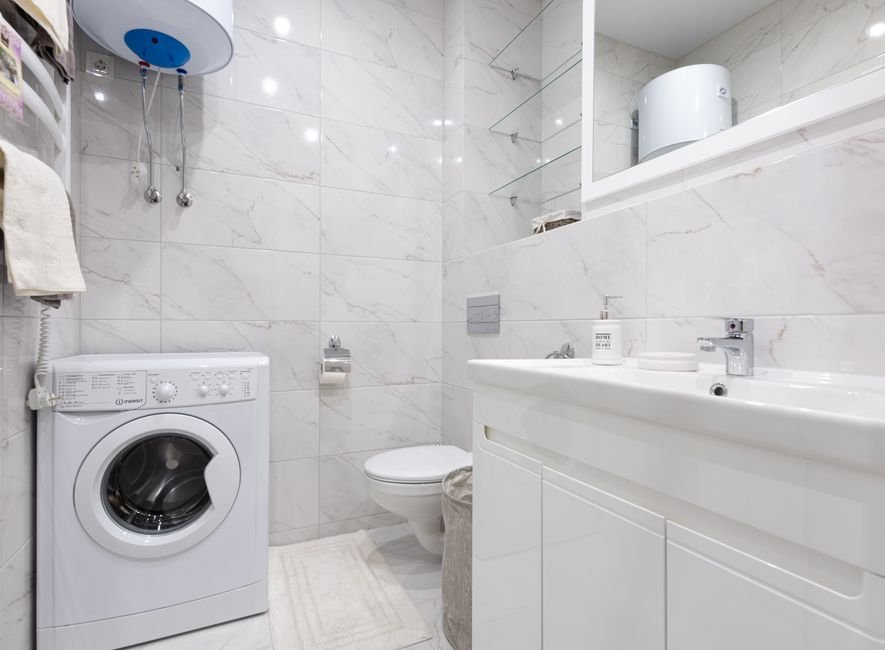
Which Option Should You Choose?
The right choice depends on your climate, budget, available space, and long-term priorities.
Choose an indoor tankless water heater if:
- You live in a cold climate.
- You want maximum protection and durability.
- Indoor installation space is available.
- Long-term performance is your top priority.
Choose an outdoor tankless water heater if:
- You live in a warm or moderate climate.
- Indoor space is limited.
- You want a simpler installation process.
- Lower upfront installation costs are important.
Conclusion
Both indoor and outdoor tankless water heaters provide reliable hot water, excellent energy efficiency, and significant space savings compared to traditional storage tank systems. Indoor models offer superior protection, longer lifespan potential, and better performance in cold climates. Outdoor models provide easier installation, lower venting costs, and valuable indoor space savings.
Before making a final decision, consider your local climate, installation budget, maintenance preferences, and available space. Consulting a qualified plumbing or HVAC professional can help ensure you select the tankless water heater that best meets your household’s needs for years to come. For more information on Indoor vs Outdoor Tankless Water Heater, refer to the Vermont Energy Saver.