
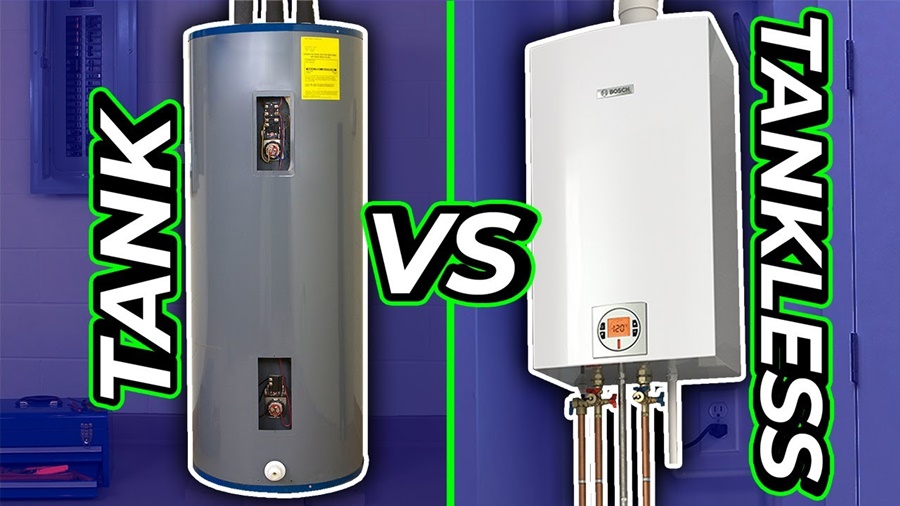
When it comes to choosing a water heater, homeowners are often faced with a common question: should they install a traditional tank water heater or a modern tankless water heater? Hot water is an essential part of everyday life, from taking showers and washing dishes to doing laundry and cleaning.
Both systems have their advantages and disadvantages. The best choice depends on factors such as household size, budget, energy efficiency goals, and long-term maintenance considerations. This article compares tank and tankless water heaters in detail to help you make an informed decision.
What Is a Tank Water Heater?
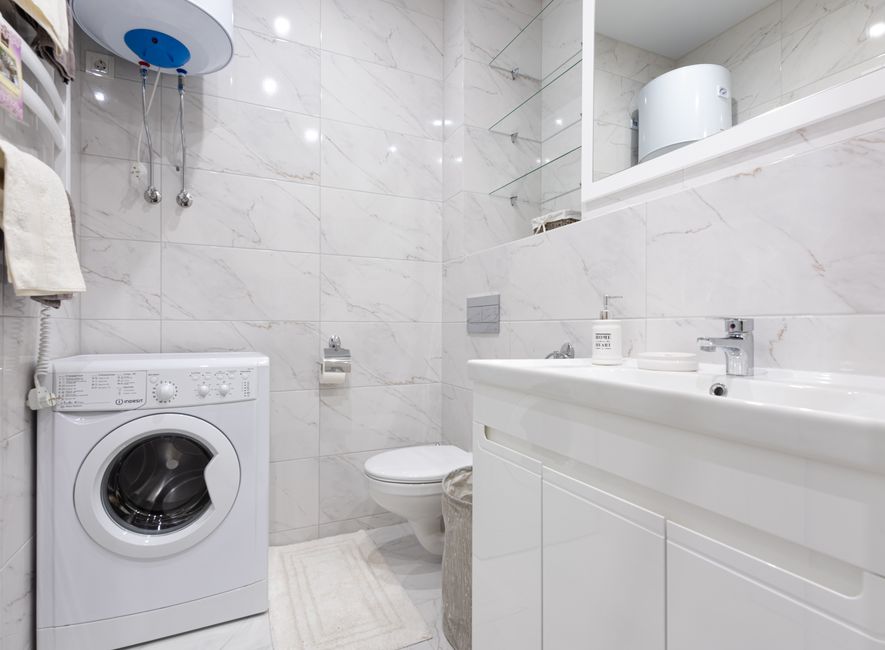
A tank water heater is the traditional type found in many homes. It stores and heats a specific amount of water, typically between 30 and 80 gallons, in an insulated tank. The water is heated continuously and kept at a set temperature until it is needed.
When a hot water tap is turned on, hot water flows from the tank to the fixture. As the tank empties, fresh cold water enters and is heated for future use.
Advantages of Tank Water Heaters
Lower Initial Cost
Tank water heaters are generally less expensive to purchase and install than tankless models. This makes them an attractive option for homeowners on a tight budget.
Simple Installation
Because tank water heaters have been the standard for decades, installation is usually straightforward and familiar to most plumbers.
Reliable Performance
Modern tank systems provide consistent hot water and can meet the needs of most average-sized households.
Disadvantages of Tank Water Heaters
Higher Energy Consumption
Tank heaters continuously maintain water temperature, even when hot water is not being used. This standby heat loss increases energy consumption.
Limited Hot Water Supply
Once the hot water stored in the tank is depleted, users must wait for the tank to refill and reheat before more hot water becomes available.
Shorter Lifespan
Most tank water heaters last between 8 and 12 years before requiring replacement.
Larger Space Requirements
The storage tank occupies significant floor space, making it less suitable for smaller homes or apartments.
What Is a Tankless Water Heater?
A tankless water heater, also known as an on-demand water heater, heats water only when it is needed. Instead of storing hot water, the unit uses powerful heating elements or gas burners to warm water as it passes through the system.
When a hot water faucet is opened, cold water flows through the heater and is instantly heated before reaching the tap.
Advantages of Tankless Water Heaters
Energy Efficiency
Since water is heated only when needed, tankless systems eliminate standby heat loss. This can significantly reduce energy bills over time.
Unlimited Hot Water
As long as the unit’s flow rate is not exceeded, tankless systems can provide a continuous supply of hot water.
Longer Lifespan
Most tankless water heaters can last 15 to 20 years or more with proper maintenance.
Space Saving Design
Tankless units are compact and can be mounted on walls, freeing valuable floor space.
Lower Long-Term Costs
Although the initial investment is higher, energy savings and a longer lifespan may result in lower overall ownership costs.
Disadvantages of Tankless Water Heaters
Higher Upfront Cost
The purchase and installation costs are significantly higher than those of traditional tank heaters.
Limited Flow Rate
A tankless unit may struggle to supply multiple high-demand appliances simultaneously, especially in larger households.
Complex Installation
Upgrading to a tankless system may require electrical upgrades, gas line modifications, or specialized venting, increasing installation costs.
Maintenance Requirements
Mineral buildup can affect performance, particularly in areas with hard water. Regular descaling may be necessary.
Energy Efficiency Comparison
One of the biggest differences between tank and tankless water heaters is energy efficiency.
Tank water heaters constantly maintain water temperature, resulting in energy loss even when no hot water is being used. Tankless units operate only when hot water is needed, reducing wasted energy.
For households with moderate hot water usage, a tankless water heater can reduce energy consumption significantly over time. This translates into lower utility bills and a smaller environmental footprint.
Cost Comparison
Initial Costs
Tank Water Heater
- Lower purchase price
- Lower installation cost
- Suitable for budget-conscious homeowners
- Higher purchase price
- Higher installation expenses
- Potential need for plumbing or electrical upgrades
Long-Term Costs
Tank Water Heater
- Higher energy bills
- More frequent replacement
- Potentially higher lifetime ownership costs
Tankless Water Heater
- Lower utility expenses
- Longer lifespan
- Better return on investment over time
Lifespan Comparison
| Feature | Tank Water Heater | Tankless Water Heater |
|---|---|---|
| Average Lifespan | 8–12 Years | 15–20+ Years |
| Maintenance | Moderate | Regular Descaling Needed |
| Replacement Frequency | Higher | Lower |
A tankless system generally lasts nearly twice as long as a conventional tank model.
Hot Water Performance
For small to medium-sized households, either system can provide adequate hot water.
However, performance requirements differ:
- Tank systems provide large amounts of stored hot water immediately.
- Tankless systems provide endless hot water but may be limited by flow rate.
Large families with multiple showers running simultaneously should carefully size a tankless unit or consider multiple units.
Environmental Impact
Tankless water heaters are generally more environmentally friendly because they consume less energy and last longer. Reduced energy use lowers greenhouse gas emissions, making them a popular choice among eco-conscious homeowners.
Tank heaters can still be efficient, especially newer high-efficiency models, but they typically consume more energy throughout their lifespan.
Which Water Heater Is Best for You?
Choose a Tank Water Heater If:
- You have a limited budget.
- You need a simple replacement for an existing system.
- Your household has predictable hot water usage.
- Installation costs are a major concern.
Choose a Tankless Water Heater If:
- You want maximum energy efficiency.
- You prefer lower utility bills over time.
- You need continuous hot water.
- You have limited installation space.
- You plan to stay in your home for many years.
Conclusion
Both tank and tankless water heaters can provide reliable hot water for your home, but they serve different needs. Tank water heaters offer affordability and simplicity, making them ideal for homeowners seeking a lower upfront investment. Tankless water heaters deliver superior energy efficiency, longer lifespan, and endless hot water, making them an excellent long-term solution despite their higher initial cost.
When deciding between the two, consider your budget, household size, energy goals, and future plans. By evaluating these factors carefully, you can select the water heating system that provides the best value and comfort for your home.