
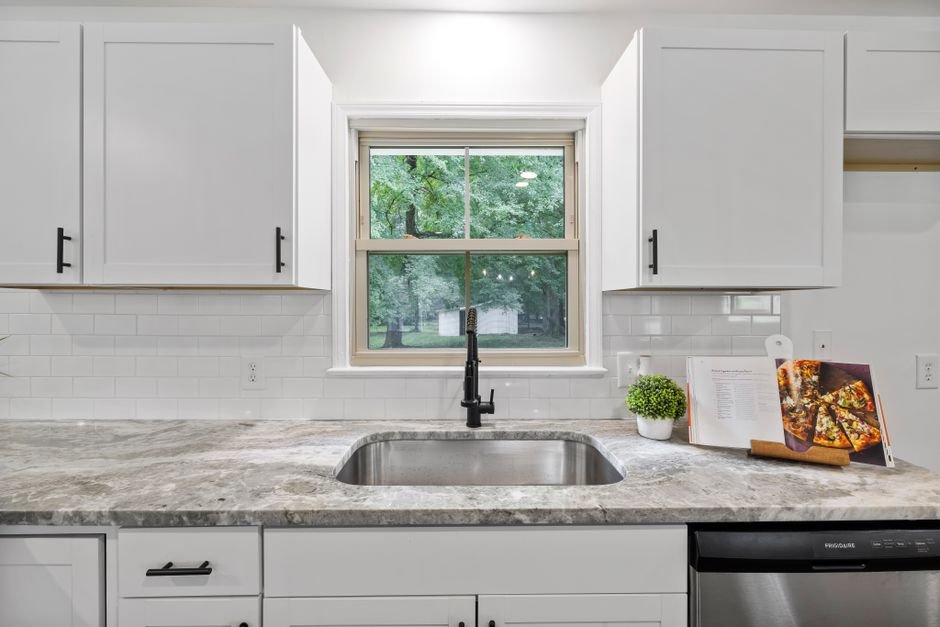
Around 20% of homeowners choose undermount kitchen sinks for their renovation projects, valuing their smooth appearance. This style of sink, installed below the countertop, simplifies cleanup and maximizes counter space compared to traditional drop-in sinks.
Choosing an undermount sink usually involves some level of kitchen renovation, as it requires a specific installation process that works best with solid stone or heavy countertops. Understanding the dynamics and potential drawbacks helps ensure that you make the right choice for your home.

What You Need to Know About Installation
The installation of an undermount kitchen sink is more complicated compared to traditional sinks. First, the countertop material matters. Undermount sinks work best with heavy materials like granite, quartz, or solid surface. Lightweight countertops can warp over time, leading to sink instability. During installation, strong adhesive is often used to bond the sink to the bottom of the countertop, ensuring a firm hold.
Additionally, if you plan on doing the installation yourself, it requires careful attention to detail. You’ll need to ensure the sink is properly leveled and secured. It’s often best left to professionals, especially if you’re investing in high-end materials. In my experience, getting it wrong can lead to leaks and damage down the line.
Advantages of Choosing an Undermount Sink
One clear-cut advantage of an undermount kitchen sink is the ease of cleaning. Without an exposed rim, there are fewer places for crumbs and grime to hide. You can easily wipe spills from the countertop straight into the sink, making daily kitchen maintenance easier than ever. This is crucial, especially in a busy kitchen where time is of the essence.
Another compelling reason to consider an undermount sink is its sleek appearance. The minimalistic look can elevate any kitchen design, whether modern or traditional. For those considering a kitchen makeover, this detail matters more than you might think. A well-chosen undermount sink can seamlessly tie together the design elements of your kitchen.
This is part of why I often recommend these sinks in any kitchen renovation projects I consult on.

Considerations and Drawbacks
Despite their many benefits, undermount sinks aren’t without drawbacks. For one, they can be more expensive than drop-in styles. The costs don’t just stop at the sink; installation tends to require additional labor, especially if your countertop needs to be modified. If you’re working on a tight budget for your renovation, this could be a dealbreaker.
Also, you need to consider the maintenance of the surfaces beneath the sink. Because these sinks are often sealed tight, if leaks do occur, they can go unnoticed for a while, leading to mold or damage under the sink. This maintenance aspect is often overlooked and can lead to costly repairs.
I’ve seen kitchens where homeowners were faced with substantial replacements because of neglect in this area.
Best Materials for Undermount Sinks
When selecting an undermount sink, material selection plays a critical role in durability and aesthetics. Stainless steel is a popular choice owing to its resilience and ease of maintenance. It works well for kitchen environments but can scratch over time. On the other hand, porcelain or fireclay sinks can provide a beautiful, classic look, but they are more prone to chipping and staining.
In my experience, the material’s thickness also matters. Thicker materials generally provide better durability. Nonetheless, if you select a heavier sink, ensure your countertop can support the added weight. If you’re also considering bathroom renovations, check out my detailed guide on how to choose a bathroom sink that fits your style.
Cost Expectations
The cost of an undermount kitchen sink can vary widely based on the size, material, and brand you opt for. Generally, expect to spend anywhere from $300 to over $900 for the sink alone. Add another $200 to $800 for installation based on labor costs in your area. If you’re choosing high-end materials or need countertop modifications, the total can be significantly more.
This is why budgeting carefully for your renovation is crucial, you’ll want to factor in both the up-front costs and the potential long-term maintenance or replacement costs. Always check your budget against the total expected expenditure.
Who Should Choose an Undermount Sink?
Undermount sinks shine in contemporary kitchen designs and are perfect for homeowners prioritizing aesthetics and ease of cleaning. If you’re redoing your kitchen and want a polished, streamlined look, this style is definitely worth considering. However, if you’re budget-conscious or if your current countertop isn’t suitable for this type of installation, a traditional drop-in sink might serve you better.
You’ll also want to consider how much wear and tear your sink will face. If you cook frequently, the ease of use and maintenance might make an undermount sink worth the investment despite the higher costs.
Ultimately, you should weigh the kitchen’s functionality and your personal style preferences when making this critical choice.
Final Verdict: Should You Invest in an Undermount Sink?
For a modern kitchen that prioritizes aesthetics and ease of cleaning, an undermount sink is the best choice. If budget constraints are a concern, a drop-in sink can provide a practical solution without sacrificing functionality. Additionally, if you’re curious about what is an undermount kitchen sink, there are many resources available to help inform your decision.