
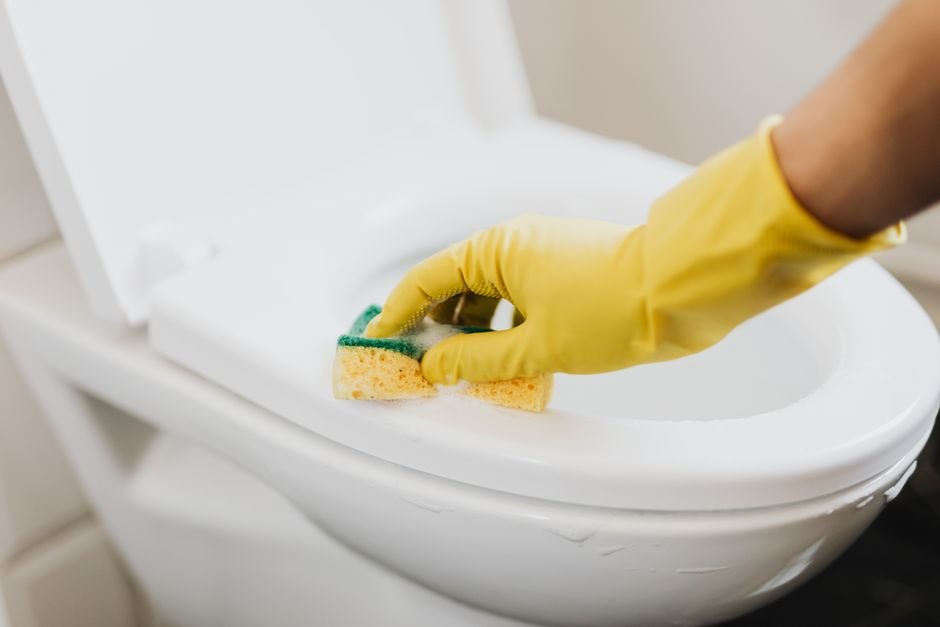
Most toilets last between 10 and 30 years, but many homeowners overlook when it's time to upgrade. If your toilet is showing signs of wear, such as frequent clogs or leaks, it's a clear indication to replace it. Keeping an outdated model can waste both water and money.
This article outlines the critical signs you should look for in your toilet, the factors that affect toilet lifespan, and whether you might be better off holding onto your current model or investing in a new one. Not only will you save on water bills in the long run, but a newer toilet will enhance bathroom aesthetics and efficiency.

Signs Your Toilet Needs Replacing
The most obvious sign that your toilet might need replacing is consistent leaks. If you find water pooling around the base or frequent clogs that require plunging, it may be time to consider a new model. I often hear people think they can simply fix leaks with new seals, but if the tank or bowl is cracked, patching isn’t going to cut it.
You’ll waste more money and water trying to fix it.
Another issue to consider is age. Toilets older than 20 years tend to be less efficient than newer models. Many older models use 3.5 to 7 gallons per flush, compared to newer, eco-friendly models that use just 1.28 gallons. The substantial difference in water usage not only impacts your water bill but also affects your household’s overall water consumption.
When Repairs Aren’t Enough
Eventually, every toilet reaches a point where repairs become more costly than replacement. If you find yourself spending money on recurring repairs, such as new flappers, fill valvesor flush mechanismsI suggest you calculate those costs against buying a new toilet. Sometimes, you’re just throwing good money after bad.
Pay attention to flushing power. If waste doesn’t clear the bowl effectively, it can lead to repeated flushes, increasing water usage. Newer toilets often come equipped with advanced flushing technologies that can handle waste more effectively, meaning fewer flushes and lower water bills.
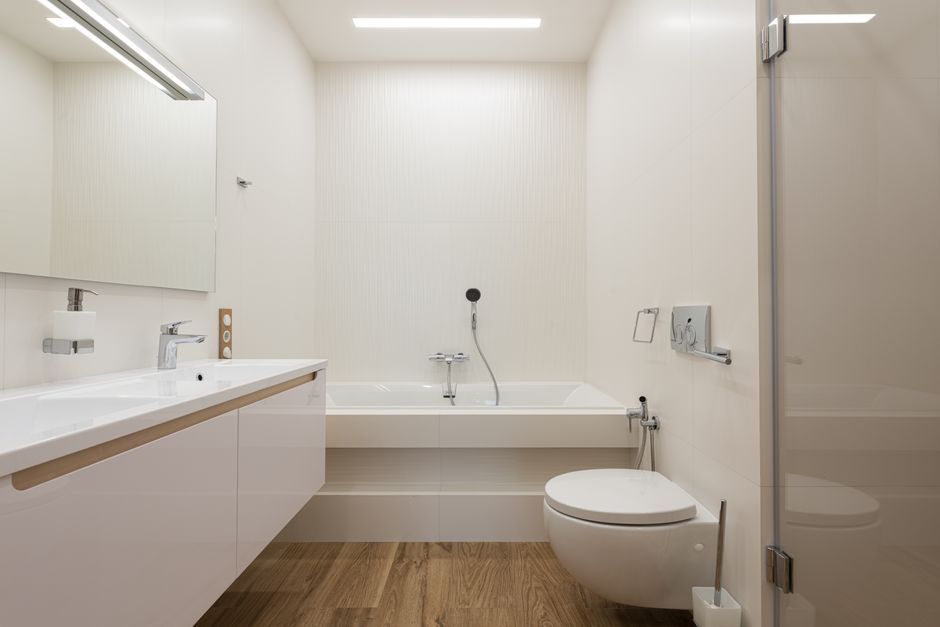
Factors Affecting Toilet Lifespan
Several factors can affect how long your toilet lasts. First is the quality of the materials used during manufacturing. A well-constructed toilet typically outlasts a cheaper counterpart. If you’ve observed cracking in ceramic or ongoing problems with the plumbing connections, the clock is ticking.
Another factor is usage. A toilet in a guest bathroom will generally last longer than one in a busy family bathroom. High-frequency use places stress on mechanisms and can wear out parts more quickly. Consider your household habits as part of your assessments.
Assessing Your Current Toilet
Before committing to a replacement, assess other aspects of your toilet. Check for any discoloration or build-up, which can indicate underlying issues. Staining might be manageable, but if it affects the integrity or usability of the toilet, it’s time for a change. Additionally, listen for constant running water or refilling noises; these are indicators of problems that could lead to a replacement.
If bathroom renovation is on your agenda, it’s an excellent time to consider your toilet as part of the overall project. Not only can a new toilet improve aesthetics, but it can also align with modern water efficiency guidelines.
If you’re also dealing with other plumbing issues, like finding out why your toilet runs constantly, I recommend referring to my guide on that topic here.
Cost Considerations
The initial investment in a new toilet might seem daunting, but consider the long-term savings. A low-flow toilet can save about 13,000 gallons of water per year for a family of four, significantly impacting your monthly water bill. In many cases, the newer models pay for themselves in water savings, not to mention any benefits from fewer repairs.
Remember, while you’re assessing costs, account for installation. Some toilets can be more complicated to install, which can lead to additional plumbing labor fees. If you’re handy, you might decide to do it yourself, but for many, the peace of mind of professional installation is worth the extra cost.
For more, read about toilet attachments.
We cover kitchen sink faucet in more depth separately.
Conclusion: It’s Time for Change
Consider replacing your toilet with a low-flow model if you want to save on your water bill and reduce environmental impact. If you have a large family, opt for a model with a higher flush capacity to handle increased usage. For older homes, a modern toilet can enhance functionality and reduce maintenance issues. Additionally, knowing how often should you replace your toilet can help inform your decision-making in the long run.