
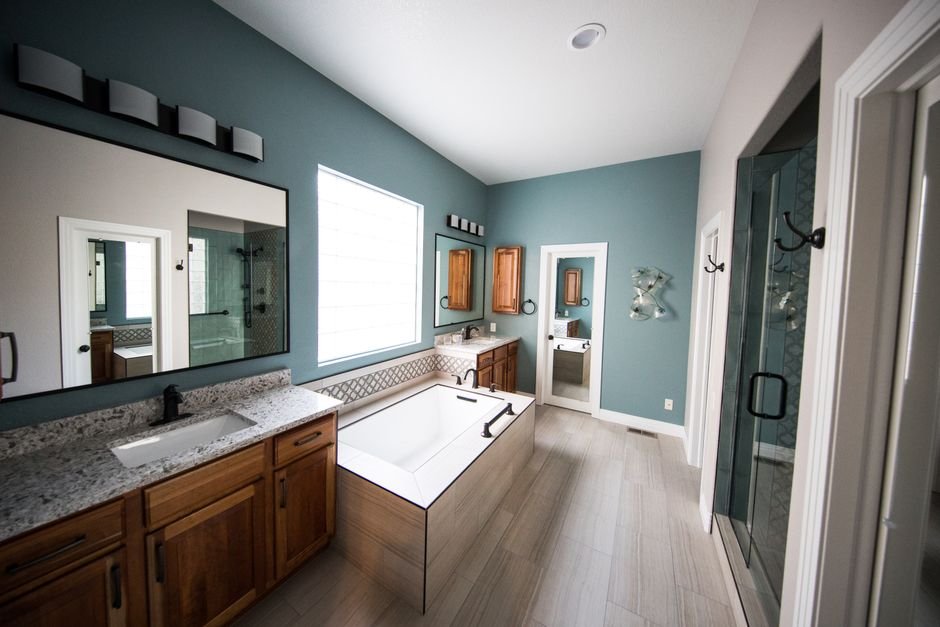
Over 60% of homeowners fail to adequately plan for the intricate details involved in a bathroom remodel, often mistaking it for a simple cosmetic update. In truth, a successful remodel requires careful budgeting, contractor selection, and a structured timeline to avoid unexpected costs and delays. Here's how to approach your bathroom remodel for a smoother experience.
Start with a clear vision for your remodeled bathroom. Even if you’re unsure about the specifics, gathering inspiration from home improvement magazines, websites, or showrooms can help clarify what you want. This is crucial because understanding your desired style will guide decisions on everything from colors to fixtures.

Assessing Your Bathroom Needs
The first step in any remodel is assessing your current bathroom’s needs. Consider what you currently like and what you absolutely detest. Take notes on issues like inadequate lighting, lack of storage, or dated fixtures. Ask yourself how you use the space, does the layout work for you? Are you looking to maximize space with storage solutions or just simply refresh the aesthetic?
Also, evaluate whether the remodel is for personal enjoyment or for resale value. If you’re planning to sell soon, focus on timeless fixtures and finishes that appeal to a broad audience. If you’re in your forever home, your personal taste can reign supreme. Identify what’s truly non-negotiable for you and prioritize those elements in your redesign.
Setting a Realistic Remodel Budget
Budgeting for remodels can be tricky; hidden costs often sneak up on you. First, determine a comfortable total that accounts for all your needs, including labor, materials, permits, and unexpected expenses. A general guideline is to allocate about 20% of your total budget for unforeseen problems. For instance, if you’re budgeting $15,000 for a remodel, setting aside an additional $3,000 for emergencies is wise.
To make budgeting easier, break down costs into categories: fixtures (toilets, sinks), materials (tiles, paint), labor, and additional costs (permits, inspections). I recommend using a spreadsheet or an app that tracks these expenses. This way, you can see where your money is going and adjust accordingly. Check out my insights on average costs of bathroom fixtures for a realistic perspective on expenses.

Creating a Remodel Timeline
A remodel timeline is your roadmap to staying organized and on track. Start by outlining key phases of the project: conception, planning, demolition, construction, and finishing touches. A typical bathroom remodel can take anywhere from a few weeks to several months, depending on the complexity.
Write down estimated timeframes for each phase, adding a buffer for any unexpected delays, like waiting for material deliveries or permitting issues. Enlisting a reliable contractor can help streamline this process, as they usually have a clearer picture of the timeline based on their experience. You’ve put all this effort into planning, so don’t let a slow timeline wreck your progress.
Finding and Hiring the Right Contractor
Finding a contractor can seem daunting, but knowing what to look for simplifies the process. Start by asking friends or family for recommendations. Checking online reviews and local trade associations can also yield solid options. When you meet potential contractors, ask about their experience with bathroom remodels and request references.
It’s also smart to compare bids, but don’t automatically choose the lowest, look for fair pricing backed by quality work.
To ensure a smooth working relationship, establish clear contracts outlining scope, timeline, and payment schedules. Communication is key, so choose someone who listens and values your input. After all, this is your bathroom, and you need to feel comfortable sharing your vision.
Choosing Design Inspiration
Picking the right design can feel overwhelming with so many choices available today. Start by narrowing down your aesthetic preferences, think modern, classic, industrial, or farmhouse. Pinterest and interior design blogs can be fantastic for gathering ideas. I personally find mood boards helpful; I’ve created several to visualize how different elements work together.
Consider practical aspects as well, like the size of your bathroom. A small bathroom may benefit from light colors and larger mirrors, giving an illusion of space. On the contrary, a larger area can handle bold colors and intricate tiles without feeling cramped.
Related reading: lighting fixtures.
Final Thoughts and Recommendations
A bathroom remodel can be a rewarding journey if you start with a well-thought-out plan. Identify your needs, set a realistic budget, and create a robust timeline. Don’t rush into hiring a contractor; take the necessary time to find the right fit, and be open to design inspiration that resonates with you.
In the end, the work you put into planning will pay off in the form of a functional and aesthetically pleasing bathroom. For additional tips on easy upgrades or trends, you might want to check out my articles on bathroom remodeling trends and easy bathroom upgrades.