
A malfunctioning shower faucet can waste an estimated 2,000 gallons of water per year, which also leads to higher utility bills. Identifying the cause of the issue, whether it's a clogged aerator or a faulty cartridge, is crucial to restoring your shower's functionality without incurring costly repairs.
First, it’s crucial to identify whether the problem lies with the faucet, water pressure, or possibly the plumbing itself. Most people tend to jump to conclusions about a broken fixture without checking for simpler solutions first. By understanding the root of the problem, you can more effectively resolve it.

Common Causes of Shower Faucet Problems
Water pressure problems rank high on the list of reasons for a malfunctioning shower faucet. Reduced water pressure can stem from a variety of sources, including clogged pipes, debris in the faucet, or even issues with the municipal water supply. If your faucet is the only source of low pressure in the house, then you should investigate the faucet itself or the associated plumbing.
Another common culprit is a malfunctioning cartridge or valve. Over time, wear and tear can affect how well these components operate, leading to leaks or inconsistent water flow. Regular maintenance and timely replacement can significantly prolong the life of your faucets.
Identifying and Fixing Water Pressure Problems
If you suspect low water pressure is affecting your shower faucet, first check other faucets in your home. If they too are experiencing low pressure, the issue likely extends beyond the shower. In that case, you may want to inspect your main water line or consult a plumber.
If it’s just the shower, check for mineral buildup. You can remove the showerhead and soak it in vinegar to dissolve any deposits. Reattach it and see if the water flow improves. In many cases, this simple cleaning can be a quick and effective fix. If you continue to experience issues, you might have to look deeper.
When to Adjust or Replace the Valve
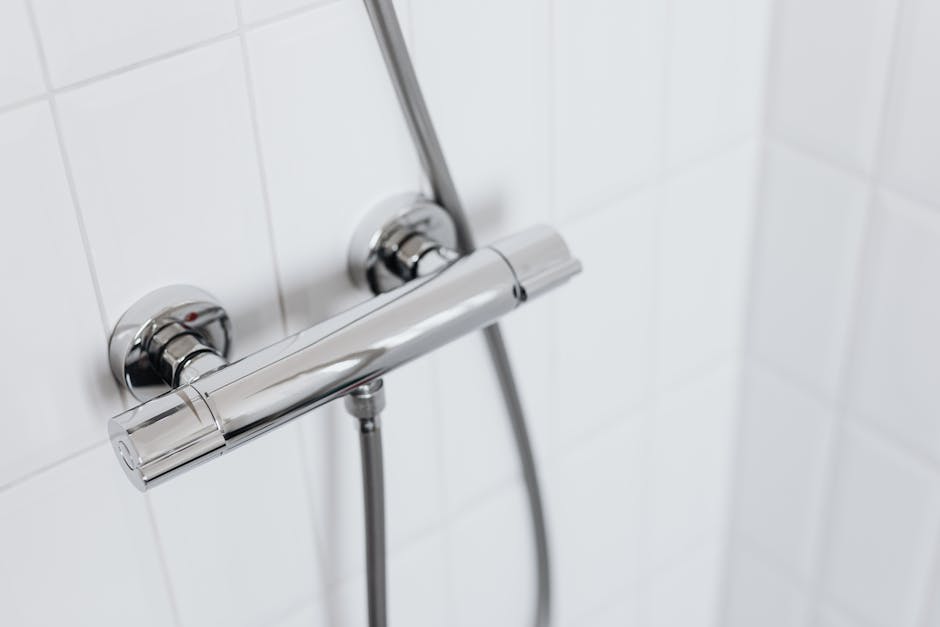
If your shower still isn’t delivering water properly, check the shower valve. Often, an adjustment to the valve can restore flow. Before diving into repairs, turn off the water supply to prevent any accidental flooding. Then, remove the handle and consult your faucet manual, as different manufacturers may have unique instructions for valve adjustment.
In cases where adjustments don’t resolve the issue, consider replacing the valve or cartridge altogether. This process can seem intimidating, but most cartridges can be replaced quickly with minimal plumbing skills. New cartridges may cost you less than $50 and can extend the lifespan of your faucet considerably.
Detecting and Fixing Leaks
A leaky faucet can not only waste water but also compound your existing issues. If you notice constant dripping or pooling around the base of your faucet, it’s not just an annoyance; it’s a sign that something needs fixing. Start with a visual inspection of gaskets and seals. Replacing these parts can sometimes solve the problem without needing a full cartridge change.
To check for leaks, turn your water on and look for water escaping from any gaps. If you see moisture around the faucet when it’s off, this indicates underlying issues. In that case, turning off the water supply and replacing worn-out washers or seals should be your next step.
Our write-up on handheld shower heads picks up where this leaves off.
We cover installation troubleshooting in more depth separately.
Final Thoughts: Don’t Underestimate Maintenance
For a lasting solution, consider replacing the faucet entirely if repairs exceed $100 or involve complicated plumbing work. This option is best suited for homeowners planning to stay in their property, while simple fixes are ideal for those looking to sell.