
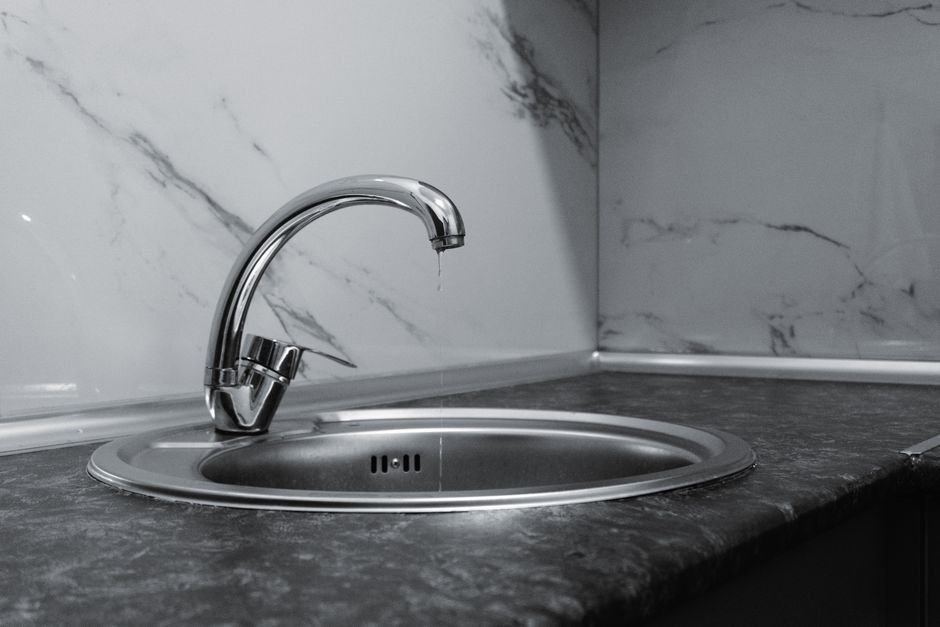
A slow kitchen faucet often results from a clogged aerator or plumbing issues. If your faucet is dribbling instead of flowing with force, it can make everyday tasks like washing dishes or filling pots a time-consuming hassle.
Many people encounter faucet issues without realizing how often simple fixes can resolve them. Sometimes the solution is as easy as removing the aerator for cleaning. Other times, it may require a more extensive look into your plumbing system. Understanding these potential issues can save you from a complicated repair process down the road.

Common Causes of Slow Faucet Flow
The first step in troubleshooting slow faucet flow is to consider common culprits. One of the most frequent offenders is the aerator. It might seem trivial, but this little attachment can accumulate mineral deposits over time, restricting water flow significantly.
The aerator is typically located at the end of the faucet spout, and unscrewing it can reveal a layer of grime that’s limiting your water pressure.
Another possibility is clogged pipes. If your home has older piping or you’ve recently experienced heavy rainfall or flooding, sediment or rust may have entered your plumbing system. Over time, this debris can build up, causing a bottleneck effect in your pipes that leads to decreased water flow.
Identifying and fixing these obstructions is crucial, especially if other faucets in your home are also running slow.
How to Diagnose Faucet Water Pressure Issues
To start diagnosing your faucet’s water pressure, you can perform a straightforward test. Fill a bucket with water and time how long it takes to reach the 1-gallon mark. A standard faucet should fill a gallon in about 30 seconds. If it takes longer than that, it’s time to investigate the problem further.
If the aerator appears clean and you’re still experiencing reduced water flow, the issue might lie deeper in your plumbing system. Inspect the water supply lines and valves that lead to the faucet. Often, debris collects in the supply line strainer, causing blockages. A thorough check can guide you to the specific problem, minimizing guesswork.

Solutions to Restore Faucet Water Flow
Once you’ve identified the problem likely affecting your faucet, it’s time to take action. If the aerator is the culprit, remove it and soak it in a vinegar solution to dissolve any mineral build-up. After soaking, scrub any remaining debris gently with an old toothbrush before rinsing well and reattaching it.
This can often restore your faucet’s functionality without needing to call a plumber.
If drainage issues are related to pipe blockages, consider using a plumbing snake or a high-pressure water jet to clear out the gunk. If you’re not comfortable with these tools, reaching out to a plumbing professional is a prudent choice. It’s worth investing in a good plumber to avoid further damage to your plumbing system.
When to Call a Professional
While DIY fixes can often save time and money, some situations warrant professional help. If you’ve cleared the aerator and checked for obstructions but still experience slow water flow, don’t hesitate to reach out to a plumber. Likewise, persistent water pressure issues across multiple faucets might indicate a larger issue with your home’s plumbing system, possibly requiring extensive repairs or updates.
Don’t wait until the problem escalates, causing leaks or potential water damage in your kitchen. Investing in professional help can save you from costlier repairs and ensure that your plumbing is functioning optimally.
Preventive Measures for Future Issues
To avoid future frustrations with slow kitchen faucets, regular maintenance is essential. Clean or replace your faucet aerator every six months. Consider installing a whole-house water filter as these can help reduce mineral deposits building up in your plumbing. Furthermore, if you live in an area with hard water, consider a water softener to mitigate the problem long-term.
Checking your home’s pipes regularly for signs of rust or corrosion can also help you catch issues before they become significant. Addressing leaking faucets or slowly running taps can save you time, energy, and possibly expensive repairs down the road.
Verdict: Your Path to a Healthier Faucet
The quickest solution is to clean or replace the aerator, which is suitable for anyone handy with tools. If that doesn’t resolve the issue, inspecting the plumbing for deeper clogs is advisable, and hiring a plumber is best for complex problems. For more insights on why does my kitchen faucet run slow, check out this PDF document.
Worth reading alongside this: arbor kitchen.
Related reading: replace a bathroom faucet.