
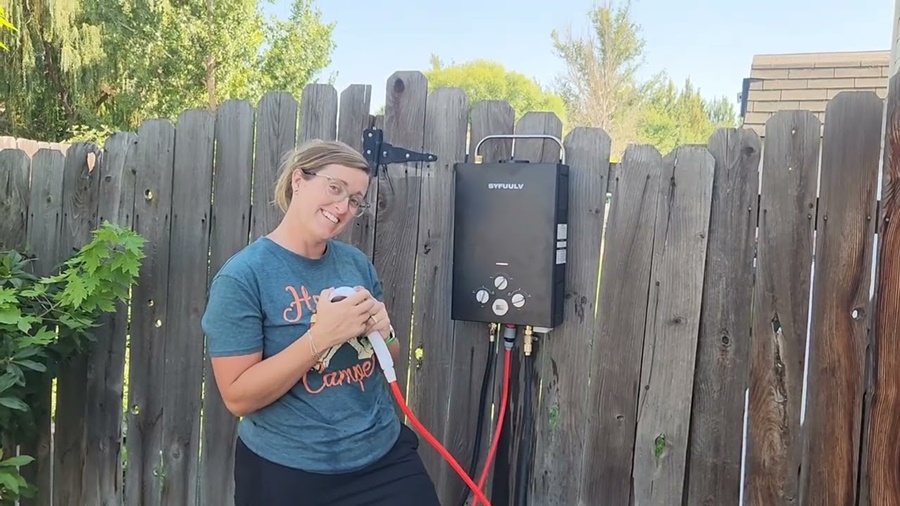
Choosing the right water heater is an important decision for homeowners. Among the most popular options are propane and natural gas water heaters. Both provide efficient and reliable hot water, but they differ in fuel source, operating costs, installation requirements, availability, and overall performance. Understanding these differences can help homeowners select the best option for their specific needs.

What Is a Propane Water Heater?
A propane water heater uses propane gas as its fuel source. Propane is stored in a tank located on the property and is delivered by fuel suppliers when needed. These water heaters are commonly used in rural areas where natural gas lines are unavailable.
Propane burns cleanly and produces a high amount of energy, making it an efficient choice for heating water. Because the fuel is stored on-site, homeowners maintain a degree of independence from utility infrastructure.
What Is a Natural Gas Water Heater?
A natural gas water heater uses natural gas supplied through underground utility pipelines. The gas is delivered continuously by a local utility company, eliminating the need for fuel storage tanks.
Natural gas water heaters are widely used in urban and suburban areas where gas utility lines are readily available. They offer a convenient and dependable hot water solution for many households.
Key Differences Between Propane and Natural Gas Water Heaters
1. Fuel Availability
The most significant difference is fuel availability.
Propane Water Heater:
- Requires a propane storage tank.
- Suitable for rural and off-grid locations.
- Fuel must be replenished periodically.
Natural Gas Water Heater:
- Connected directly to a natural gas utility line.
- Continuous fuel supply.
- Best suited for areas with gas infrastructure.
If natural gas service is unavailable in your area, propane may be the only gas-powered option.
2. Energy Efficiency
Both propane and natural gas water heaters can achieve high efficiency ratings, especially modern tankless models.
However, propane contains more energy per unit of fuel than natural gas. This means propane water heaters often heat water faster and may perform better in high-demand situations.
Propane can generate approximately 2,500 BTUs per cubic foot, while natural gas produces about 1,000 BTUs per cubic foot. As a result, propane appliances often provide stronger heating performance.
3. Operating Costs
Operating costs depend on local fuel prices and usage patterns.
Natural Gas Advantages:
- Typically costs less per unit of energy.
- Lower monthly operating expenses in many regions.
- Widely considered the more economical option for long-term use.
Propane Advantages:
- Higher energy content.
- Greater heating power.
- Can be cost-effective in areas where propane prices are competitive.
Although propane burns hotter, natural gas is generally less expensive, making it the more budget-friendly choice for many homeowners.
4. Installation Requirements
Installation requirements vary significantly.
Propane Water Heater Installation:
- Requires a propane storage tank.
- May need additional safety clearances.
- Fuel delivery arrangements must be established.
Natural Gas Water Heater Installation:
- Requires access to a natural gas utility connection.
- No fuel storage tank needed.
- Simpler fuel supply management.
If a natural gas line already exists, installation is often easier and less expensive than setting up a propane system.
5. Environmental Impact
Both propane and natural gas are considered cleaner-burning fuels compared to oil or coal.
Natural Gas:
- Produces fewer carbon emissions per unit of energy.
- Generally regarded as slightly more environmentally friendly.
Propane:
- Burns cleanly with low particulate emissions.
- Considered a low-carbon alternative fuel.
While neither fuel is completely emission-free, both are cleaner options than many traditional energy sources.
6. Reliability
Reliability is another important factor.
Propane Water Heater:
- Continues operating as long as fuel remains in the storage tank.
- Less dependent on utility infrastructure.
- Useful during natural gas service disruptions.
Natural Gas Water Heater:
- Receives a constant fuel supply from the utility company.
- No need to monitor fuel levels.
- Dependent on the local gas distribution network.
For remote locations, propane often provides greater independence and flexibility.
Advantages of Propane Water Heaters
- High heating efficiency.
- Faster water heating performance.
- Suitable for rural and off-grid homes.
- Independent fuel storage.
- Clean-burning fuel source.
Disadvantages of Propane Water Heaters
- Requires fuel deliveries.
- Higher fuel costs in many areas.
- Additional storage tank requirements.
- Potential price fluctuations.
Advantages of Natural Gas Water Heaters
- Lower operating costs.
- Continuous fuel supply.
- No on-site fuel storage needed.
- Widely available in urban areas.
- Convenient and easy to manage.
Disadvantages of Natural Gas Water Heaters
- Limited to areas with gas utility service.
- Dependent on local infrastructure.
- Installation can be costly if a gas line is not already available.

Which Option Is Best?
The best choice depends on your location, budget, and energy needs.
Choose a propane water heater if:
- You live in a rural area without natural gas service.
- You want strong heating performance.
- You prefer fuel independence.
Choose a natural gas water heater if:
- Natural gas service is available.
- You want lower long-term operating costs.
- You prefer a continuous fuel supply without tank refills.
Conclusion
Both propane and natural gas water heaters offer reliable and efficient hot water solutions. Propane provides higher heating power and greater flexibility in areas without utility gas service, while natural gas typically offers lower operating costs and greater convenience. Before making a decision, homeowners should consider local fuel availability, installation costs, energy prices, and household hot water demand.
By evaluating these factors carefully, you can select the water heater that delivers the best value and performance for your home.